
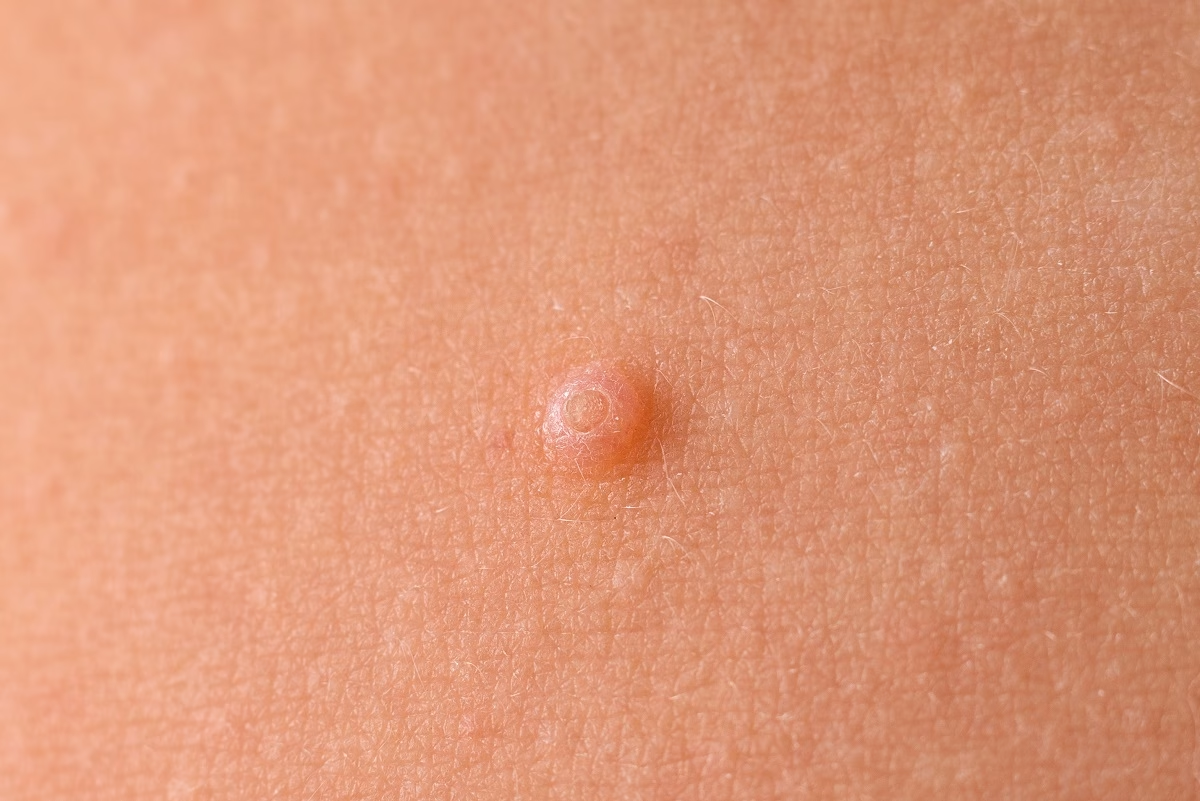
A viral skin infection that often causes one or multiple raised bumps on the skin is called molluscum contagiosum. While some people may have these papules (raised bumps on the skin) for months, sometimes they can persist for years. Moreover, molluscum contagiosum easily spreads to other people. Sometimes, this condition may go away on its own, but some people may need treatment to prevent serious complications.
In other words, molluscum contagiosum is an infection caused by a virus. It causes small, raised bumps on the skin that may look like a pearl. Furthermore, they may also have natural skin tone, but in some people, these bumps may have different colors, from pink to purple. While this condition may affect any part of the body, it mostly occurs on the face, neck, arms, legs, or genitals.
Generally, molluscum contagiosum is a common condition. However, it is difficult to estimate how many people have it because most of them disappear without treatment.
How Does Molluscum Contagiosum Affect My Body?
There is a virus called poxvirus that easily spreads from one person to another and causes molluscum contagiosum. Usually, it begins with a single bump on the skin, but it may spread and increase in number and cause itching. In more severe cases, these bumps are sore, swollen, and itchy. In any case, molluscum contagiosum disappears without treatment within 6 to 12 months and commonly does not leave scars.
Symptoms
Commonly, people who develop this viral infection experience the following symptoms. Check some examples below:
- White papules with an indent (dimple) in the center
- Itching
- Firm papules that can become soft over time
- Sometimes, papules can drain a clear to white fluid
- Certain pimple-like bumps, lesions, or warts on the skin (they are about 2 to 5 millimeters)
People who scratch these papules may experience additional symptoms. For example:
- Multiple papules that sometimes can form a cluster or line (crops or rash) near the affected area
- Inflammation of the skin around these papules
- Pain
If you experience any of the previous symptoms without an obvious reason, do not hesitate to see a doctor for a diagnosis. In addition, people who already have AIDS or eczema may develop a more serious form of the disease. For instance, giant molluscum contagiosum that causes papules larger than 5 millimeters.
In most cases, papules appear on the face (including eyelids and lips), neck, arms and legs, genitals (including the vagina, penis, and vulva), inner thighs, and abdomen (belly).
Causes and Risk Factors
This is a viral infection, which means it is caused by a virus that belongs to the poxvirus family. When it enters the body, people often experience certain papules (bumps) or spots on the skin. It is very important to avoid scratching them because they may spread to other parts of the body. Furthermore, there are some factors that may put you at increased risk of developing molluscum contagiosum. These include:
- Age – While it may occur at any age, it usually affects children under 10 years.
- Weakened immune system – Your immune system can be compromised due to certain health conditions and medicines. These include immunosuppressants, HIV infection, cancer, and others.
- Environmental factors – For example, live or work in a warm and humid climate, live or travel in crowded places, and others.
Is Molluscum Contagiosum Contagious?
This infection is very contagious, which means it easily spreads from one person to another. Check below some ways in which the virus that causes molluscum contagiosum spreads:
- Close contact with an infected person
- Touching contaminated surfaces or objects (such as towels, toys, or clothing) and then your mouth, eyes, or nose.
- Sexual contact
Unfortunately, there is no evidence about the exact time when you are contagious. However, some experts believe that a person is contagious until he/she no longer have symptoms. For more details, discuss it with your doctor.
What Are The Possible Complications of Molluscum Contagiosum?
People who develop this viral infection may also experience some complications. Check some of them below:
- Secondary bacterial infections – This is one of the most common complications of molluscum contagiosum.
- Scarring – Usually, when papules disappear on their own, they can leave small scars as they heal, but if you are using aggressive removal techniques, it may lead to more serious scars.
- Eye involvement – Sometimes, lesions on the eyelids may cause conjunctivitis (pink eye) or keratitis (corneal inflammation), which eventually leads to eye pain and increased sensitivity to light.
- Chronic (long-term) eczema – Some people may develop a secondary eczematous rash around the papules. It is also called molluscum dermatitis.
- Psychosocial distress – If these papules are visible, they can cause emotional distress, especially in children.
This article does not contain a full list of molluscum contagiosum complications, but you can talk with your doctor about measures to reduce the risk or even prevent them.
How to Prevent Molluscum Contagiosum?
While it is not always possible to prevent this viral infection, physicians often recommend the following tips to reduce the risk. Examples include:
- Get treatment for underlying conditions (such as eczema)
- Avoid direct contact with a person who has skin lesions
- Avoid sharing your items (including clothing, towels, and others)
- Regularly disinfect surfaces and objects
- Practice safe sex – Doctors may also recommend using condoms or dental dams during sexual intercourse to prevent the spread of the virus. It also helps prevent other sexually transmitted infections (STIs).
Diagnosis
Physicians often start the diagnosis with a physical examination in which they will check for irregularities linked to the disease. They may also ask some questions about your symptoms and medical history to gather more information about your disease. However, to confirm or rule out this condition, doctors often perform a skin biopsy. During this test, they will take a sample of the papules to test them under a microscope.
Treatment
While adults do not always need treatment, doctors may recommend some options for children who develop molluscum contagiosum. Examples include:
- Papule removal – To remove these bumps on the skin, physicians may use several procedures. These include cryotherapy (freezing the papules), curettage (scraping out the papule), or laser therapy. Never try to remove papules on your own because it may lead to unpleasant outcomes.
- Medicines – One of the most common medicines prescribed by doctors for people with this viral infection is Cimetidine.
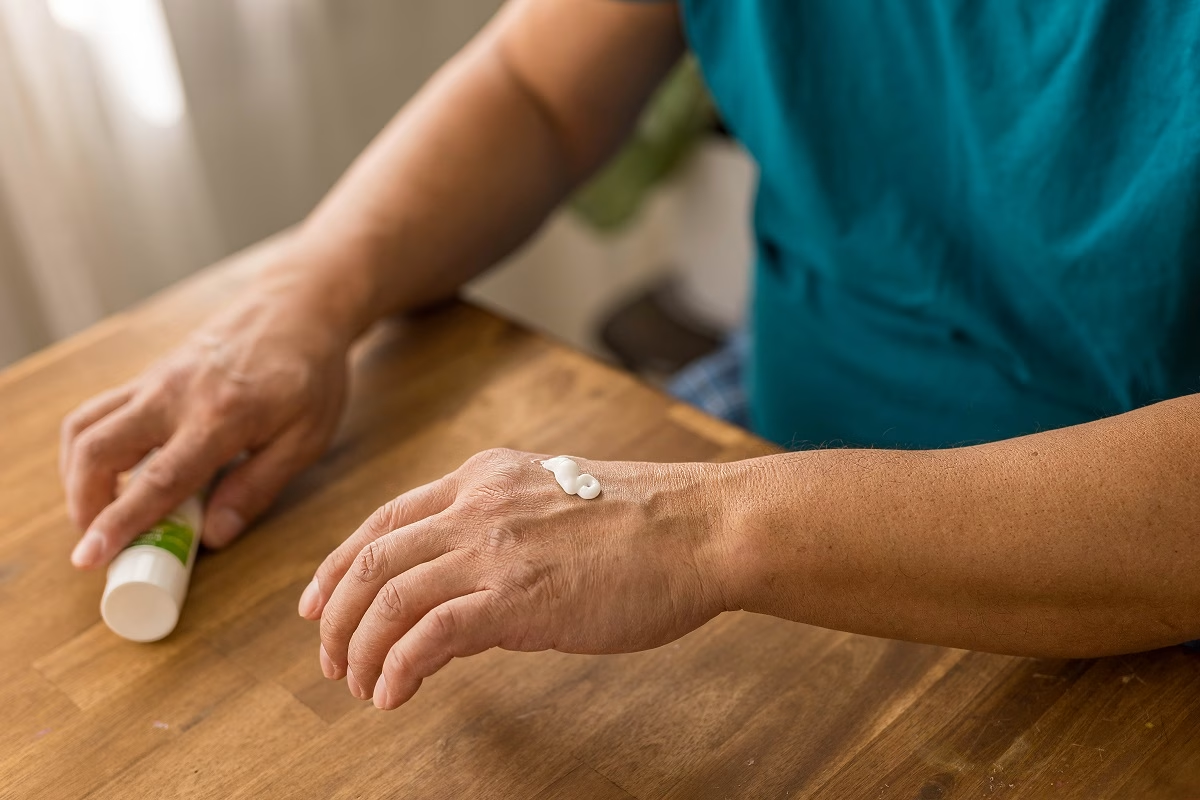
- Topical creams and ointments – Sometimes, children need topical medicines that help improve recovery time and ease the symptoms. Physicians often recommend creams and ointments that contain Podophyllum, Potassium hydroxide, Salicylic acid, Benzoyl peroxide, or Tretinoin.
Frequently Asked Questions
How soon after treatment will I feel better?
People who do not get treatment may get rid of papules within 6 to 12 months. Sometimes, these papules can be present even after years. However, there are some options that may improve recovery time and relieve symptoms.
Are there complications of the treatment?
While the primary complication of molluscum contagiousm treatments is scarring, it may also cause other adverse reactions. Inform your physician about any changes you notice.
Is molluscum contagiosum sexually transmitted?
Yes, this viral infection may spread through sexual intercourse. Moreover, it is considered a sexually transmitted infection (STI). That’s why doctors may recommend using condoms or dental dams to prevent the spread of the virus. If you have any other questions, ask your healthcare provider.