
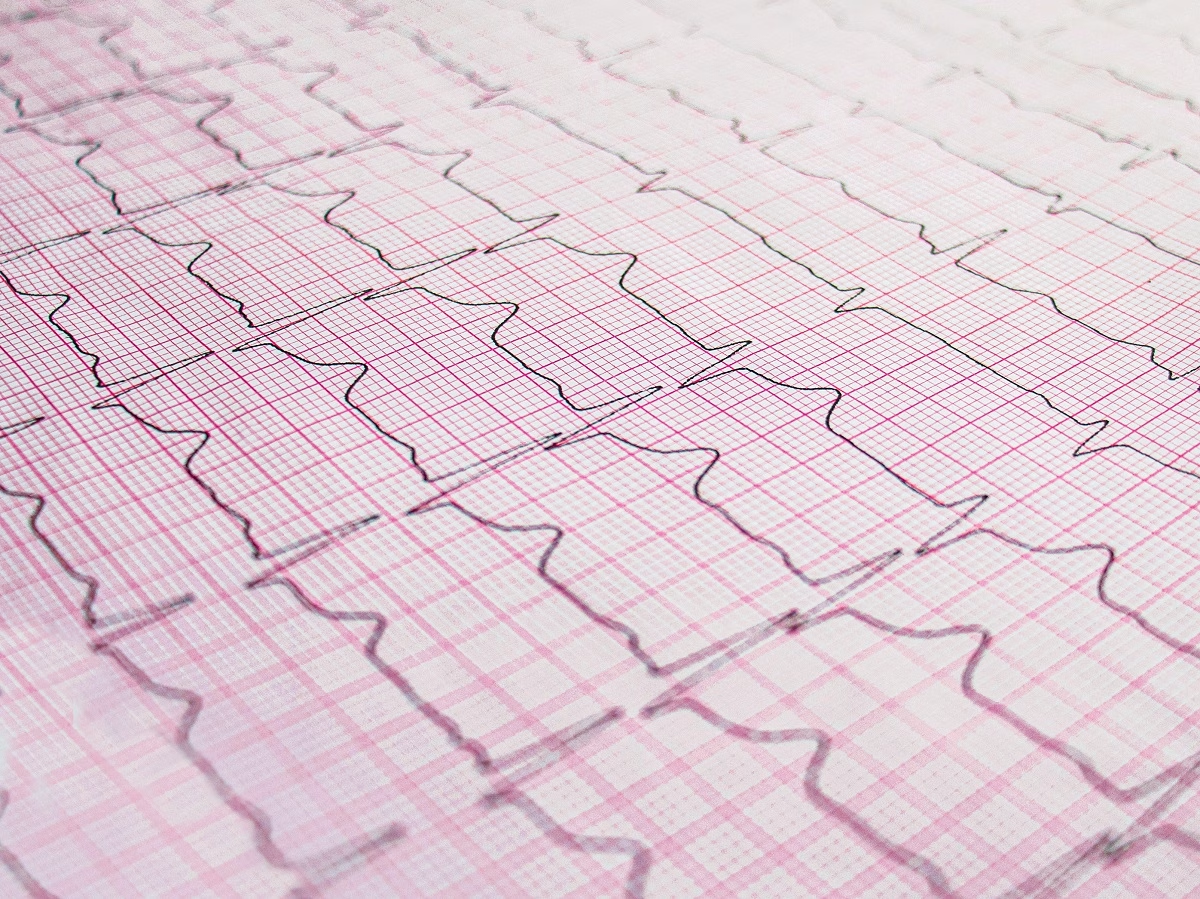
A health condition that causes irregular heart rhythms, which is often caused by the heart’s electrical system malfunctions, is called monomorphic ventricular tachycardia (MVT). In general, MVT is a type of arrhythmia, and without treatment, it can be dangerous.
In other words, MVT is a form of irregular heart rhythm that occurs when the lower chambers of the heart (ventricles) beat at a dangerously fast pace. Furthermore, this condition may easily turn into ventricular fibrillation, which is often a deadly form of arrhythmia. Immediately call 911 or go to the nearest room if you are with someone who passes out or has no pulse. Without immediate CPR and an automated external defibrillator (AED), this condition is fatal.
Generally, MVT causes about 300,000 deaths in the U.S. each year.
Subtypes of Monomorphic Ventricular Tachycardia
Doctors have divided this disorder into 2 categories. For example:
- Non-sustained – This form of MVT happens only for more than 3 heartbeats but in a row that lasts less than 30 seconds. Sometimes, it may happen repeatedly, or it may come and go. That’s why non-sustained MVT is often difficult to diagnose.
- Sustained – In such cases, the symptoms occur for more than 30 seconds, but with treatment, it returns to a normal heart rhythm.
How Does Monomorphic Ventricular Tachycardia Affect My Body?
This is a specific type of arrhythmia that occurs when there is a problem in the heart’s electrical system. It causes the lower heart’s chambers to beat too fast. As a result, there is not enough time to fill up with blood before they have to squeeze. Furthermore, MVT may also cause the ventricles to squeeze improperly, which also affects the synchronization of the upper heart’s chambers (atria).
Without immediate medical care, MVT may turn into ventricular fibrillation, which is a more serious heart disease. It also affects the ventricles, but it is more severe. As a result, it can easily cause sudden cardiac arrest or cardiogenic shock. It is very important to understand that cardiac arrest may lead to death in minutes. If you notice that someone near you is experiencing symptoms that resemble ventricular fibrillation, immediately start CPR.
What Does The Condition’s Name Mean?
The name of this condition contains several terms and meanings. For example:
- Mono- (one)
- -morphic (shape)
- Ventricular (these are the lower chambers of the heart)
- Tachy- (fast)
- -cardia (heart)
Generally, healthcare professionals use these medical terms to describe the heart’s ventricles that beat too fast. Furthermore, approximately 70% of all diagnosed ventricular tachycardia are MVT. Most of the time, doctors diagnose this condition by performing an electrocardiogram (ECG or EKG). This is a painless, quick test that helps doctors measure the electrical activity of the heart.
Symptoms
While most of the people with MVT do not have symptoms (especially with the non-sustained type), others may experience the following symptoms. Check the most common symptoms of MVT below:
- Fast heartbeats (or no pulse) – In most cases, the heart rate of people with MVT is about 140 to 180 beats per minute, which often causes symptoms. A lack of pulse often means you are in cardiac arrest.
- Heart palpitations – This is an unpleasant sensation that occurs in the heart without feeling your pulse. Sometimes, it may feel like the heart is pounding, skipping, fluttering, or racing.
- Angina (heart-related chest pain) – Usually, this is a medical emergency that requires immediate treatment. It often occurs due to reduced or a lack of blood flow to the heart muscle.
- Dizziness and lightheadedness – It occurs due to reduced levels of oxygen in the blood.
- Syncope (also known as fainting or passing out) – This is a severe form of dizziness.
- Dyspnea (shortness of breath) – Decreased blood flow also reduces the amount of fresh oxygen in the body.
Causes
Commonly, people develop MVT due to the following reasons. Examples include:
- Ischemic heart disease – This is a lack of blood flow to the heart. It may negatively affect the electrical system of the heart muscle and eventually cause MVT.
- Cardiomyopathy – This is another heart disease that causes weakness and scarring of the heart tissue. As a result, it may also lead to abnormal electrical circuits in the heart.
- Pre-existing arrhythmia – In general, any type of arrhythmia is a dangerous condition because it causes irregular heart rhythm. Sometimes, people are born with a type of this condition (such as Brugada syndrome).
- Structural heart problems – Typically, the electrical system of the heart depends on the heart’s shape. If a person has structural differences in the heart muscle, it may lead to abnormal electrical current. Most of the time, structural heart issues are hereditary, which means they pass from the biological parents to their children during pregnancy.
- Electrolyte imbalance – It often occurs when the body removes too many minerals required for normal heart function.
- Myocarditis – This is a condition that causes inflammation of the heart. There are multiple reasons for myocarditis, including infections.
- Other disorders – The following health conditions may also cause MVT. These include rheumatoid arthritis, lupus, cardiac amyloidosis, and others.
Risk Factors
While anyone may develop MVT, the following factors could increase your risk even more. Check some examples below:
- Sex – MVT is slightly more common in men than women.
- Age – While it may occur in adults, it mostly affects older adults, especially those who already have heart disease.
- Structural heart disease
- Certain inherited disorders – For example, Brugada syndrome, arrhythmogenic right ventricular cardiomyopathy, and others.
Is There a Way to Prevent Monomorphic Ventricular Tachycardia?
Unfortunately, in most cases, this condition occurs spontaneously. It means there is no way to prevent it. However, you can take some steps to reduce the risk. For example, stop smoking, limit or avoid alcoholic drinks, make dietary changes, regular physical exercise, and do not use recreational drugs (such as methamphetamine or cocaine). You should also get treatment for underlying conditions. For more details, discuss it with your doctor.
Diagnosis
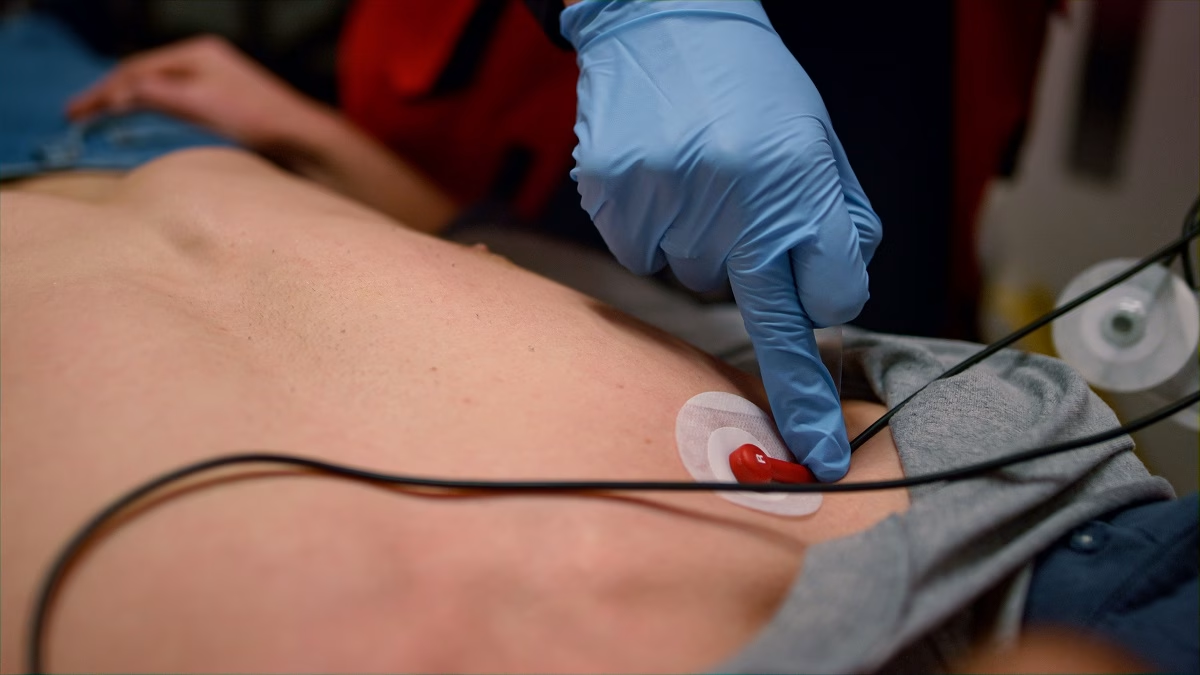
In most cases, doctors diagnose MVT in a hospital. They often use an electrocardiogram because this is the only way to diagnose this type of arrhythmia. However, people with non-sustained MVT may need ambulatory monitors. These are specific devices that record an EKG reading over a long time.
Treatment
In most cases, people with non-sustained MVT do not need treatment because they do not have symptoms. However, doctors often recommend being cautious and watching for symptoms that may cause problems. Moreover, for people with a sustained type of MVT, treatment is required because it may lead to cardiac arrest. Thus, doctors often recommend medicines and surgery to treat this dangerous type of MVT. Check the most common treatment options below:
- Medicines – People with sustained MVT or ventricular fibrillation almost always need anti-arrhythmia medicines to reduce the risk of life-threatening complications. Doctors may also prescribe some additional medications to return the normal heart rhythm.
- Electric defibrillation – This test uses an electric current to treat irregular heart rhythm.
- Chest compressions – These involve specific techniques used in CPR.
- Oxygen, intubation, and ventilation – About all people with MVT need additional oxygen that is often delivered through a tube under the nose. It helps reduce strain on the heart and return the normal rhythm of the heart.
- Implantable cardioverter-defibrillators – These are specific devices used to deliver mild electrical impulses to the heart to restore the normal rhythm of the heart. Most of the time, it is used in people with arrhythmia.
- Ablation – During this procedure, doctors will create scar tissue on the heart to break circuits that cause MVT. This treatment often occurs either as a surgery or a catheter-based procedure.
Frequently Asked Questions
What is the difference between monomorphic ventricular tachycardia and polymorphic ventricular tachycardia?
While these disorders have similar features, there is a difference between them. For instance, polymorphic ventricular tachycardia causes much more unstable heartbeats compared to monomorphic ventricular tachycardia.
Is monomorphic ventricular tachycardia contagious?
This health condition is not contagious, which means it cannot spread from one person to another. However, there are some disorders that may be passed from the biological parents to their children. Certain infections that cause MVT can be contagious.
When should I go to the ER?
If you or a loved one experiences any of the following symptoms, call 911 or go to the nearest emergency room (ER). Without immediate treatment, MVT may lead to death. Check some examples below:
- Angina
- Dyspnea
- Dizziness
- Passing out
- Heart palpitations
How serious is ventricular tachycardia?
This is a dangerous condition because it causes a very fast heart rhythm, which prevents the heart from getting enough blood. Usually, it causes dizziness, passing out, heart failure, and, in more severe cases, sudden cardiac death, especially in people with sustained MVT. If you have any other questions, ask your healthcare provider.