
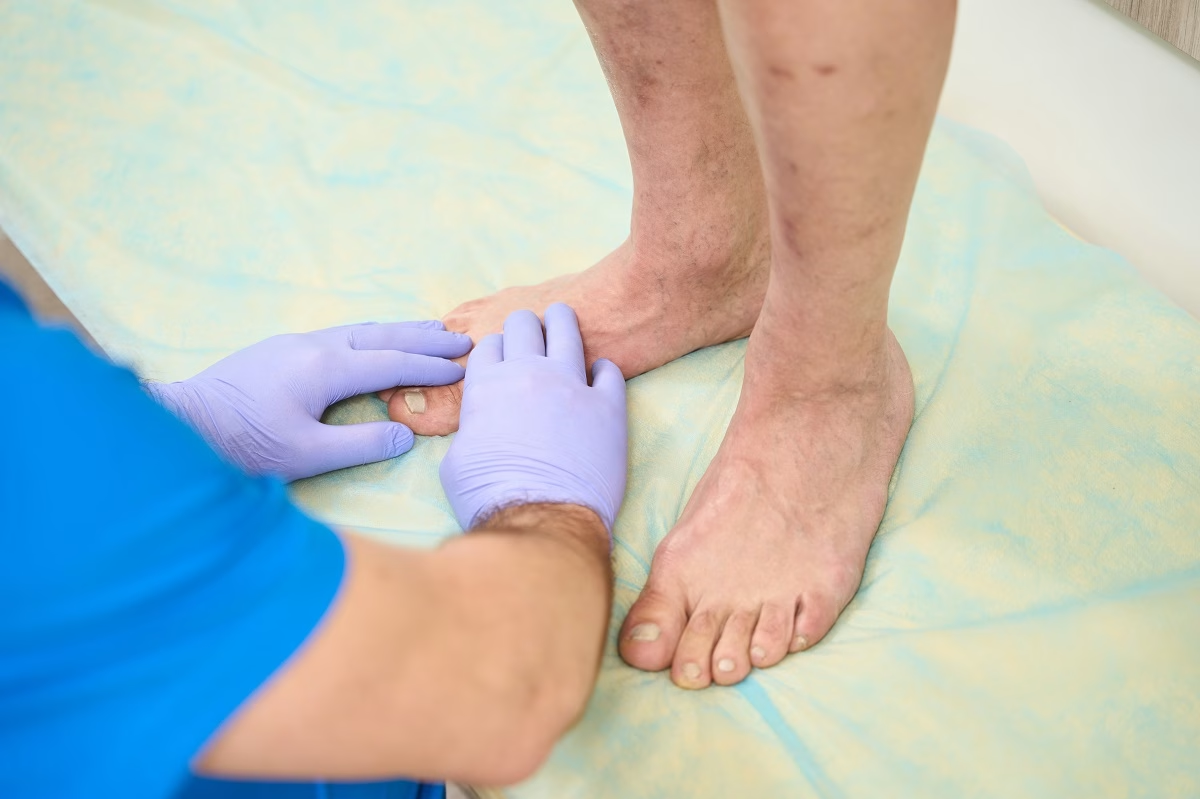
A health condition that causes damage to a single peripheral nerve is called mononeuropathy. Usually, it causes the following symptoms. For example, numbness, muscle weakness, and pain. Mostly, physicians prescribe different treatments for people with this condition because they depend on several factors. These include the underlying cause, the affected nerve, existing health conditions, the severity of mononeuropathy, age, gender, and preferences.
In other words, mononeuropathy is a disorder that causes damage to a single nerve. Furthermore, it is a type of peripheral neuropathy that occurs when certain nerves that send signals between the brain and the rest of the body are affected. Usually, people develop mononeuropathy due to prolonged pressure on a nerve. It may also happen due to inflammation or injuries. In addition, damage often occurs to the protective covering of a nerve (myelin sheath) or to a part of the nerve cell (axon). As a result, the signals that travel through it can be reduced.
Types of Mononeuropathy
In general, there are multiple types of this condition. While it may occur in any part of the body, people often experience it in the nerves that run close to the skin or near a bone. Check some types of mononeuropathy below:
- Carpal tunnel syndrome – This type negatively affects the nerve located in the wrist.
- Sciatica – In such cases, mononeuropathy affects the sciatic nerve that normally goes through the pelvic area down to the legs.
- Ulnar nerve entrapment – This type impacts the ulnar nerve that is located in the elbow.
- Radial tunnel syndrome – It often occurs due to damage to the radial nerve in the upper arm.
- Damage to the peroneal nerve that is located below the knee
- Axillary nerve damage in the shoulder
- Damaged lateral femoral cutaneous nerve that is located in the thigh
Moreover, there is a type that causes damage to the ulnar nerve in the arm. The disorder is called cubital tunnel syndrome, but it is also known as ulnar nerve entrapment and Guyon’s canal syndrome.
In addition, there is another group of mononeuropathies that negatively affect the cranial nerves (cranial mononeuropathies). It negatively affects the 12 cranial nerves that are connected to the brain or brainstem. One type of cranial mononeuropathy is Bell’s palsy, which impacts the facial nerve (the seventh cranial nerve). In rare cases, a person can develop multiple mononeuropathies in different parts of the body. It means damage occurs to multiple peripheral nerves at the same time. Check the most common types of mononeuropathy in the U.S.:
- Sciatica negatively affects approximately 40% of people at some point in their lives.
- Bell’s palsy affects about 1 in 60 people
- Carpal tunnel syndrome affects roughly 3 out of 1,000 people
Symptoms
Mononeuropathy causes different symptoms that can range from mild to severe, depending on the affected nerve. Check the most common symptoms of this type of peripheral neuropathy below:
- Numbness or tingling in the affected area
- Pain
- A burning sensation
- A feeling of pins and needles
- Muscle weakness near the affected nerve (in more severe cases, it may lead to muscle atrophy)
If you experience any of the symptoms listed above, immediately contact your healthcare professional. Without treatment, this condition may lead to serious complications.
Causes
There are multiple causes of mononeuropathy, such as injuries, nerve compression, and other health conditions. Check some of them below:
Injuries
Most people develop mononeuropathy due to direct injury to a peripheral nerve. It often occurs through:
- Overextension of a joint
- Repetitive strain injuries (repetitive motions)
- Forceful muscle contractions
- Bone fractures
- Trauma to a nerve, such as from surgery or a knife wound
- Cancer treatments (for example, some people may develop mononeuropathy after radiation therapy used to treat cancer)
Nerve Compression
There are some situations and conditions that may also cause mononeuropathy. These include:
- Tumors
- Edema
- Poorly-fitted cast
- The use of crutches
- Having cramped postures for a long time (such as while you are gardening)
- Being confined to a bed or a single position
Diseases
The following health conditions may cause multiple mononeuropathies at the same time. Check some examples below:
- Diabetes
- Autoimmune and inflammatory disorders (such as rheumatoid arthritis and lupus)
- Infections (including HIV infections and shingles)
- Nutrient or vitamin deficiencies
- Alcohol use disorder
Risk Factors
While anyone may develop mononeuropathy, there are some factors that could increase your risk even more. For example:
- Hyperglycemia
- Lyme disease
- Diphtheria
- Obesity (excessive body weight)
- Smoking
- Prolonged exposure to certain chemicals and toxins (including heavy metals and industrial chemicals)
- Structural problems
What Happens if Mononeuropathy is Left Untreated?
People who ignore the symptoms and do not get treatment may experience the following complications. These include:
- Musculoskeletal and motor damage (including permanent weakness, paralysis, and others)
- Infections
- Sensory and skin problems – For example, chronic (long-term), severe pain, permanent numbness, increased risk of injuries (such as burns and wounds), and others.
- Balance issues
- Functional limitations, including a loss of fine motor skills
- Vision changes (such as double vision)
If any of the previous complications occur, immediately seek medical help. Additionally, there is no way to prevent mononeuropathy because it occurs unpredictably. However, you can take some steps to reduce the risk. For example, quit smoking, limit or avoid alcoholic drinks, regularly perform physical exercise to maintain a healthy weight, make dietary changes, manage chronic health conditions (including hypertension and hyperlipidemia), and others. Discuss it with your doctor for more details.
Diagnosis
Most of the time, the mononeuropathy diagnosis begins with a physical and neurological examination and questions about your symptoms and medical history. In any case, to confirm or exclude this disease, doctors will perform the following tests. These include:
- Electromyography (EMG)
- Nerve conduction study
- Blood tests
- Imaging tests – The following tests are often done to get detailed images of different structures and organs in the body. In most cases, doctors perform ultrasounds, CT (computerized tomography) scans, and MRI (magnetic resonance imaging) scans.

Treatment
The treatment is often based on several factors. For example, the severity and type of mononeuropathy, overall health, gender, age, and preferences. Check below for the most common options used to treat this type of peripheral neuropathy:
- Conservative treatment (including rest, over-the-counter pain relievers, and others)
- Splints to immobilize the affected area
- Steroid injections
- Physical therapy
- Treatment for the underlying disorder
- Surgery – This treatment is often recommended by doctors when the previous options do not work
Frequently Asked Questions
What is the difference between mononeuropathy and polyneuropathy?
While mononeuropathy causes damage to a single peripheral nerve, people who develop polyneuropathy often experience damage to multiple nerves throughout the body at the same time. One example of polyneuropathy is Guillain-Barré syndrome.
What is the prognosis for someone with mononeuropathy?
In general, the outlook for people with mononeuropathy varies because it depends on a few factors. Examples include the type of nerve that is affected, the underlying cause, your response to treatment, and overall health. For more details, discuss it with your physician.
What is the most common cause of mononeuropathy?
While most people develop mononeuropathy due to injuries, it may also happen due to other causes. For example, systemic disorders, long-term (chronic) pressure on a nerve caused by swelling or trauma, certain types of cancer, autoimmune disorders (such as lupus), and others. If you have any other questions, ask your healthcare provider.