
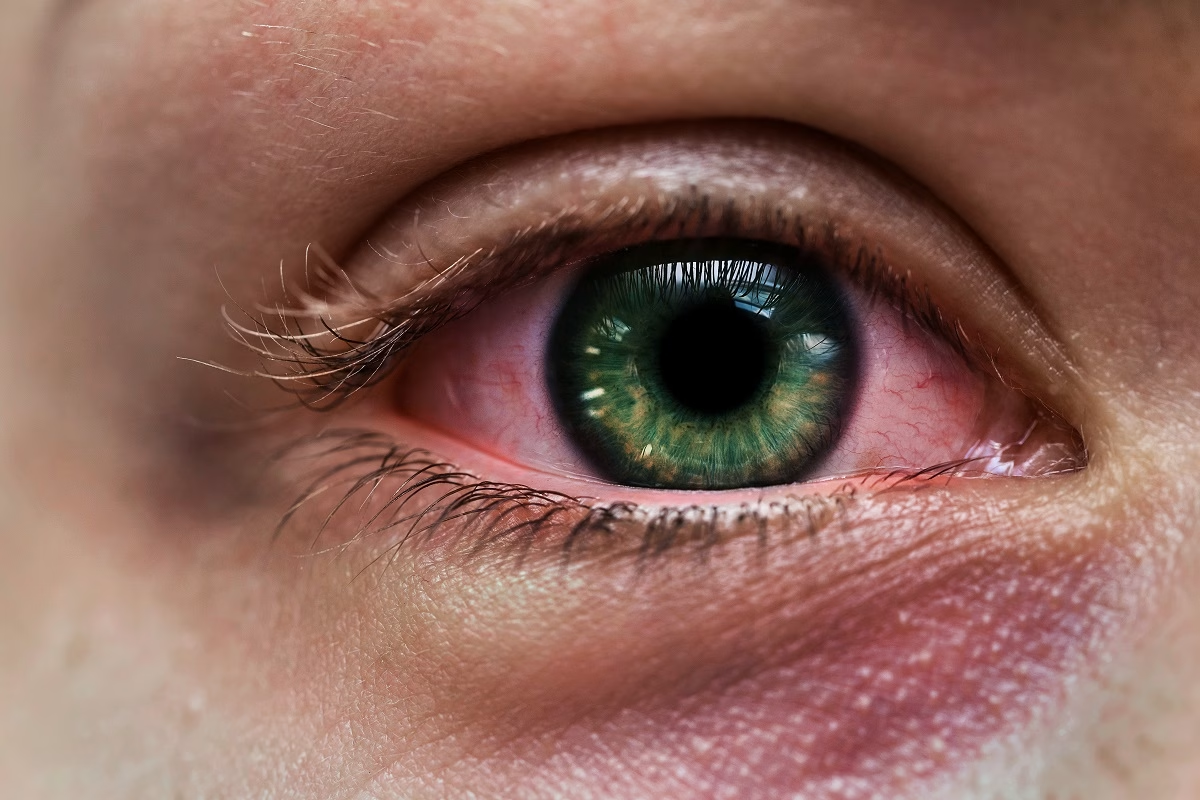
A health condition that causes painful inflammation in the eyes and the skin around them is called ocular rosacea. Unfortunately, there is no cure for this condition. However, you can prevent flare-ups and relieve the symptoms if you learn to avoid triggers. Usually, doctors help identify triggers and recommend treatments to ease the symptoms.
In general, ocular rosacea is a type of rosacea (a skin disease that causes discoloration and inflammation on the face). Sometimes, ocular rosacea is called meibomian gland dysfunction.
Symptoms
Commonly, the symptoms in people with this condition come and go in episodes (also called flare-ups or flares). Furthermore, the symptoms may change over time or between flares. Check below for the most common symptoms of ocular rosacea:
- Blepharitis (inflamed or swollen eyelids)
- Redness or discoloration of the skin around the eyes
- Itching
- Swelling
- A feeling of heat or burning
- Styes or chalazia
In addition, this eye disorder may also cause symptoms in the eyes. Examples include:
- Epiphora (watery eyes)
- Crusty discharge in the eyelashes
- Photophobia (sensitivity to light)
- Dry eyes
- Bloodshot eye (red eye)
- Conjunctivitis (also known as pink eye)
A lot of people think ocular rosacea occurs only in people with white or fair skin. However, it can occur in people with darker skin tone. Moreover, the symptoms are the same, but rosacea’s trademark discoloration is often harder to see.
Causes
Healthcare professionals do not fully understand what exactly causes ocular rosacea. Check below some possible causes:
- Genetic disorders that you have inherited from your biological parents during pregnancy.
- Gastrointestinal diseases (specifically the same Helicobacter pylori bacteria that can cause some disorders)
- Environmental irritants (including prolonged exposure to chemicals or toxins)
- Problems with blood circulation (this can cause your blood vessels around the eyes to swell)
Healthcare professionals have found some triggers that lead to flares. Check below the most common of them:
- Stressful situations
- Exposure to UV light (such as tanning beds or sunlight)
- Alcohol
- Eating spicy foods
- Intense physical exercise
- Exposure to intense weather (such as heat, cold, or wind)
What Are The Long-term Effects of Ocular Rosacea?
People with this disorder may also experience some complications, especially if they leave it untreated. Check below some examples:
- Permanent damage to the eyes
- Loss of vision (blindness)
- Increased risk of eye infections
- Chronic dry eyes
- Keratitis
- Cornea scarring, perforation, or neovascularization
- Episcleritis
- Iritis
The previous list does not contain all possible complications of ocular rosacea. In any case, you can consult with your healthcare professional about ways to reduce the risk of developing them.
Prevention
Healthcare professionals may recommend some lifestyle changes that may help reduce the risk of flares. For example:
- Limit your exposure to the sun or use protection, including a hat, sunglasses, and others
- Get a healthy amount of sleep
- Manage stress (such as working with a mental health professional)
- Stop smoking – If you face problems with smoking cessation, discuss it with your healthcare professional.
- Limit or avoid alcoholic drinks
- Regularly perform physical exercise – In general, doctors recommend aiming for 30 minutes of physical exercise, at least 5 days a week.
It is also recommended to keep a list of journal of triggers. It helps prevent new flares or experience milder symptoms.
Diagnosis
Usually, when doctors suspect ocular rosacea refer these patients to ophthalmologists. Therefore, they perform a physical and eye examination to check for irregularities linked to the disease. They may also check your vision and ask some questions about your symptoms and medical history. It is very important to inform your doctor about all symptoms you have experienced, especially if they improve before the appointment.
Treatment
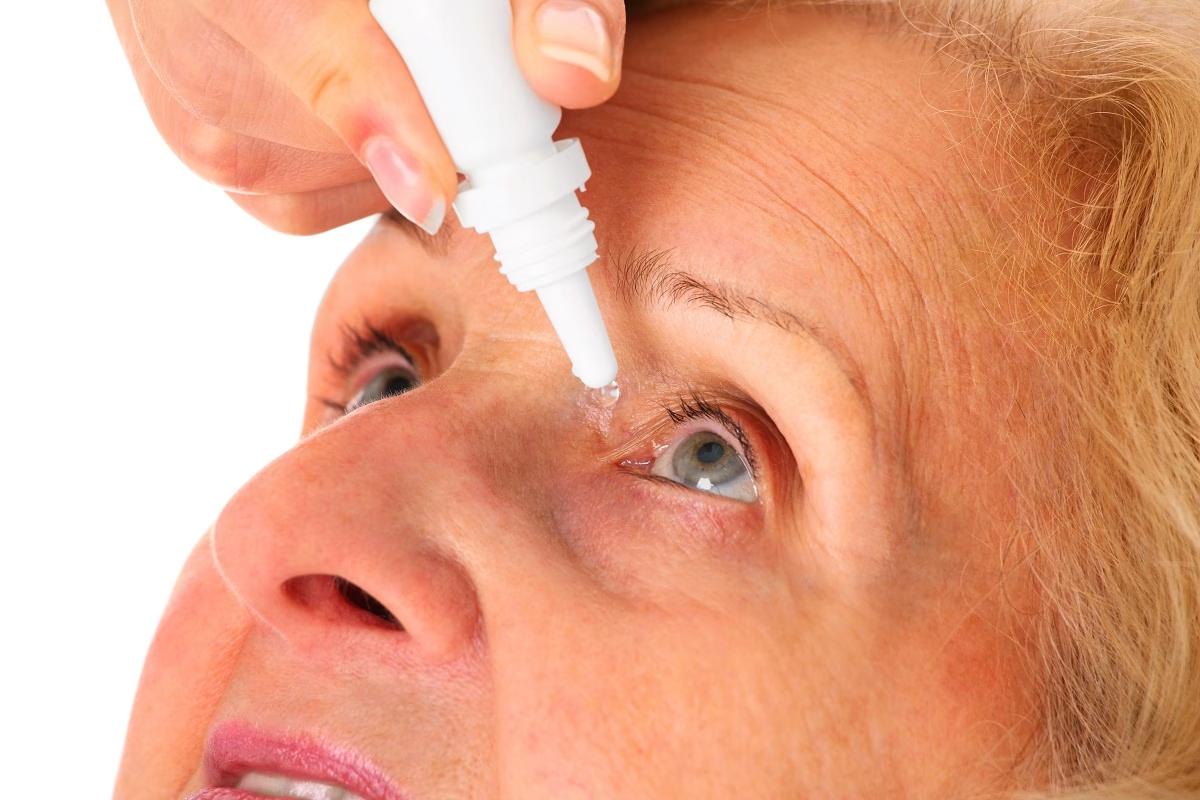
One of the most important parts of the ocular rosacea treatment is avoiding the triggers. While it is not always possible, you should avoid foods, activities, or situations that trigger flare-ups. It may also help reduce the severity of the symptoms. This type of rosacea cannot be cured. That’s why the treatment goal is to reduce the symptoms and improve your quality of life. Usually, doctors recommend the following options to manage this disorder. Check below some examples:
- Warm compresses on the eyes, especially during and after bathing
- Artificial tears or eye drops
- Doxycycline (antibiotics)
- Wearing sunscreen (always use SPF 30 or higher) when outdoors
Your physician may also recommend washing your eyes with a pH-balanced cleanser.
Frequently Asked Questions
What can’t I eat or drink with ocular rosacea?
Your doctor may recommend avoiding foods that trigger flares. While most people experience symptoms due to spicy foods and alcohol, the triggers are unique to you.
How soon after treatment will I feel better?
Usually, people notice improvements within 3 weeks after beginning the treatment. Generally, treatments recommended for people with ocular rosacea can make you more comfortable during a flare-up.
When should I go to the emergency room?
Immediately call 911 or go to the nearest emergency room (ER) if you experience any of the following symptoms. Examples include:
- Double vision
- Blurred vision
- Loss of vision
- Dizziness
- Severe eye pain
If you have additional questions, ask your healthcare provider.