
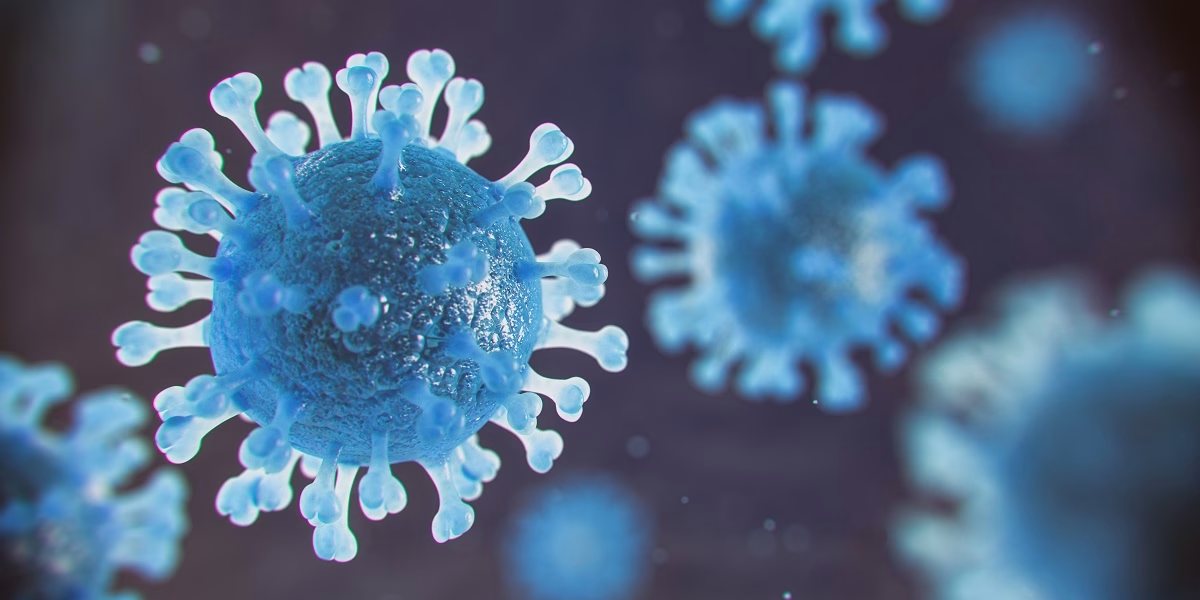
A very common infection that causes nausea, vomiting, and diarrhea, which is caused by a group of viruses called norovirus. Usually, people experience symptoms similar to the stomach flu, but they have a different cause. Moreover, this is a very contagious virus that easily spreads through close contact, contaminated food, or surfaces.
In other words, there is a very contagious group of viruses called norovirus that causes severe vomiting and diarrhea. In most cases, an outbreak of norovirus occurs seasonally in colder months. The first time an outbreak of norovirus happened in Norwalk, Ohio, USA, in a school in 1968.
Generally, this is a very common viral infection that affects about 685 million people worldwide each year. Approximately 200 million of them are children. In addition, infections with norovirus are the most common cause of foodborne illness in the U.S.
Types of Norovirus
In general, there are multiple types (strains) of norovirus. It is a part of the Caliciviridae family of viruses that often cause inflammation of the stomach and intestines (also called gastroenteritis). There are 10 groups with 48 types, and the most common type is GII.4.
Symptoms
Commonly, people who are infected with norovirus experience the following symptoms. For example:
Most of the time, the symptoms start between 12 and 48 hours after exposure to the virus, and may last a few days. In any case, if any of the symptoms listed above occur, immediately contact your healthcare provider.
While the symptoms of norovirus are the same in both children and adults, children may experience vomiting more than adults, but adults often experience diarrhea more than children.
Causes and Risk Factors
This infection occurs due to a virus from the Caliciviridae family. It often occurs when the virus enters the body, causing your stomach and intestines to swell and become inflamed. These conditions are also known as gastroenteritis, and they cause symptoms of norovirus. Usually, people get infected with norovirus in the following ways. For example:
- Close contact with an infected person
- Touching contaminated surfaces and then touching your eyes, nose, or mouth
- Drinking or eating contaminated food or beverages
Typically, the virus spreads when an infected person touches food before serving it to someone else. Moreover, some people may become infected from certain foods, including oysters and other seafood. These products can be naturally contaminated with norovirus.
While anyone may develop an infection with these viruses, there are some factors that may make you more prone to norovirus. Examples include:
- Direct contact with an infected person
- Certain genes – There are some genes that can make you more prone to norovirus
- Contaminated food or water
- Touching contaminated surfaces
- Specific environments (including cruise ships, nursing homes, schools, and daycare centers)
- Weakened immune system
- Pregnancy
- Poor hygiene
- Inadequate cooking
- Cross-contamination
Is Norovirus Contagious?
Yes, this is a very contagious virus that spreads easily from one person to another. Once the virus enters the body is begins to release billions of small virus particles that can produce others too. Usually, only a few particles of the virus can make a person sick. After exposure to the virus, it often takes up to 2 days to experience the symptoms. It is also called an incubation period. People usually are contagious up to 48 hours after they no longer have symptoms.
What Are The Long-term Effects of Norovirus?
This virus can make you feel very sick, and you may experience moderate to severe vomiting and diarrhea. Thus, inability to eat and drink may lead to dehydration. Check some symptoms of dehydration below:
- Dark colored urine
- Reduced urination
- Dry mouth
- Weakness or dizziness
- Headaches
Children may also experience crying without tears, fussiness, and drowsiness during the day. While this virus makes it difficult to eat and drink, you should make an effort. You can try to eat slowly, taking small bites and little sips of water. Otherwise, it may lead to additional complications. These include:
- Electrolyte imbalance (such as hypokalemia or hyponatremia)
- Acute kidney injury (AKI)
- Benign infantile convulsions with gastroenteritis (BICG)
- Necrotizing enterocolitis (NEC)
- Encephalopathy
- Ischemic colitis
- Chronic diarrhea
- Inflammatory bowel disease (IBD)
The previous list does not contain all possible complications of norovirus. In any case, you can consult with your doctor about measures to reduce the risk or even prevent them.
How to Prevent Norovirus?
To reduce the risk of getting norovirus, you should take some precautions. For example:
- Regularly wash your hands with soap and mild water
- Wash or peel fruits and vegetables before eating them
- Cook the food at a safe temperature (at least 145 degrees F or 62.7 degrees C)
- Do not get in close contact with infected people
- Clean and disinfect touched surfaces and objects
- Regularly wash your clothes, especially if they are soiled
Moreover, a hand sanitizer does not destroy norovirus as soap does. It is also important to avoid food preparation if you are infected because it may help to prevent the spread.
Can You Get Norovirus Twice?
Yes, the infection with norovirus may recur because there are multiple strains of the virus. In general, the body may build a small immunity to the initial type, but not all types. It also means you may get norovirus multiple times during your lifetime.
Diagnosis
Doctors often diagnose norovirus based on your symptoms. While tests are not necessary, some doctors may perform a stool test to confirm the diagnosis. This test is often performed by doctors when you have an underlying disease that negatively affects the immune system.

Treatment
Unfortunately, there is no way to cure norovirus. That’s why the treatment focuses on relieving the symptoms and preventing serious complications. Doctors often recommend:
- Get plenty of fluids (especially those that contain electrolytes)
- Getting a lot of rest
- Eating soft and bland foods
Frequently Asked Questions
What is the difference between norovirus and the stomach flu?
In general, norovirus causes gastroenteritis, which some people may call “stomach flu”. However, influenza is a virus that causes respiratory flu, not gastroenteritis.
Is norovirus seasonal?
Yes, most of the time, norovirus outbreaks occur between November and April in countries above the equator. However, in the countries below the equator, it mostly occurs between April and September.
How long does norovirus stay in my body?
Norovirus is usually present in the stool once it enters the body. It can be identified even before you begin to experience symptoms. Most people continue to be contagious up to 48 hours after the symptoms disappear. Ask your healthcare provider if you have any other questions.