
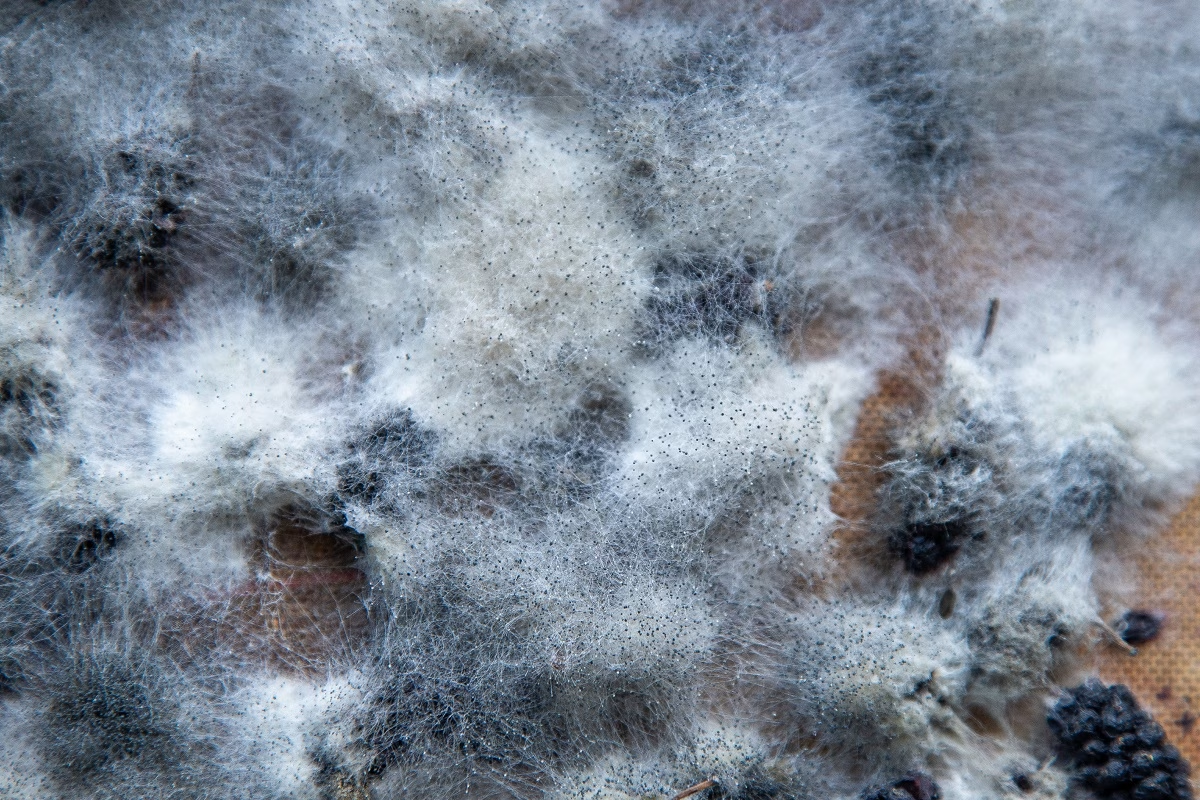
An immune system reaction to molds that are most of the time harmless is called mold allergy. While some people have only mild symptoms (such as itching or a rash), others may have breathing problems. Nowadays, physicians can determine which type of mold allergy you have. The best way to prevent this condition is to avoid mold. However, doctors may recommend some medicines to relieve the symptoms.
Furthermore, molds are a type of fungus, and for most people, it is not harmful. However, molds that grow inside homes prefer dark, damp places (such as basements or crawl spaces) and can be dangerous, especially for those who have a mold allergy.
According to some research, mold allergy is a common condition that affects approximately 3 to 10 out of every 100 people. While there are several types of molds, only some of them cause an allergy.
Types of Mold Allergies
Physicians have divided this condition into several types. Check the most common of them below:
- Cladosporium
- Penicillium
- Aspergillus
- Alternaria
In addition, there are some types of mold (such as black mold) that may cause serious health problems in people with a weakened immune system.
Symptoms
The symptoms of this type of allergy are very similar to those of other types of allergies. Check some of them below:
- Sneezing
- Nasal congestion
- Itchy throat
- Watery eyes
- Cough
- Wheezing
- Runny nose
It is important to know that a mold allergy can trigger an asthma attack if you have asthma. In any case, if you experience any of the previous symptoms without an obvious reason, it is recommended to see a doctor for a diagnosis.
Causes and Risk Factors
This type of allergy occurs due to mold spores that trigger an immune system reaction. Spores are small cells that help mold grow and spread. If these spores enter the body, the immune system begins to produce immunoglobulin E (IgE). This is a specific antibody that helps find and remove allergens from the body. IgE often sees these spores as mast cells (allergy cells). The symptoms usually occur due to the release of histamine and other allergy chemicals in the body.
While anyone can develop a mold allergy, certain factors could increase your risk. Check some examples below:
- Family history – If you have a sibling or parent who has an allergy, your risk of developing a mold allergy significantly increases.
- Occupational exposure – The following occupations significantly elevate your risk of developing mold allergy because you are continuously exposed to mold spores. These include greenhouse work, winemaking, furniture repair, logging, baking, farming, and others.
- Certain disorders – People who already have asthma or atopic dermatitis are more prone to mold allergy.
- Weakened immune system – Your immune system can become weakened due to certain medicines and health conditions. These include fungal infections, HIV infection, cancer, immunosuppressants, and others.
- Environmental exposure – If you live or work in places with water damage, poor ventilation, or high humidity, there is an increased risk of developing a mold allergy.
What Happens if a Mold Allergy is Left Untreated?
In general, molds are harmless to people, but if you develop an allergic reaction, you should see a doctor. Otherwise, it may lead to certain complications. Check some examples below:
- Mold-induced asthma – People who already have asthma may experience an asthma attack due to mold allergy. It often causes trouble breathing, chest tightness, and wheezing.
- Allergic fungal sinusitis – This is an inflammation of the sinuses in response to fungus.
- ABPA (allergic bronchopulmonary aspergillosis) – This is a severe complication of mold allergy that causes an inflammation in the lungs. Usually, it affects people with asthma and cystic fibrosis.
- Hypersensitivity pneumonitis – It is also a rare lung condition that causes inflammation when mold spores enter the lungs.
- Chronic (long-term) sinusitis – When this type of allergy is left untreated, it may lead to chronic sinus problems.
- Skin disorders – People with eczema or dermatitis may experience a more severe immune system reaction if they are exposed to mold.
Immediately contact your healthcare professional if any of the previous complications happen. Without immediate treatment, it may lead to permanent damage.
How to Prevent Mold Allergy?
Unfortunately, it is not possible to prevent allergies, but you can take the following steps to reduce the risk. For example:
- Clean up molds – You should use household cleaners or a solution of 1 cup of bleach in 1 gallon of water. It is also recommended to wear protective equipment (including gloves and a respirator).
- Monitor moisture in your home – You should always make sure your home is properly ventilated. If you notice problems, repair them right away. You can also run a dehumidifier in your basement.
- Visit a doctor – If you have symptoms that resemble a mold allergy, immediately visit a doctor. Early diagnosis and proper treatment may help prevent serious complications.
Diagnosis
Doctors usually start the diagnosis of mold allergy with a physical examination to check for irregularities linked to the disease. However, to confirm or rule out this disorder, they may also perform the following tests. These include:
- Blood tests – These tests are often done to check for IgE antibodies. People who have a mold allergy often have an increased level of immunoglobulin E antibodies in the blood.
- Skin prick test – During this test, doctors will place droplets or mold allergens on the skin to see whether you develop a reaction. These include skin discoloration, swelling, and itching.

Treatment
Unfortunately, there is no way to cure this condition. However, there are some treatments available to ease the symptoms and prevent serious complications. Moreover, one of the most important parts of the treatment is to avoid mold. Check below some options often recommended by doctors for people with a mold allergy:
- Antihistamine medicines
- Over-the-counter (OTC) nasal steroids
- Nasal antihistamine sprays
- Corticosteroids – This is a group of medicines primarily used to reduce inflammation. Sometimes, physicians may recommend corticosteroids in people who have both asthma and a mold allergy.
- Immunotherapy – This treatment involves allergy shots that you can get each time you develop an allergic reaction. It helps reduce the body’s sensitivity to allergens.
Frequently Asked Questions
What can I expect if I have mold allergies?
While there is no cure for this type of allergy, doctors may recommend some treatments to relieve the symptoms and improve your quality of life.
Can living in a house with mold make you sick?
Yes, people who live in a house where mold is present are at increased risk of developing an allergy. For instance, if the house you are living in is poorly ventilated with high humidity levels, it is an ideal environment for molds to grow. For more details, discuss it with your physician.
What are the signs of mold toxicity?
These include:
- Extreme tiredness
- Digestive problems
- Neurological issues
- Allergic reactions (including itchy eyes, skin rashes, sneezing, and others)
Do not hesitate to see a doctor if any of the previous symptoms occur.
How to fix mold sensitivity?
There are some steps that doctors often recommend to reduce your exposure to mold spores. Examples include:
- You should prevent mold and mildew build-up inside your home
- Disinfect surfaces and objects on which mold grows
- Regularly ventilate your home and check humidify
- Repair plumbing leaks right away
- Physicians may also recommend using central air conditioning with certified asthma and allergy-friendly filters
If you have any other questions, ask your healthcare provider.