

Certain soft and painless growths that appear in the lining of the nose and sinuses are called nasal polyps. Usually, they appear in people with asthma, allergies, frequent infections, or nasal inflammation. Doctors often recommend medicines and outpatient surgery to shrink these polyps and ease symptoms.
In other words, nasal polyps are noncancerous (benign) growths that develop in the mucosa (thin and soft tissue) that lines the nasal and sinus passages. In most cases, people develop polyps on both sides of the nose. When these growths become irritated and swollen, you may experience breathing problems. They are looking like teardrops, but when they become large may resemble peeled grapes that are yellow, gray, or pink. Sometimes, this condition is called nasal polyposis.
Generally, nasal polyps are common and affect about 40% of the general population.
Symptoms
While small polyps do not cause any symptoms, when they become large, you may experience the following symptoms. Examples include:
- Rhinorrhea (runny nose)
- Nasal congestion (stuffy nose)
- Headaches
- Nosebleeds
- Postnasal drip
- Sinus pressure
- Snoring
- Loss of taste and smell
In more severe cases, the polyps are very large, as they can block the nasal passages and sinuses. Check below some additional symptoms:
- Frequent asthma attacks (in people with this condition)
- Sinusitis (frequent sinus infections)
- Sleep disorders (such as sleep apnea)
- Breathing problems (even if you do not have asthma)
If any of the previous symptoms occur, immediately contact your healthcare provider.
Causes
While doctors know that nasal polyps appear due to inflammation, they do not know why some people develop them, but others do not. The most common cause of nasal polyps is chronic (long-term) sinusitis caused by allergies, infection, or asthma. Furthermore, chronic sinusitis means inflammation that lasts for more than 3 months. However, there are some factors that may increase your risk of developing nasal polyps.
Risk Factors
Check below some factors that may contribute to nasal polyps:
- Chronic sinus infections
- Allergic rhinitis (also known as hay fever)
- Asthma
- Cystic fibrosis
- Hypersensitivity to some NSAIDs (nonsteroidal anti-inflammatory drugs)
- Genetics – There are some gene mutations that may negatively affect how the nasal tissue reacts to inflammation.
- Age – Usually, people develop nasal polyps between the ages of 30 and 40.
- Sex – Men are twice as likely to develop nasal polyps compared to women.
- AERD (Aspirin-exacerbated respiratory disease)
- Prolonged exposure to certain chemicals (including dusts, poor air quality, smoke, and others)
- Nasal surgeries
- Vasculitis
While anyone may develop these polyps, the overall risk increases with age.
What Are The Possible Complications of Nasal Polyps?
People who develop large nasal polyps may also experience some complications, especially if they leave them untreated. Check below some examples:
- Osteomyelitis (bone infection)
- An increased risk of osteoporosis (brittle bones)
- Abscesses (pockets of infection) that may spread to the eye sockets and brain
- Meningitis (a life-threatening infection that occurs around the brain and spinal cord)
- Snoring
- Pain
- Reduced quality of sleep
- Extreme tiredness (fatigue)
- Excessive bleeding
- Recurrent polyps
- Orbital complications (such as injury to the optic nerve or blindness)
The previous list does not contain a full list of complications, but you can consult with your healthcare professional about ways to reduce the risk or even prevent the previous complications.
How to Prevent Nasal Polyps?
While it is not always possible to prevent these abnormal growths, doctors may recommend the following tips to reduce the risk. For example:
- Administer medicines exactly as prescribed by doctors. Otherwise, it may lead to unpleasant outcomes.
- It is recommended to use a humidifier in the home to moisten the breathing passages.
- Practice good hygiene
- You can also use saline nasal rinses or sprays to flush out allergens and other irritants.
- Avoid airborne allergens or irritants that may cause nose and sinus inflammation.
Diagnosis
In most cases, the diagnosis of nasal polyps begins with a physical examination. During this procedure, doctors may:
- Examine the nose with a scope (a small and flexible tube with a lighted camera on the end)
- Evaluate your medical history (with a focus on asthma, sinus infections, and allergies)
- Ask questions about the symptoms and how long you have experienced them.
However, doctors may also perform the following tests to get more information about nasal polyps. For example:
- CT (computerized tomography) scans
- MRI (magnetic resonance imaging) scans
The previous tests are used to determine the exact location and size of the polyps. In addition, doctors may also perform an allergy test to identify allergens that cause nasal inflammation and contribute to polyps.
Treatment
The treatment for nasal polyps is often different among people because it depends on some factors. For example, the severity of the condition, overall health, age, and preferences. However, the primary treatments for people with nasal polyps are medications and surgery. Over time, nasal polyps may recur even after successful treatments.
Medicines
While the following medicines cannot treat polyps, they can relieve the symptoms. Check below the most common prescribed medicines:
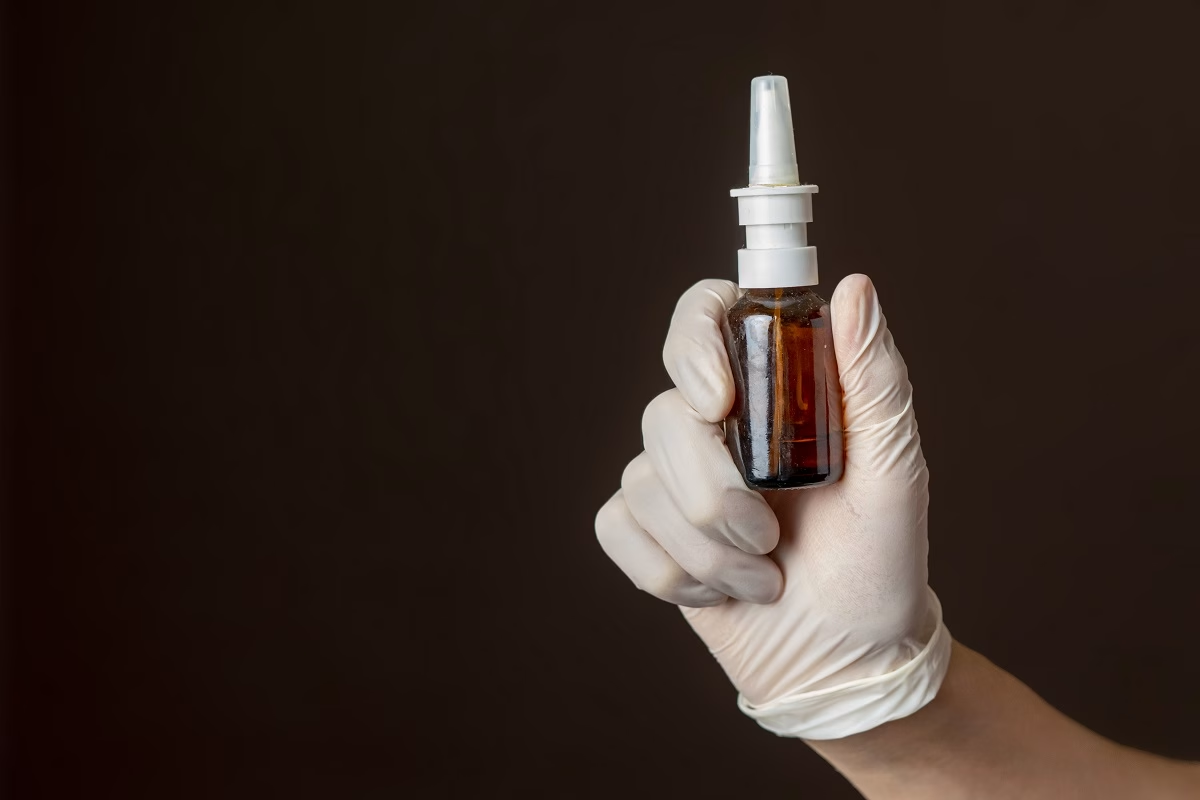
- Steroid nasal sprays – These sprays are used to shrink nasal polyps and relieve symptoms.
- Oral steroids – Usually, doctors recommend Prednisone.
- Biologic medicines (such as Dupilumab injections) – These medications are often used to boost the immune system, which may help shrink large nasal polyps. Furthermore, these injections contain monoclonal antibodies.
Surgery
The following treatment options are recommended for people with nasal polyps when medications do not help. Check below some minimally invasive procedures used to remove the polyps:
- Polypectomy – This procedure involves a small tool (such as surgical scissors or snares) to grab onto and remove the polyps that develop inside the nose.
- Balloon sinuplasty – During this treatment, surgeons will use a small balloon to unblock nasal passages. They will insert it into the sinus cavity and then slowly inflate it. Moreover, surgeons may also remove polyps during this treatment.
- Functional endoscopic sinus surgery (FESS) – During FESS, doctors use small tools to remove polyps, damaged tissue and bone, and anything else that blocks the nasal passages.
The previous surgeries are minimally invasive procedures that do not cause visible incisions or sutures.
Frequently Asked Questions
When should I see my healthcare provider?
It is recommended to see a doctor if you have nasal polyp symptoms that last more than 10 days. It is also important to inform your doctor if you notice a single benign growth on one side of the nose. In some cases, this single tumor may indicate a nasal or paranasal tumor.
Will nasal polyps go away on their own?
Some people may notice that polyps shrink on their own over time. However, it occurs in rare cases, and people with large nasal polyps often need treatment.
How can I remove nasal polyps at home?
There is no safe way to remove them at home. Do not try to remove them yourself because it may lead to serious complications (such as excessive bleeding and infections). If you have additional questions, ask your healthcare provider.