
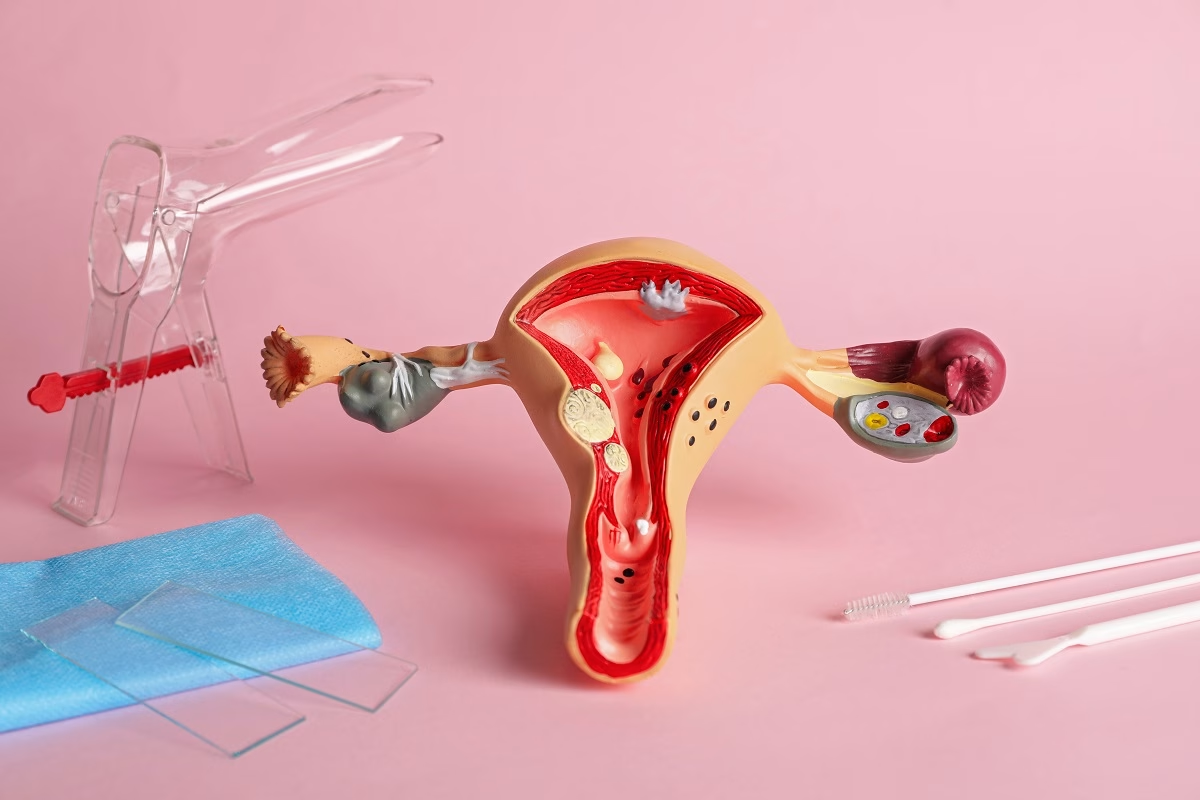
A disease that causes the inner lips of the vulva to stick together is called labial adhesion. Commonly, it happens in women with low levels of Estrogen. While it can affect infants, it may also occur in toddlers and adults. Usually, labial adhesion is a treatable disorder, and doctors often recommend Estrogen creams and manual or surgical separation.
Normally, the inner lips of the vulva are located on both sides of the vaginal opening. They often come together around the clitoris only, but in women with labial adhesion, these inner lips stick together (either partially or completely). In some cases, the labia can cover the urethra, which may lead to urination problems.
Generally, this disorder is relatively common, and it usually does not cause serious health problems. It affects about 2% of girls before they reach puberty. It is challenging to determine the exact number of people with labial adhesion because they do not report this condition. Some people with this disorder do not need treatment if they do not have any symptoms. Sometimes, this condition is called in the following ways. For example:
- Fused labia or labial fusion
- Vaginal adhesion or vaginal fusing
- Synechia vulvae
- Labial agglutination
Types of Labial Adhesion
Physicians have divided this condition into 2 types. These include:
- Primary labial adhesions – This form happens in children from 3 months of age to 6 years. Most of the time, it affects children aged 1 to 2.
- Secondary labial adhesions – The second type of this condition often happens in women after birth. In rare cases, it may occur in postmenopausal women.
Symptoms
While this condition usually does not cause any symptoms, some women may experience the following symptoms. Examples include:
- Frequent urinary tract infections (UTIs)
- Vaginal discharge
- Pooling of urine behind the adhesions
- Urinating problems
- Pain in the vaginal area
- Vulvitis (itching or inflammation in the vulva)
- Dyspareunia (pain during sexual intercourse)
If you or your child experiences any of the previous symptoms, immediately contact your healthcare provider.
Causes and Risk Factors
While experts do not know the exact cause of labial adhesions, they think the primary cause is low Estrogen levels. This is a female sex hormone that usually increases during puberty. It is also involved in the development of multiple aspects of sexual and reproductive health, including secondary sex characteristics (including breasts, wider hips, and body hair), menstruation, and pregnancy. In most cases, girls have reduced Estrogen levels before puberty, which may cause primary labial adhesions that usually do not need treatment. The secondary form of this condition may appear soon after birth or menopause. After childbirth, women also have reduced levels of Estrogen.
Furthermore, in babies and young toddlers, frequent skin irritation may cause labia to stick together, including diaper rash (diaper dermatitis), lichen sclerosus, and vulvar dermatitis.
While any woman can develop labial adhesions, doctors have identified some factors that could increase their risk even more. Check some examples below:
- Infections – These include UTIs, chronic (long-term) vulvovaginitis, and others.
- Trauma (including injury, harsh wiping, or sexual abuse)
- Skin disorders (including lichen sclerosus, dermatitis, eczema, and others)
- Chronic irritation or inflammation
- Reduced levels of Estrogen
- Hypoestrogenism (low Estrogen levels caused by menopause)
- Mobility problems
What Are The Potential Complications of Labial Adhesions?
This disorder rarely causes complications. While the most common complications are frequent UTIs and painful urination, it may also cause other complications. Check some of them below:
- Urinary dysfunction – This complication usually causes difficulty urinating or a weak stream.
- Vulvar irritation and pain – For example, inflammation, itching, or tenderness in the genital area.
- Vaginal discharge
- Dyspareunia
- Recurrent labia adhesions – In some cases, this condition may return even after successful treatment.
- Trauma – In more severe cases, adhesions can cause a painful and thin tissue splitting.
- Complete fusion obstruction – In such cases, people often experience severe urinary retention or trapped menstrual blood, which requires immediate medical help.
This article does not contain a full list of labial adhesion complications, but you can talk with your doctor about ways to reduce the risk or prevent them.
How to Prevent Labial Adhesions?
Unfortunately, it is not possible to prevent this condition because doctors do not fully understand what exactly causes it. However, they may recommend some tips to reduce the risk. These include keeping the area clean and watching for signs of irritation (including pain, discoloration, and skin rashes).
Diagnosis
Most of the time, physicians diagnose this condition during a physical examination. However, they may also perform a urinalysis (a urine test) to check for urinary tract infections.
Treatment
In mild cases, doctors do not recommend any treatments to see whether labial adhesion causes symptoms. Moreover, this condition may go away when a person reaches puberty because the body begins to produce Estrogen. For babies or adults with labial adhesion who have symptoms, doctors recommend the following treatment options. These include:
Topical Treatments
Physicians usually recommend conjugated Estrogen vaginal creams or Corticosteroid creams that contain Betamethasone to treat this condition. These medications usually help separate the lips and ease the symptoms.
Manual or Surgical Separation
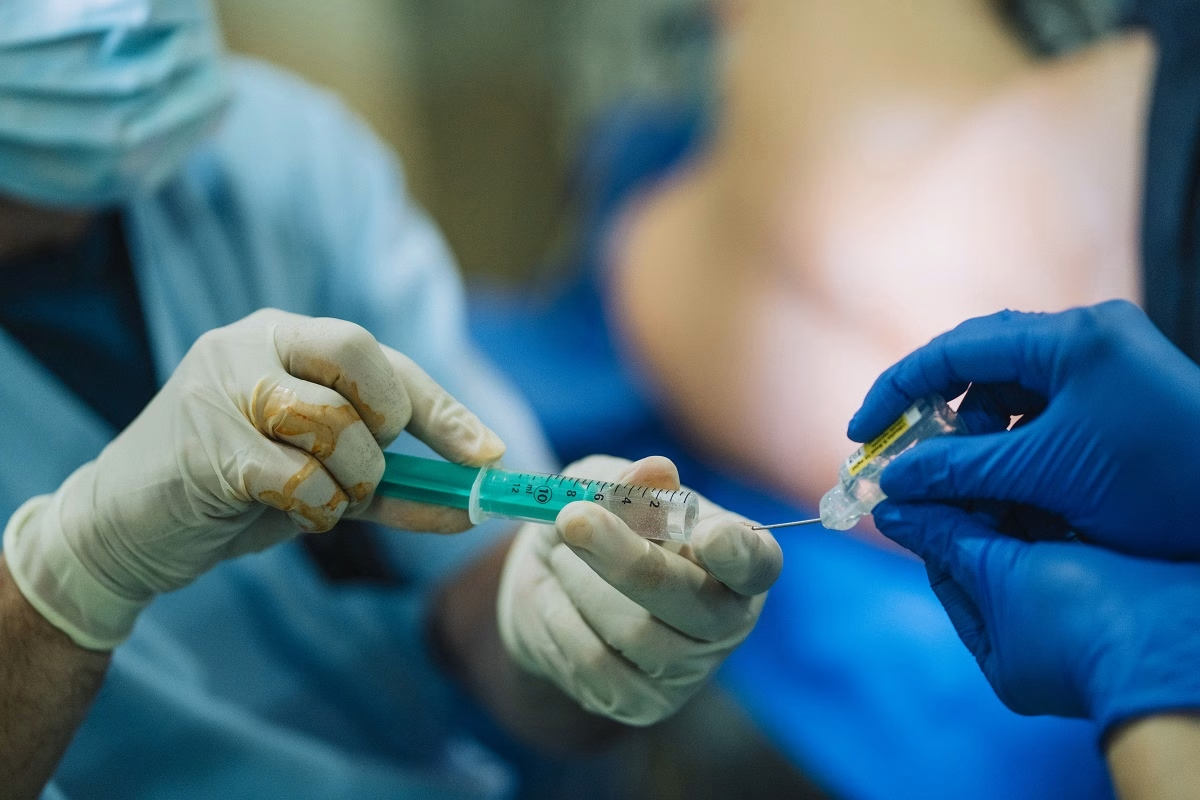
In more severe cases, when the condition causes large or thick labial adhesions, topical options may not work. That’s why physicians will use local anesthesia and try to open the adhesion by hand. Mostly, doctors surgically separate a labial adhesion, especially if you cannot urinate and other options do not help.
Home Remedies
The following tips may help relieve the symptoms and sometimes prevent labial adhesions. For example:
- Wipe the genital area of your child from front to back whenever you change the diaper
- Clean all folds and cracks around the labia with mild soap and warm water
- Gently massage petroleum jelly to the affected area
It is very important to know that you should not separate the adhesion yourself. Only a trained healthcare professional can do it by hand.
Frequently Asked Questions
How long does a labial adhesion last?
Usually, this condition disappears when the child reaches puberty. During this period, the body begins to produce Estrogen.
When should I see a healthcare provider?
It is recommended to see a doctor if you notice the child’s labia that covers the vaginal opening, or if you notice a labial adhesion that negatively affects urination or causes pain.
What does a labial adhesion look like?
Commonly, it looks like a line or bridge of tissue that covers the vaginal opening and/or urethra. Ask your healthcare provider if you have any other questions.