
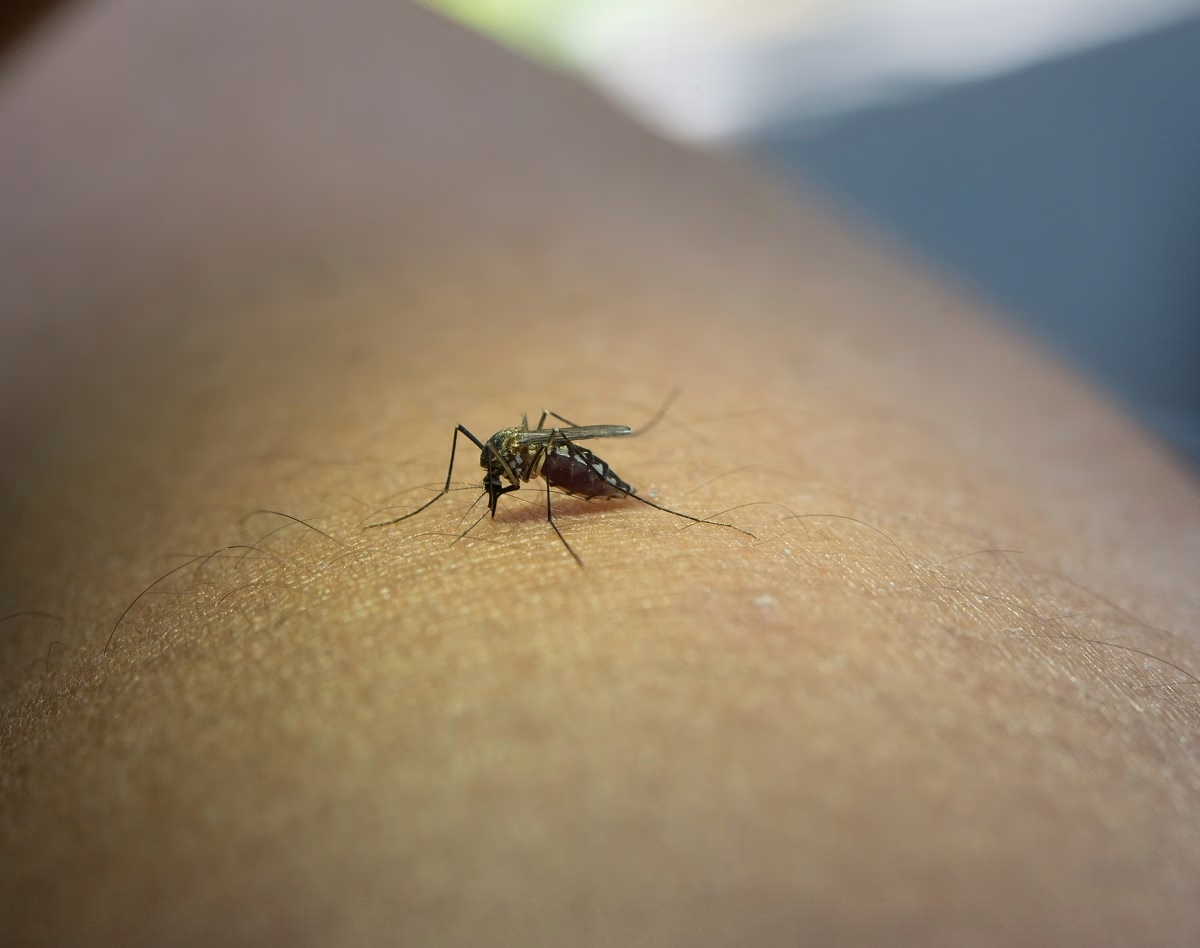
Certain small and flying insects known as vectors (living things that carry diseases between humans and animals) are called mosquitoes. They carry infections through the blood, and mosquito bites are small, raised bumps on the skin that are often caused by a bite from a female mosquito. In general, there are multiple types of mosquitoes (including Aedes, Culex, Anopheles, and others) that only female mosquitoes feed on blood. While most of the time, mosquito bites don’t cause long-term health problems, you may experience irritation for a short period.
Where Are Mosquitoes Found?
They often live near water and lay their eggs in shallow and stagnant water. For example, ponds, lakes, children’s pools, the inside of tires, marshes, and others. Sometimes, they can spread serious health conditions that can be fatal.
Why Do Mosquitoes Bite?
These insects bite and suck blood for reproduction. While male mosquitoes only eat flower nectar, females eat both flower nectar and blood. They require protein to develop eggs.
Types of Diseases that Can Spread Through Mosquitoes
These include:
- Chikungunya – This disease occurs due to a virus that is often spread by the Aedes aegypti mosquitoes. It can be found in Africa, North and South America, Asia, Europe, and the Indian subcontinent. The most common symptoms include muscle and joint pain, headaches, nausea, tiredness, skin rash, and fever.
- Zika – This is also a viral infection that is transmitted by the Aedes albopictus and Aedes aegypti mosquitoes. It is often found in Africa, North and South America, Asia, and the Pacific area. Furthermore, this virus can spread from one person to another through sexual intercourse. People who develop this viral infection may experience a mild fever, headaches, muscle pain, and eye irritation. It is very important to get protection if you are a pregnant woman because it may cause damage to the developing fetus.
- Dengue – It is a viral infection often found in Africa, Asia, North and South America, and Europe. The symptoms of this infection are very similar to those of the flu. For example, fever, joint and muscle pain, nausea, headaches, and others.
- West Nile Virus – This virus can be found in Europe, West Asia, the Middle East, North America, and Asia. It usually spreads through the Culex mosquitoes, and it can be fatal. The most severe symptoms of this viral infection include high fever, neck stiffness, confusion, convulsions, muscle weakness, and coma.
Other Additional Types
- Malaria – This viral infection often spreads through the Anopheles mosquitoes, and it can be found in sub-Saharan Africa. Those who are infected with this virus often experience the following symptoms. These include fever, headache, and vomiting. Sometimes, this condition can be fatal.
- Yellow fever – This virus is commonly found in Latin America and Africa. It is transmitted to humans by the Aedes aegypti mosquitoes, and it often causes the following symptoms. Back pain, appetite changes, vomiting, muscle cramps, headaches, and fever. Without treatment, this infection can be fatal.
Symptoms
People experience different symptoms due to mosquito bites, and they can range from mild to severe. Check some examples below:
- Irritated skin
- Itching
- Raised and circular bumps on the affected site
- Allergic reactions (such as hives, swollen throat, faintness, and wheezing)
- Fever
- Headaches
- Body aches
- Rashes
- Nausea
- Eye irritation
- Tiredness
Immediately contact your healthcare professional if any of the previous symptoms occur because there are some viral infections that may lead to death if they are left untreated.
What Does a Mosquito Bite Look Like?
In most cases, after a mosquito bite, a small and raised bump forms. Sometimes, this bump may change in color, and you may notice a small, dark spot in the center.
Causes and Risk Factors
These bites on the skin are caused by a female mosquito. These mosquitoes do not bite you every time, but they sucks blood as a part of their diet. Most of the time, the skin around the bite is irritated, and you may also notice circular bumps on the skin. Furthermore, physicians have identified some factors that may prompt mosquito bites. For example:
- Perfumes
- Blood type
- Body temperature
- Wearing dark-colored clothing
- Staying near stagnant water
- Living or traveling in areas with active mosquito-transmitted diseases
What Are The Long-term Effects of Mosquito Bites?
Sometimes, mosquito bites can cause complications ranging from mild swelling to severe allergic reactions. Check some of them below:
- Itchy bumps that last between 3 and 7 days
- Swelling
- Skeeter syndrome – This is a health condition in which a person develops a hypersensitivity reaction, which may lead to severe itching, soreness, blisters, and low-grade fever (in some cases).
- Anaphylaxis – This is a severe allergic reaction that is considered a medical emergency. Without immediate treatment, it may lead to death. Mostly, it causes wheezing, dizziness, fainting, or swelling.
- Infection – Itching may cause breaks in the skin that sometimes may lead to secondary infections.
Do not hesitate to see a doctor if any of the previous complications occur, especially anaphylaxis.
How to Prevent Mosquito Bites?
In general, there is no way to prevent mosquito bites completely, but with the following steps, you can reduce the risk. Examples include:
- Eliminate standing water and avoid spending time near these locations
- Avoid traveling to infected areas
- Use protective netting while sleeping
- Stay indoors during dusk and dawn, which is the highest point of mosquito activity
- Use a bug spray that is registered with the Environmental Protection Agency (in most cases, with DEET)
- Treat your clothing, tents, and net coverings with chemicals that repel mosquitoes
- Sleeping under the protective netting
- You can also use thick clothing, which includes long sleeves and long pants, to prevent mosquito bites
Healthcare professionals may also recommend following safety guidelines if you decide to visit an area with active mosquito-borne disease. It is very dangerous to visit these areas, especially during pregnancy. If the Zika virus infects a pregnant woman, there is an increased risk for birth defects.

Treatment
While most mosquito bites do not need treatment, you can use some over-the-counter topical medicines (such as creams) to relieve itching and discomfort. However, if you develop a severe allergic reaction after a bite, physicians may recommend the following options. For example:
- Antihistamines – This is one of the most common medicines used to treat symptoms of mosquito bites. In general, histamine is a chemical produced by the immune system to encounter an allergen. This chemical also causes itching after a mosquito bite. These medications are available in creams, ointments, and pills.
- Hydrocortisone – This is a corticosteroid used to reduce inflammation and relieve itching and swelling.
- Ice – You can also apply ice or cold packs to the affected area because it also helps ease the symptoms.
- Aloe vera – This is a specific plant that may also help relieve pain and itching. It has a gel that contains salicylic acid, and it is usually applied directly to the mosquito bite.
- Chamomile tea – This tea contains dried chamomile flowers, which have terpenoids and flavonoids. These are natural chemicals that contain antioxidants and antihistamine properties.
- Honey – It has multiple properties, including easing itching and pain. This product contains a specific enzyme called catalase, which helps decrease inflammation.
- Oatmeal – This is another product that may help with mosquito bites because it contains gluten. One of the best ways to use oatmeal is to grind it into a fine powder. Thereafter, mix this powder with warm water and apply it to the affected area.
Frequently Asked Questions
When should I see my healthcare provider?
Usually, it is recommended to see a doctor when you develop an allergic reaction after a mosquito bite.
How long do mosquito bites take to go away?
Most of the time, redness caused by a mosquito bite disappears within 3-4 days, but the rest of the symptoms it causes may take up to 7 days with treatment.
What not to do when a mosquito bites you?
Doctors usually recommend avoiding scratching the mosquito bite because it may cause inflammation and worsen existing symptoms. Instead, you should see a doctor or use over-the-counter (OTC) topical medicines. If you have any other questions, ask your healthcare provider.