
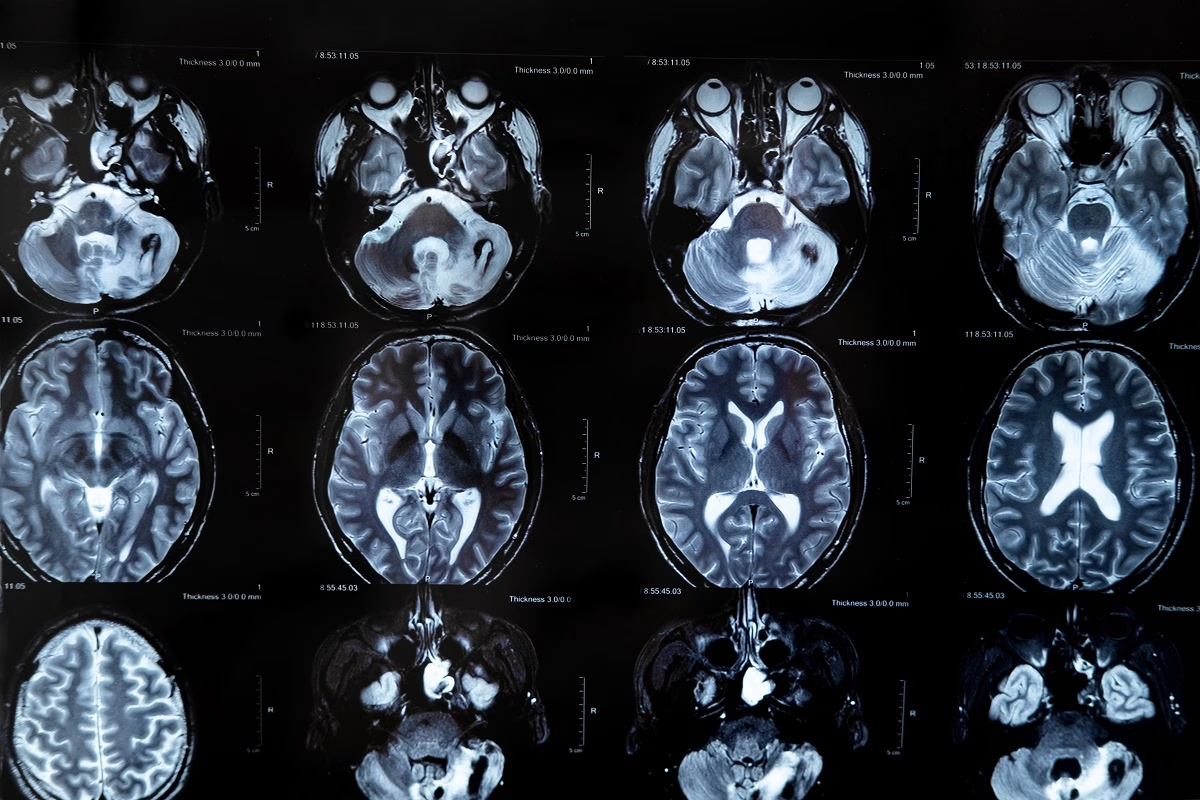
A health condition that occurs due to an underlying disorder and causes changes in the brain function is called metabolic encephalopathy. Those who develop it may experience memory loss (amnesia), loss of consciousness, and confusion. However, when this condition is found in the early stages, there is an increased chance of full recovery, but there is an increased risk of permanent brain damage.
The underlying condition often targets the metabolism. It is a chemical process that converts the food into energy. Generally, all metabolic encephalopathies are considered medical emergencies because they can cause permanent brain damage.
This type of metabolic disorder is common among people with severe health conditions.
Types of Metabolic Encephalopathy
Healthcare professionals have divided this condition into 2 categories. These include:
- Acute – This form of the condition occurs due to a lack of vitamins, oxygen, or glucose (sugar) in the body.
- Toxic – In such cases, people develop this disorder due to organ dysfunction or organ failure.
Symptoms
While the most common symptoms of metabolic encephalopathy are confusion, memory loss, and personality changes (such as irritability or agitation), it may also cause other symptoms. Check some examples below:
- Sleep disturbances (insomnia)
- Nausea
- Extreme tiredness (fatigue)
- Hallucinations
- Delirium
- Depression
- Seizures
- Tremors (involuntary movements)
- Breathing problems
- Loss of consciousness (coma)
Immediately visit a healthcare professional if any of the symptoms listed above occur. Otherwise, it may lead to serious complications (including death).
Causes and Risk Factors
People usually develop metabolic encephalopathy due to an underlying disorder that negatively affects their metabolism. It may cause a chemical imbalance in the blood, which causes the brain to not get enough nutrients to function properly. Check below some health conditions that often cause metabolic encephalopathy:
- Hyperglycemia or hypoglycemia
- Diabetes
- Kidney or heart failure
- Liver disease (such as cirrhosis, liver failure, and others)
- Malnutrition
- Pancreatitis
- Sepsis
- Vasculitis
Moreover, toxic metabolic encephalopathy may also occur due to misuse of alcoholic drinks, heavy metal poisoning, and certain over-the-counter (OTC) medications or substances.
While metabolic encephalopathy can affect anyone, doctors have identified some factors that could increase your risk of developing it. For example:
- Older adults (over 65 years old)
- Multiple health conditions at the same time
- Underlying disorders that negatively affect multiple body systems (also known as systemic illness)
- Substance use disorder
- Cognitive impairment (such as learning difficulties, memory loss, trouble concentrating, and others)
What Are The Potential Complications of Metabolic Encephalopathy?
People who ignore the symptoms of metabolic encephalopathy or leave it untreated may experience life-threatening complications. Check some of them below:
- Neurological decline (including delirium, agitation, or hallucinations)
- Deep coma and death
- Seizures and tremors
- Respiratory failure
- Temporary or permanent damage
- Psychological changes (such as mood disorders)
- Organ failure
- Electrolyte/metabolic imbalances
- An increased risk of infections
- Cerebral edema
This document does not contain a full list of metabolic encephalopathy complications. However, you can talk with your physician about ways to reduce the risk or even prevent them.
How to Prevent Metabolic Encephalopathy?
Unfortunately, it is not always possible to prevent all cases of metabolic encephalopathy, but you can consider the following tips to reduce the risk. Examples include:
- Dietary changes (add to your diet more fresh fruits, vegetables, and whole grains)
- Physical exercise – You should aim for 30 minutes of physical exercise per day, at least 5 days a week. It also helps maintain or get a healthy weight.
- Limit or avoid alcohol
- Drink plenty of water to prevent dehydration
- Keep your brain active – These include reading, completing puzzles, or participating in educational activities
- Stop smoking – It is also recommended to quit smoking. However, if you have problems with smoking cessation, discuss it with your doctor.
Diagnosis
First, doctors will perform a physical and neurological examination to check for irregularities linked to the disease. Thereafter, they may also ask some questions about your symptoms and medical history to gather more information about your disease. To confirm or rule out metabolic encephalopathy, doctors often perform the following tests and procedures. Examples include:
- Blood tests
- Urinalysis (urine tests)
- Lumbar puncture (also known as a spinal tap)
- Electroencephalography
- Imaging tests – These tests are done to get detailed images of different structures and organs in the body (including the brain). Physicians usually perform MRI (magnetic resonance imaging) scans, CT (computerized tomography) scans, or PET (positron emission tomography) scans

Treatment
Physicians often recommend different treatment options because they depend on several factors. For example, the severity and type of the condition, gender, age, underlying disorders, and preferences. Check below some options often used by doctors to treat people with metabolic encephalopathy:
- Medicines
- Vitamins and supplements
- Limiting fluids
- Occupational, cognitive behavioral, and speech therapies
- Plasmapheresis
- Dialysis
- Organ transplant
Commonly, doctors prescribe the following medications to relieve the symptoms. These include glucocorticoids, benzodiazepines, opiate antagonists (such as Naltrxone), Thiamine, Lactulose, Levetiracetam or Valproic acid, antiseizure medicines, and antipsychotics.
Frequently Asked Questions
How soon after treatment will I feel better?
In most cases, people notice improvements within 2-3 days after starting the treatment, especially if the condition is found in the early stages. Some people do not recover completely and may get permanent brain damage, which requires lifelong support and treatment.
When should I see a healthcare provider?
It is very important to visit a doctor if you or a loved one experiences symptoms that resemble metabolic encephalopathy. You should call 911 or go to the nearest emergency room (ER). Otherwise, it may lead to serious complications (including coma and death).
What is the prognosis for metabolic encephalopathy?
In general, the outlook for this disorder depends on multiple factors. For example, when the condition is diagnosed, underlying disorders, age, the severity and type of this condition, and others. However, most people who get treatment in the early stages recover completely and can return to normal mental functioning right after treatment. If you have any other questions, ask your healthcare provider.