
A health condition that causes multiple health problems (including the eyes) and is caused by a lack of vitamin A is called xerophthalmia. Without treatment, it may lead to complete blindness (vision loss). Usually, the treatment involves administering vitamin A supplements.
Generally, the name of this condition involves multiple health conditions that negatively affect your eyes. Check below some ways on how you can experience vitamin A deficiency:
- Do not take enough vitamin A from your diet
- The body is not able to absorb enough vitamin A, or does not absorb it effectively
Nowadays, there are approximately 254 million children with vitamin A deficiency in the entire world, according to the World Health Organization. Furthermore, approximately 2.8 million of them suffer from xerophthalmia, which causes roughly 350,000 cases of childhood blindness.
Symptoms
Usually, people with this condition experience the following symptoms. Check some examples below:
- Nyctalopia (night blindness) – When it occurs, a person cannot see at night or in poor light.
- Conjunctival xerosis – This symptom causes dry eyes. However, the conjunctiva is a part of the tissue that covers the sclera (white part of the eye).
- Bitot spots – Sometimes, people develop silver-gray spots in the whites of the eyes.
- Corneal xerosis – In other words dry cornea. Normally, it should not be dry.
- Corneal ulcers – In such cases, holes or sores appear in the cornea.
- Keratomalacia – When this symptom occurs, the cornea becomes suddenly cloudy, which may lead to scars.
- Xerophthalmic fundus – Sores (lesions) on the retina. This symptom may also cause changes in the structure of the retina.
Causes
Usually, the lack of vitamin A causes xerophthalmia, which is essential to your vision (for moisture and pigments). In other words, vitamin A helps maintain the corneas properly lubricated, as dryness can cause damage to this part of the eye. Continuous damage to the cornea may lead to vision loss (blindness).
The eyes also need vitamin A to produce pigments that help the retina work properly. If vitamin A levels are reduced or even missed, it often leads to night blindness.
In most cases, this condition is diagnosed in areas of the world where people cannot get the nutrients they need. As a result, it leads to an increased risk of vitamin A deficiency.
Risk Factors
Healthcare professionals have identified some factors that could increase your risk of developing xerophthalmia. Examples include:
- Malnutrition
- Alcoholism
- Chronic diarrhea
- Liver disease (such as cirrhosis)
- Celiac disease
- Cystic fibrosis
- Pancreatic disorders
- Bile duct blockage
- Pancreatitis
- Inflammatory bowel disease (IBD)
- Certain surgeries (such as small bowel bypass)
- Some medicines (including chemotherapy drugs)
- Pregnancy complications
What Are The Potential Complications of Xerophthalmia?
People who suffer from xerophthalmia may also experience some complications. Check some of them below:
- Conjunctivitis (inflammation of the conjunctiva)
- Corneal ulcers
- Vision problems (including blurred vision, double vision, and others)
- Mental health problems – Some people may experience anxiety or depression due to this disorder.
- Headaches
- Increased sensitivity to light (photophobia)
- Difficulty wearing contact lenses
This article does not contain all possible complications of this disorder. However, you can talk with your healthcare professional about ways to reduce the risk or even prevent complications of this disease.
How to Prevent Xerophthalmia?
One of the best ways to prevent this serious health condition is to get enough vitamin A from your diet. Check below some foods that you should add to your diet:
- Carrots
- Liver
- Egg yolks
- Fish liver oils
- Drinks and foods fortified with vitamin A
- Yellow vegetables (such as pumpkin and squash)
- Orange and yellow fruits (including oranges, papayas, and others)
- Dark green leafy vegetables (such as kale, spinach, and others)
Additionally, dieticians may recommend vitamin A supplements along with dietary changes. It is important to take these supplements exactly as recommended by your doctor because taking too much vitamin A can be fatal.
Diagnosis
Usually, to diagnose this condition, doctors perform the following tests. These include:
- Complete medical history – This involves an evaluation of your medical history to check on food intake.
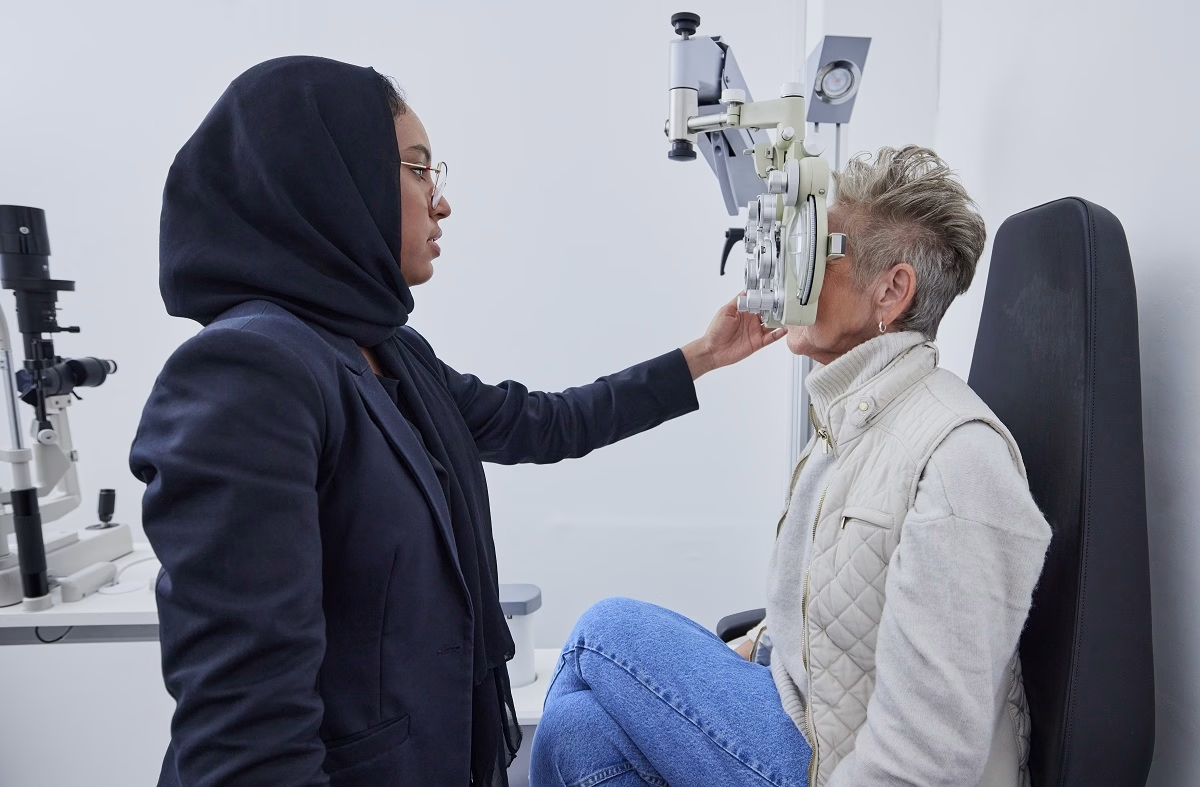
- Complete eye examination – During this procedure, doctors will check for eye irregularities linked to the disease.
- Questions – Doctors may also ask some questions about the symptoms and when they start.
- Blood tests – This test is used to measure the levels of vitamin A.
- Night vision test (also called dark adaptation testing) – This test is used to determine how well you can see in dim and darker light.
- Impression cytology – This is a specific test that helps identify conjunctival diseases.
- Electroretinogram – Doctors often use this test to measure the way your eyes respond to light.
Treatment
Generally, this condition is treated with dietary changes and vitamin A supplements. In severe cases, doctors may also prescribe other treatments such as topical antibiotics to treat an infection and others.
Frequently Asked Questions
What can I expect if I have xerophthalmia?
Most people who develop this condition often recover completely with treatment. If the condition is not treated, it leads to an increased risk of blindness (vision loss).
What are the complications of xerophthalmia?
The only way to prevent xerophthalmia complications is early diagnosis and proper treatment. Otherwise, it may lead to certain complications, including conjunctivitis, corneal ulcers, reduced vision, and even blindness. Some people may also develop mental health problems (such as depression).
What are the stages of xerophthalmia?
Commonly, this condition progresses in several stages. These include night blindness, conjunctival changes, corneal changes, and xerophthalmic fundus. Ask your healthcare professional if you have additional questions.