
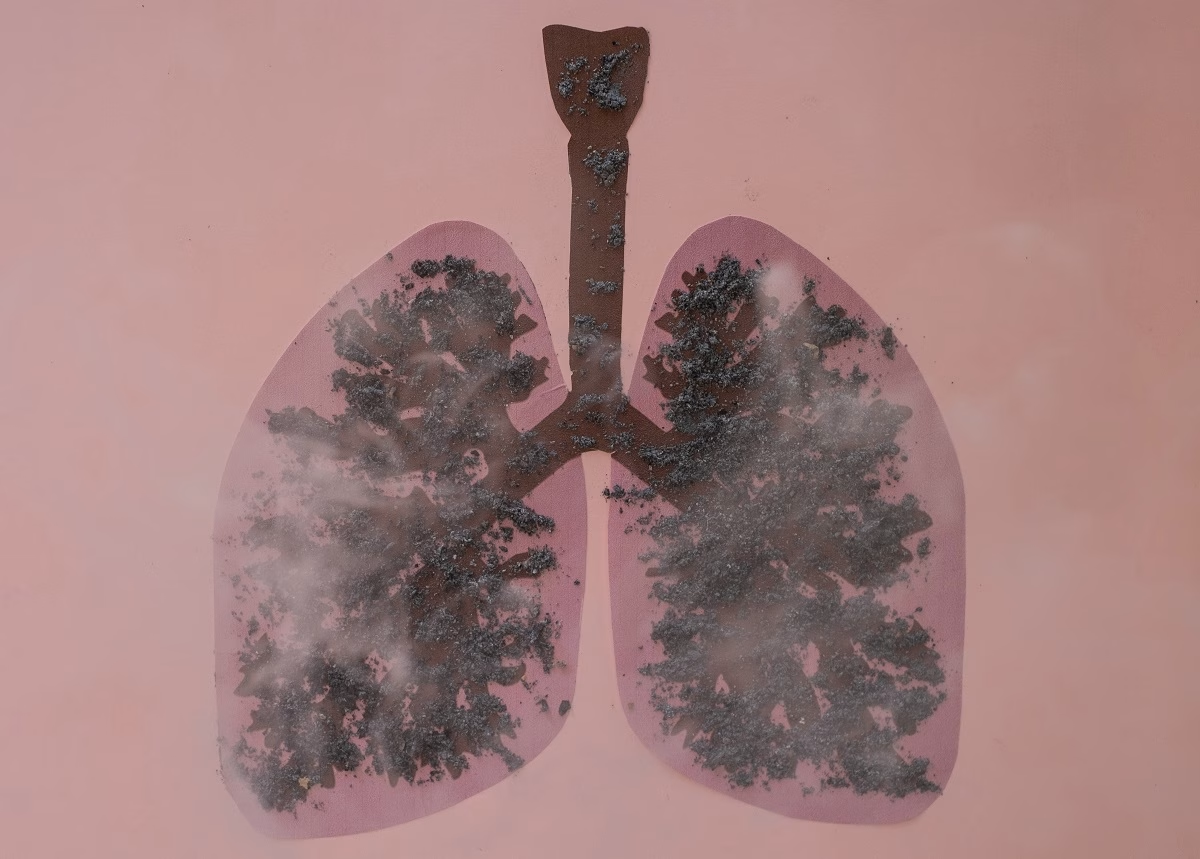
A condition in which scarring of the lung tissue occurs is called pulmonary fibrosis (PF). It affects the ability of the lungs to expand and get enough oxygen to the body. While it may occur due to certain medicines, environmental factors, or autoimmune diseases, in some cases, doctors cannot determine what exactly causes it. Usually, pulmonary fibrosis is a progressive disorder, which means it worsens over time.
In other words, pulmonary fibrosis is thickening and scarring in the lungs that negatively affects breathing. Moreover, it is a type of interstitial lung disease that impacts the tissue located between air sacs in the lungs (also known as alveoli). Sometimes, it is called progressive pulmonary fibrosis. When your doctor cannot determine the exact cause of this condition, it is called idiopathic pulmonary fibrosis. In addition, most diagnosed cases are idiopathic.
Symptoms
People who develop pulmonary fibrosis usually experience the following symptoms. Check below some examples:
- Dyspnea (shortness of breath), especially during or soon after physical activity
- Dry cough that does not disappear on its own
- Extreme tiredness (fatigue)
- Unusual weight loss
- Clubbed fingers
- Gray, white, or bluish skin around the lips, eyes, or nails (also known as cyanosis)
Any of the previous symptoms may indicate pulmonary fibrosis. However, there are other diseases that may cause similar symptoms. That’s why it is advised to see a doctor if any of them occur for a diagnosis and proper treatment. The sooner you get treatment, the lower the risk of developing serious complications.
Causes and Risk Factors
Some experts believe that PF occurs when the lungs do not heal properly from damage or inflammation. Check below some specific causes of PF:
- Connective tissue disease – These include systemic lupus erythematosus, rheumatoid arthritis (RA), and scleroderma.
- Environmental exposures – Prolonged exposure to certain substances significantly increases your risk of developing PF. For example, Asbestos, Silica, Beryllium, and others. Furthermore, hypersensitivity pneumonitis is a form of allergy to some molds, bacteria, or bits of bird feathers or droppings that may also contribute to PF.
- Granulomatosis disease – For example, sarcoidosis or Langerhans cell histiocytosis.
- Some medicines and treatments – Examples include Amiodarone, Nitrofurantoin, Methotrexate, and radiation therapy (cancer treatment).
- Smoking
In addition, while in most cases doctors cannot determine the exact cause of PF, they have identified some factors that may elevate your risk of developing it. Examples include:
- Age – People over 65 years old are more prone to PF.
- Sex – This condition can affect anyone, but it is mostly diagnosed in men.
- A family history of pulmonary fibrosis
- Genetic disorders – For example, dyskeratosis congenita (a rare form of bone marrow failure). In general, genetic disorders are caused by changes (mutations) in the DNA.
What Are The Possible Complications of Pulmonary Fibrosis?
People with this condition may also experience some complications, especially if they leave it untreated. Check below some examples:
- Collapsed lung
- Lung infections
- Respiratory or heart failure
- Pulmonary hypertension (high blood pressure in the lungs)
- Reduced oxygen levels in the blood and tissues
- Cor pulmonale
- Lung cancer
- Pneumothorax
- Thromboembolic disease
- Sleep apnea
This article does not contain a complete list of PF complications. In any case, you can consult with your healthcare professional about ways to reduce the risk or even prevent them.
How to Prevent Pulmonary Fibrosis?
While most causes of PF are not preventable, you can take some steps to reduce the risk. For example:
- Avoid harmful substances, including metal dust, chemicals, or Asbestos. You should also wear a respirator if you have to work with them.
- Find and avoid things that cause allergic reactions, including hay, grain, bird droppings or feathers, and others.
- Stop smoking – If you have problems with smoking cessation, discuss it with your physician.
Diagnosis
In some cases, it can be difficult to diagnose this condition, and doctors may conduct several tests. However, the diagnosis often begins with a physical examination to detect abnormalities associated with the disease. Physicians may also ask some questions about your medical history and symptoms. Check below some tests and procedures often used to confirm or rule out PF:
- Chest X-ray
- High-resolution CT (HRCT) scan
- Pulmonary function tests
- Blood tests (including the arterial blood gas)
- Bronchoscopy
- Biopsy – During this procedure, doctors will take a small sample of the affected tissue for testing under a microscope
Sometimes, they may also perform an echocardiogram to rule out heart disease.

Treatment
Unfortunately, there is no way to cure this condition. That’s why the treatment goal is to reduce the symptoms, slow down progression, prevent life-threatening complications, and improve your quality of life. Check below some common options often recommended for people with pulmonary fibrosis:
- Antifibrotic medicines – The following medicines may help slow down lung scarring. Usually, physicians recommend Nintedanib or Pirfenidone.
- Corticosteroids – This group of medicines is used to reduce inflammation caused by disease.
- Oxygen therapy – In advanced stages of the disease, people may need additional oxygen. It is often delivered through a mask or tube to the nose.
- Pulmonary rehabilitation – This treatment involves specific breathing exercises that can make your lungs stronger and breathing easier.
- Lung transplant – Sometimes, doctors may recommend a lung transplant. Usually, when other treatments do not work or if you develop a severe form of PF.
- Clinical trials – Interested People, healthcare professionals may help you join a research study of new medications that may help.
If you develop PF due to an underlying condition, doctors may also prescribe additional treatments.
Frequently Asked Questions
When should I go to the ER?
Immediately call 911 or go to the nearest emergency room (ER) if you experience any of the following symptoms. These include severe and sudden trouble breathing, chest pain, confusion, bluish skin, lips, or nails.
How long can a person live with pulmonary fibrosis?
The average life expectancy of a person with idiopathic PF is 3 to 5 years. However, some new treatments in recent years have made people with PF live longer.
How do I take care of myself?
Once you are diagnosed with PF, doctors may recommend regularly washing your hands with soap and warm water, disinfecting surfaces, avoiding crowded places (especially during the cold or flu season), and getting vaccinated against the flu, RSV, and COVID. Ask your healthcare professional if you have any other questions.