
A condition in which a person has high protein levels in the urine is called proteinuria. While it can occur due to harmless causes (such as heavy exercise or dehydration), it may also occur due to more serious health problems, including immune disorders, kidney disease, and others. Typically, treatment varies among individuals because it depends on the specific cause.
Furthermore, proteins have multiple important functions in the body. For example:
- Building muscles and bones
- Help the immune system fight infections
- Repair damaged tissue
- They also regulate the amount of fluid in the blood
Normally, the proteins should remain in the blood. If they enter the urine and leave the body, it may lead to serious health problems.
In general, proteinuria is considered a common condition that affects about 6.7% of people in the U.S.
Is Protein in Urine Serious?
This is a serious disorder that may significantly increase your risk of heart and cardiovascular disease. Sometimes, proteinuria indicates chronic kidney disease (CKD) in an early stage. However, you may have CKD with normal protein levels in the urine. This disorder causes loss of kidney function over time. In most cases, people with CKD need dialysis, kidney replacement therapy, or a kidney transplant. Moreover, the most common causes of CKD are diabetes and hypertension (high blood pressure).
Symptoms
While most people do not have symptoms in the early stages of the condition, you may notice the following symptoms when the disease advances. Check below some examples:
- Tiredness
- Dyspnea (shortness of breath)
- Frequent urination
- Edema (swelling in the face, abdomen, feet, or ankles)
- Nausea
- Vomiting
- Appetite changes
- Muscle cramping during the night
- Bubbly or foamy urine
- Puffiness around the eyes (especially in the morning)
Previous symptoms may also occur in people with CKD. That’s why it is important to see a doctor for a diagnosis if you experience any of the symptoms listed above.
Causes
Usually, people develop this condition due to benign (noncancerous) or temporary disorders. These include:
- Hypotension (low blood pressure)
- Kidney stones
- Inflammation
- Dehydration
- Intense exercise
- Aspirin therapy (administering Aspirin every day)
- Exposure to cold temperatures
- Stress
However, there are more serious health conditions that can damage the kidneys and cause proteinuria. Check below some of them:
- Some immune disorders (including lupus and Goodpasture’s syndrome)
- Acute kidney inflammation (also known as glomerulonephritis)
- Plasma cell cancer (multiple myeloma)
- Intravascular hemolysis (a condition that destroys red blood cells, causing hemoglobin to enter the bloodstream)
- Cardiovascular conditions
- Preeclampsia (in such cases, proteinuria and hypertension develop simultaneously in a pregnant woman)
- Poisoning
- Trauma
- Kidney cancer
- Congestive heart failure
In normal circumstances, the amount of protein in the urine should not be more than 150 milligrams per day. If you have more protein in the urine, it indicates proteinuria. However, if you have 3 to 3.5 grams or less of protein in the urine, it may also indicate a health condition. It is called nephrotic syndrome, and it occurs quite rarely. In people with this condition, the kidneys release too much protein in the urine.
Risk Factors
While anyone can develop this condition, some people are at increased risk of proteinuria. Examples include:
- Age – Older adults (over 65 years old) are more prone to proteinuria.
- Family history of kidney disease – If you have a parent or sibling with kidney disorders, your risk of developing proteinuria significantly increases.
- Health conditions that impact the kidneys – For example, chronic (long-term) hypertension, diabetes, and others.
- Race – Black, Hispanic, Native American, or Pacific Islander people are more likely to develop proteinuria.
- Certain types of blood cancer
- Obesity (excessive body weight)
- Pregnancy
- Heavy training
What Are The Potential Complications of Proteinuria?
People with proteinuria may also experience some complications, especially if they do not get treatment. Check below some examples:
- Chronic kidney disease (CKD)
- Terminal renal disease (TRD)
- Acute kidney injury
- Increased risk of cardiovascular disease, blood clots, and infections
- High blood pressure
- Edema
- Decreased life expectancy
The previous list does not contain a complete list of proteinuria complications, but you can talk with your doctor about ways to reduce the risk or even prevent the previous complications. In addition, there is no way to prevent proteinuria. However, you can take some steps to reduce the risk of developing it. These include managing chronic health conditions, lifestyle changes, and regular tests to monitor the level of protein in the urine.
Diagnosis
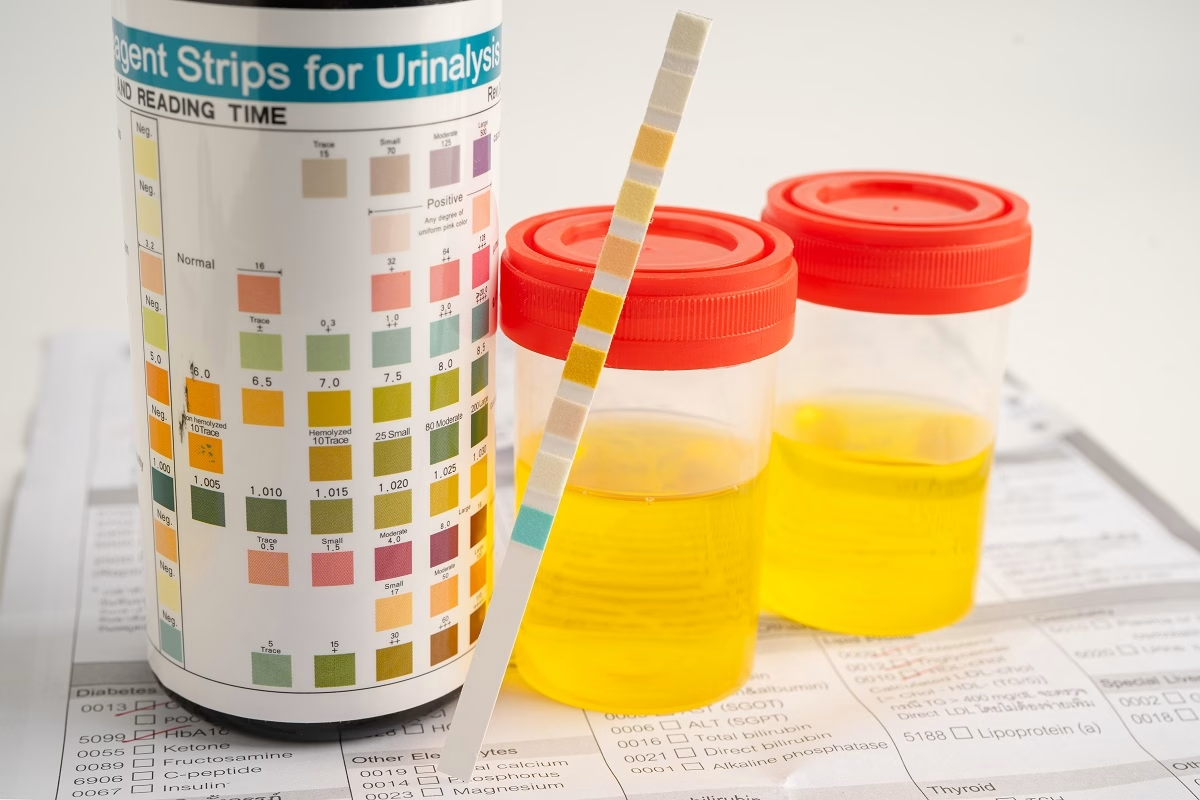
In most cases, doctors diagnose proteinuria by performing a dipstick test. During this procedure, you will pee into a container, and then your doctor will place a small plastic stick coated with specific chemicals into this container. If there is too much protein, the dipstick will change color. Therefore, physicians will perform a urine test (also called urinalysis) to examine the visual, chemical, and other aspects under a microscope. These include red and white blood cells, bacteria, and salt.
If your doctor suspects kidney disease or other disorders, you may need to perform urinalysis 2-3 times over 3 months. They may also perform other tests. For example:
- Creatinine clearance test – This is a chemical waste product that goes from the blood to the urine. In people with kidney problems, creatinine remains in the blood.
- Glomerular filtration rate (GFR) blood test – This test is used to compare the size, age, biological sex, and race to levels of creatinine and protein albumin in the blood. It also helps determine how well your kidneys are working or how far the kidney disease has advanced.
- Blood tests to measure all proteins in the serum
- Imaging tests – The following tests are used to get detailed images of different structures and organs in the body. Usually, doctors perform a CT (computed tomography) scan and an ultrasound. These tests help identify tumors, obstructions in the urinary tract, kidney stones, and other problems.
- Urine protein electrophoresis (UPEP) – This test is used to check for specific proteins in the urine.
- Immunofixation blood test (IFE) – During this test, doctors will use a small needle to get a blood sample from a vein in the arm or hand. Thereafter, this sample is tested to check for specific proteins in the blood.
- Kidney biopsy – This test is often performed by doctors when previous tests cannot confirm or rule out a kidney disease. To perform this test, doctors will take a small sample of the kidney to test it under a microscope.

Treatment
The treatment for proteinuria depends on the underlying cause. If you have this condition due to a kidney disease, doctors may recommend dietary changes, exercise, and medicines. They may also recommend antihypertensives or annual urine tests if you have hypotension. Sometimes, people with a mild form of proteinuria do not need treatment because it goes away on its own.
Home Remedies
Your doctor may also recommend the following remedies to improve the effectiveness of treatment. These include:
- Reduce the amount of protein you eat
- Limit salt intake
- Add to your diet more foods rich in fiber because they help reduce cholesterol and regulate blood sugar
- Stop smoking (if you have problems with smoking cessation, discuss it with your doctor)
- Regularly check your blood sugar
- Aim for at least 30 minutes of physical activity per day
- Do not administer NSAIDs (nonsteroidal anti-inflammatory drugs) without your doctor’s recommendation.
Frequently Asked Questions
Is proteinuria contagious?
While the condition itself is not contagious, your risk of developing it may increase if you have a family history of kidney disease.
What happens if you have proteinuria?
In general, proteins begin to leak into the urine when the kidneys do not work as they should. Kidneys contain glomeruli (small blood vessels) that help filter waste products and excessive fluids from the blood. Therefore, these waste products are eliminated from the body through the urine. Moreover, these glomeruli do not allow passage for large proteins, but small ones can pass through them, and the kidneys recover them back into the body.
Can drinking water reduce protein in urine?
Unfortunately, drinking more water will not help improve proteinuria. While you will urinate more frequently, the kidneys will continue to leak protein in the urine. If you have any other questions, ask your healthcare provider.