
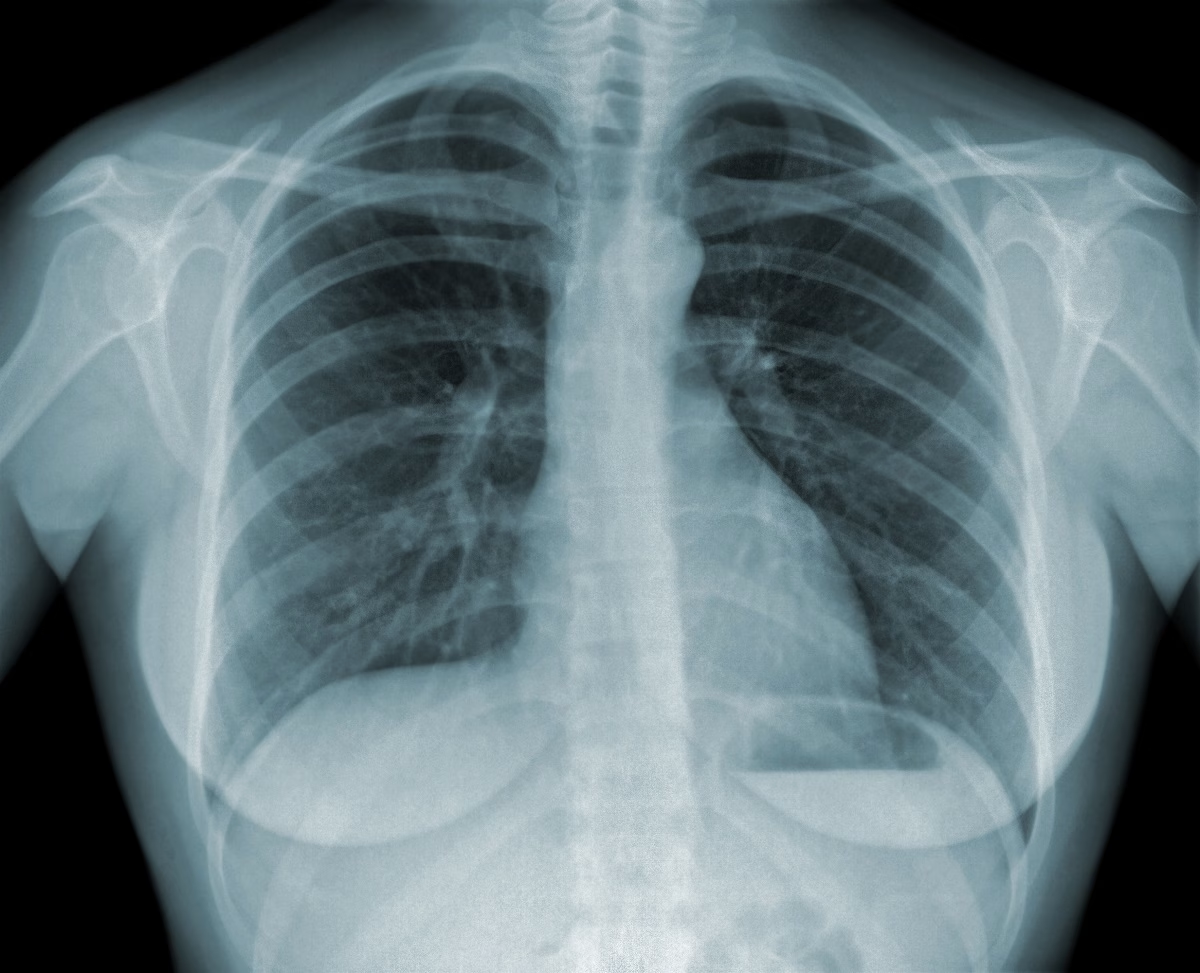
A condition in which fluid buildup occurs around the lungs is called pleural effusion. The excessive fluid is often drained through a procedure or medicine. It is also very important to diagnose and treat the disorder that has caused pleural effusion. In such cases, treatments range from medications to surgery. Follow the doctor’s instructions carefully because this disorder can return.
Sometimes, this disorder is called “water in the lungs”. In normal circumstances, everyone has a small amount of fluid in their pleura (membranes that line the lungs and chest cavity). It works like a natural lubricant that helps the lungs move when you breathe. In people with pleural effusion, the body produces too much of this fluid or does not absorb it enough.
In general, this disorder occurs very commonly and affects about 1.5 million people in the U.S per year.
Types of Pleural Effusion
Physicians have divided this disorder into 2 types, according to what exactly causes it. For example:
- Transudative (protein-poor and watery) – Usually, this type of fluid comes from certain disorders (such as heart failure or cirrhosis).
- Exudative (protein-rich) – In such cases, the fluid comes from cancer or an infection. This type occurs when too much fluid is getting through the smallest blood vessels, or the lymphatic system is not able to drain enough.
Symptoms
In some cases, people may experience unrelated symptoms due to the disease or disorder that caused pleural effusion. Check below some symptoms of this disorder:
- Chest pain that can occur along with a cough
- Dyspnea (shortness of breath)
- Orthopnea (in such cases, people are not able to breathe easily unless they are sitting up straight or standing up)
Some people can develop pleural effusion without symptoms. In such cases, the disorder is found accidentally on an X-ray done for other reasons.
Causes and Risk Factors
In general, there are multiple causes of pleural effusion. Furthermore, some people may have more than one. Doctors usually determine the cause of this disorder depending on the type you experience (transudative or exudative).
Transudative Pleural Effusion Causes
These include:
- Heart failure
- Cirrhosis
- Nephrotic syndrome (a kidney problem)
Exudative Pleural Effusion Causes
For example:
- Pneumonia
- Cancer (such as lung cancer, breast cancer, lymphoma, and others)
- Kidney disease
- Inflammatory disease
- Post open-heart surgery
While previous causes are the most common, there are other, less common causes of pleural effusion. Examples include:
- Autoimmune disorders (such as lupus)
- Chylothorax
- Exposure to Asbestos
- Infections of the abdomen and chest
- Bleeding from chest trauma
- Tuberculosis
- Esophageal rupture
- Pancreatitis
- Ovarian hyperstimulation syndrome
- Some medications
- Abdominal surgery
- Cancer treatments (such as chemotherapy, radiation therapy, and others)
- Meig’s syndrome (a benign ovarian tumor)
In addition, healthcare providers have identified some factors that could elevate your risk of developing pleural effusion. These include the use of tobacco products, misuse of alcoholic drinks and recreational drugs, certain health conditions, and prolonged exposure to chemicals.
Complications
People who develop this disorder may also experience some complications, especially if they do not have symptoms or do not get treatment. Check below some of them:
- Significant damage to the lungs
- Scarring around the lungs
- An infection that can become an abscess
- Chest pain
- Pneumothorax (collapsed lung)
- Hypoxia (reduced oxygen levels in the blood)
- Pulmonary edema
- Respiratory failure
This article does not contain a complete list of pleural effusion complications. However, anytime you can talk with your doctor about measures to reduce the risk or even prevent the long-term effects of this disorder.
How to Prevent Pleural Effusion?
Unfortunately, not every time is it possible to prevent this condition. However, doctors may recommend some tips to reduce the risk. For example:
- Quit smoking – If you face problems with smoking cessation, discuss it with your physician
- Avoid exposure to chemicals or use protective equipment
- Choose a low-salt diet
- Limit fluid intake
- Administer diuretics (also known as water pills) exactly as recommended by your doctor
Diagnosis
Usually, the diagnosis of this condition begins with a physical examination to check for irregularities linked to the disease. Physicians may also ask some questions about the symptoms and medical history to get more clues about the disease. However, to confirm or rule out pleural effusion, doctors usually perform the following tests and procedures. For example:
- Chest X-ray
- CT (computed tomography) scans
- Ultrasound of the chest
- Thoracentesis or biopsy – These procedures involve getting a sample of the fluid from the lungs for testing.
- Pleural fluid analysis – This procedure is used to analyze the fluid from the pleural space.
When previous tests cannot diagnose this condition, doctors may perform a thoracoscopy. It is a minimally invasive procedure in which they can see inside the body.

Treatment
The treatment goal is to remove excessive fluid and prevent it from collecting again. Usually, pleural effusion is treated with medicines, procedures, or surgery.
Medicines
In most cases, physicians prescribe diuretics and other heart failure medicines to remove excessive fluid from the body. Sometimes, people may need antibiotics to prevent or treat bacterial infections. However, if you develop pleural effusion due to a malignant (cancerous) tumor, physicians may recommend cancer treatments (such as chemotherapy or radiation therapy).
Procedures
In most cases, doctors use therapeutic thoracentesis or a chest tube to drain excess fluid that causes respiratory symptoms. However, even with drainage, the condition can be difficult to control or recur (such as from a malignancy). In such cases, physicians may put a sclerosing agent (a medicine that causes scarring) into the pleural cavity to create fibrous tissue of the pleura. According to some data, this medicine helps prevent about 50% of recurring cases.
Surgery
When previous treatments do not work, physicians may recommend surgery to drain excessive fluid from the pleural cavity. However, you can discuss with your doctor about the benefits and risks of surgery. Check the two types of surgery often used to treat pleural effusion below:
- VATS (video-assisted thoracoscopic surgery) – This is a minimally invasive procedure in which surgeons will make several small incisions (cuts) in the chest. Therefore, the surgeon will insert a sterile talc or antibiotics during surgery to prevent the fluid from building up again.
- Thoracotomy – This is an open thoracic surgery in which surgeons will remove all fibrous tissue, which often helps clear the infection from the pleural cavity.
Moreover, previous treatments and procedures can also cause some complications. These include blood clots, pulmonary edema, arrhythmia (irregular heart rhythm), pneumothorax, and others.
Frequently Asked Questions
How long does it take to recover from this treatment?
If you develop a mild form of pleural effusion, you may recover within a few days. In more severe cases, you may need to stay in the hospital for several days to weeks to recover completely. For more details, discuss it with your doctor.
How serious is pleural effusion?
Generally, the seriousness of the disorder varies from mild to life-threatening. It usually depends on the exact cause of the condition, existing health problems, your response to treatment, age, and other factors.
Can pleural effusion go away on its own?
Yes, if you develop a mild form of the disease, it can go away on its own and does not cause any symptoms. For instance, if pleural effusion is caused by a viral infection, it may go away when you treat this underlying condition. Ask your healthcare provider if you have additional questions.