
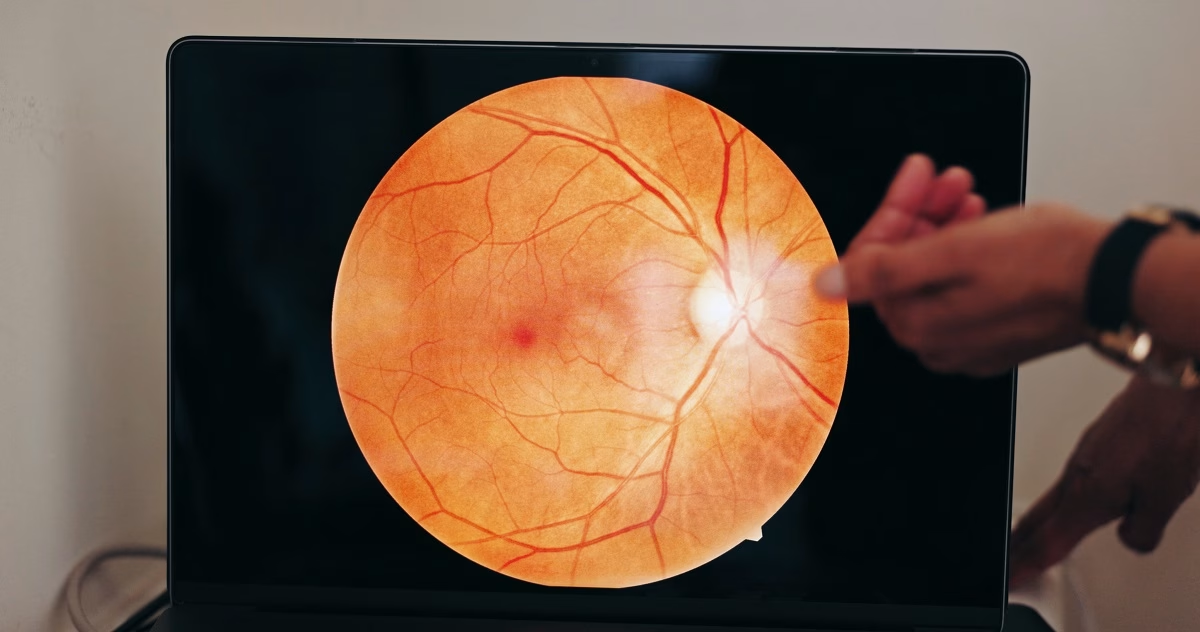
A rare eye condition that often occurs in people with carotid artery disease is called ocular ischemic syndrome (OIS). It occurs due to reduced blood flow caused by a buildup of plaque in a carotid artery. Usually, people with ocular ischemic syndrome may experience eye pain and vision problems. The treatment goal is to reduce the symptoms (such as vision issues) and reduce the risk of stroke.
In some cases, this eye disorder can be the first sign of carotid artery disease. Moreover, if you have this condition, your risk of developing myocardial infarction or stroke significantly increases. This condition can be understood better if we break down the meaning of each word. For example:
- “Ocular” – This is a medical term for the eyes.
- “Ischemic” – This medical term refers to reduced blood flow often caused by atherosclerosis. It causes hardening or narrowing of the arteries. People with atherosclerosis are at increased risk of developing carotid artery disease.
- “Syndrome” – This medical term is used to describe multiple disorders or symptoms that happen together.
Symptoms
While some people do not experience any symptoms, others may notice the following ones. Check below some examples:
- Dull or aching eye pain that often comes and goes
- Increased eye pressure
- Dilated or enlarged pupils (these are black circles in the center of each eye)
- Eye floaters
- Sudden or gradual loss of vision
- Transient vision loss
- Photophobia (sensitivity to light)
- Diplopia (double vision)
If you or a loved one experiences any of the previous symptoms, immediately contact your healthcare professional.
Causes
Usually, ocular ischemic syndrome occurs due to carotid artery disease (also known as carotid artery stenosis). The word “stenosis” means a narrowed artery. In general, the carotid arteries are localized in the neck, and they carry oxygen-rich blood to the tissues in the head and neck (including the brain). However, in people with carotid artery disease, plaque deposits (also called atheroma) are made of fatty substances that build up in one or both carotid arteries.
Normally, the ophthalmic arteries branch from the carotid arteries, which deliver blood to the eyes. Check below some less common causes of ocular ischemic syndrome:
- Carotid artery dissection
- Vasculitis, including Takayasu’s arteritis, giant cell arteritis (GCA), and Behcet’s disease
- Fibrovascular dysplasia
- Scleroderma
- Moyamoya disease
Risk Factors
This eye disorder occurs very rarely, but there are some factors that may increase your risk of developing it. In general, ocular ischemic syndrome affects about 8 in 1 million people. Check below some risk factors:
- Age – While this condition can affect anyone, it tends to occur in people between the ages of 50 and 80.
- Sex – Males are twice as likely to develop ocular ischemic syndrome as females.
- Cardiovascular diseases
- CAD (coronary artery disease)
- Diabetes
- Hypertension (high blood pressure)
- Obesity (excessive body weight)
- Smoking
- Previous transient ischemic attack (TIA or mini-stroke)
- Stroke
What Happens if Ocular Ischemic Syndrome is Left Untreated?
People with this eye condition may also experience some complications, especially if they do not get treatment. Examples include:
- Neovascularization – This complication causes abnormal blood vessels on the iris and retina.
- Neovascular glaucoma – It often occurs when new blood vessels block the eye’s drainage system, causing increased pressure in the eye.
- Ischemic retinopathy – In such cases, the retina may develop a pattern of mid-peripheral hemorrhages similar to arterial occlusion.
- Ischemic optic neuropathy – This complication occurs when the optic nerve is damaged. Therefore, it may lead to swelling or atrophy.
- Vitreous hemorrhage – Bleeding (hemorrhage) in the vitreous gel may occur due to new blood vessels on the retina or optic disk break.
- Anterior segment inflammation
- Hypotony – This complication occurs less commonly and causes low eye pressure. It happens due to reduced aqueous humor.
- Cataracts
- An increased risk of stroke, heart attack, and death
The previous list does not contain all possible complications of ocular ischemic syndrome. In any case, you can talk with your doctor about ways to reduce the risk of developing them.
How to Prevent Ocular Ischemic Syndrome?
Usually, doctors recommend the following lifestyle changes to reduce the risk of developing ocular ischemic syndrome. Check below some examples:
- Dietary changes – In most cases, doctors recommend heart-healthy diets, such as the Mediterranean diet.
- Stress management
- Try to get and maintain a healthy weight
- Stop smoking – If you have problems with smoking cessation, discuss it with your healthcare professional.
- Regularly perform physical exercise
- Manage chronic health conditions, such as diabetes, hypertension (high blood pressure), high cholesterol, and others
Diagnosis
Sometimes, it is difficult to diagnose this condition because the symptoms resemble other diseases. For example, diabetes-related retinopathy, central retinal vein occlusion (CRVO), and others. If your doctor suspects ocular ischemic syndrome, you may be referred to an ophthalmologist. Thus, they will perform the following tests to confirm or rule out this rare eye condition. These include:
- Eye examination – During this procedure, doctors will perform an optical coherence tomography (OCT), electroretinography, and visual-evoked potentials.
- Fluorescein angiogram – This test is used to check for the time it takes for the blood to reach the eye. It may also show leakage in the blood vessels of the eye.
Physicians may also perform the following tests to check for carotid artery disease. For example:
- Carotid artery duplex vascular ultrasound
- CT (computerized tomography) scans
- Carotid angiogram
- MRA (magnetic resonance angiogram) scans
Treatment
Usually, treatment for ocular ischemic syndrome requires a healthcare team. They often prescribe different treatments to treat ocular ischemic syndrome as well as carotid artery disease. Additional treatments may be needed if you develop this eye disorder due to other health conditions. Check below some treatments for ocular ischemic syndrome:
- Eye injections of anti-vascular endothelial growth factor (anti-VEGF) medicines or steroids to treat a swollen retina.
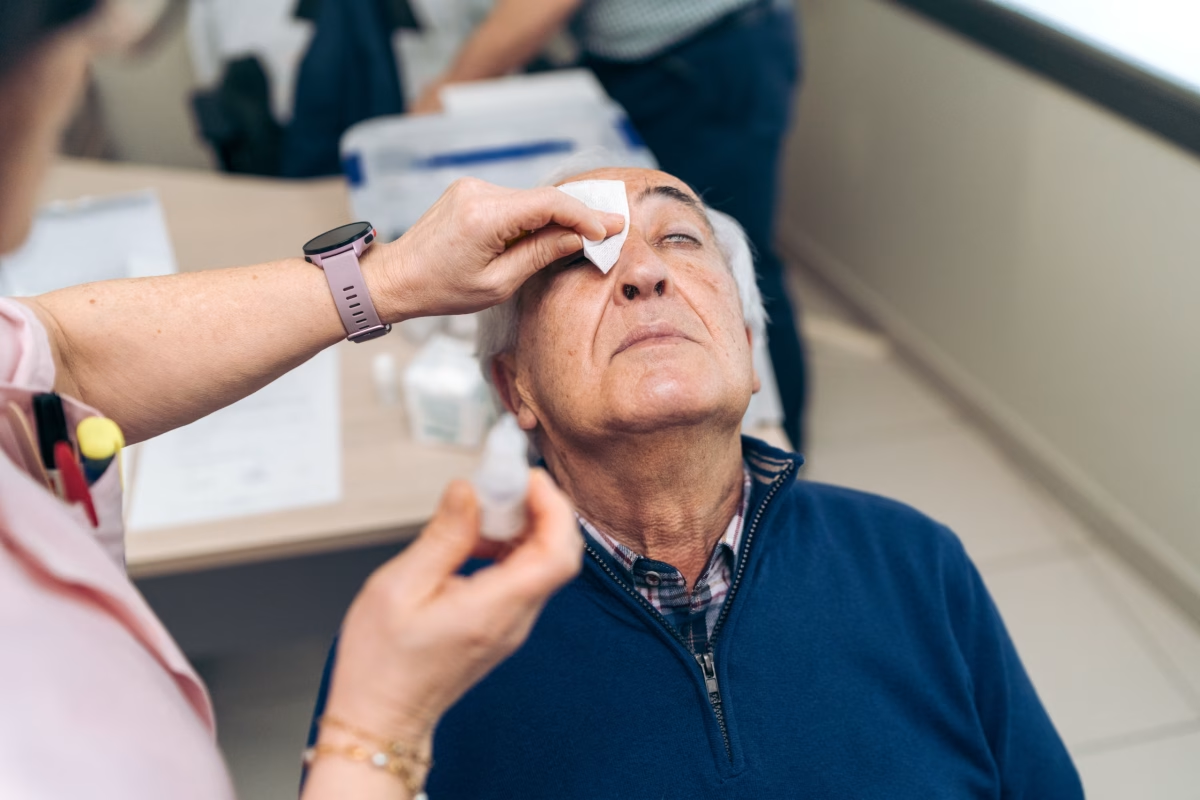
- Eye drops to reduce intraocular pressure and inflammation
- Laser treatments – These treatments are often used to reduce the risk of ocular hypertension.
Check below some treatments for carotid artery disease:
- Blood thinners (also called anticoagulants) – These medicines are used to prevent blood clots and treat conditions such as diabetes and hypertension.
- Carotid angioplasty and stenting – During this procedure, doctors will open a narrowed artery and place a stent to keep it open.
- Carotid endarterectomy – This procedure is used to remove plaques from inside an artery.
Frequently Asked Questions
When should I call my healthcare provider?
It is recommended to contact your healthcare professional if you experience vision problems or eye pain without an obvious reason. Furthermore, call 911 or go to the nearest emergency room (ER) if you experience symptoms of a stroke or heart attack. These include slurred speech, one-sided weakness, or facial drooping.
What is the outlook for someone with ocular ischemic syndrome?
This rare eye disorder can be life-threatening. Furthermore, about 4 in 10 people die from a myocardial infarction or stroke within 5 years after getting the diagnosis. One sure way to reduce the risk of ocular ischemic syndrome is immediate medical care and lifestyle changes.
What is the main cause of OIS?
In most cases, people develop OIS due to carotid artery disease. This is a condition in which blood vessels that supply the eyes with oxygen-rich blood are narrowed or blocked. Therefore, it occurs due to atherosclerosis. Ask your healthcare provider if you have additional questions.

