
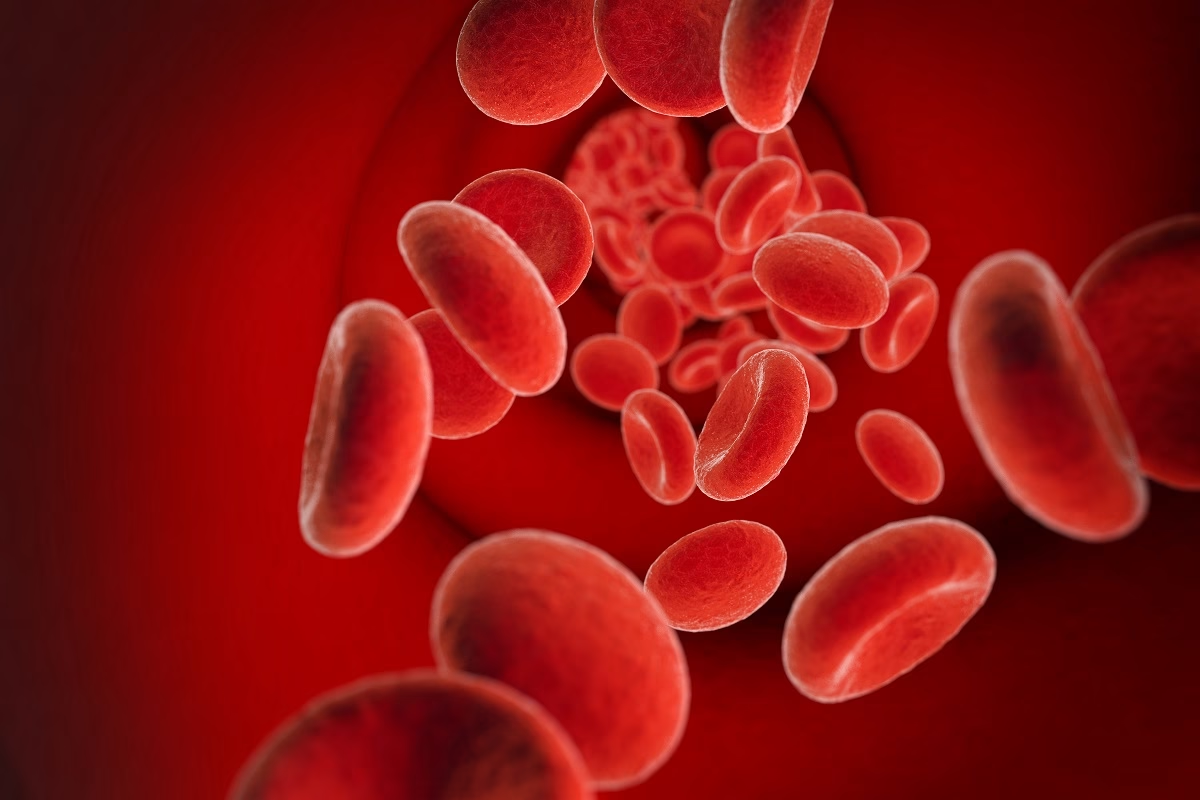
A rare blood disorder in which red blood cells are affected is called methemoglobinemia (MetHb). When it occurs, red blood cells cannot deliver oxygen throughout the body. While most people with this disorder do not have symptoms, sometimes, people may notice the following symptoms. These include blue or purple skin, nails, or lips.
Sometimes, this condition is called blue baby syndrome. MetHb can be congenital (present at birth) or acquired later in life. Although this condition is inherited, people often develop it when they administer certain medicines or recreational drugs or are exposed to certain chemicals for long periods. Most of the time, doctors prescribe medicines to reduce methemoglobin levels and reduce symptoms.
How Does This Condition Affect My Body?
Mostly, people who develop MetHb have some level of cyanosis. This is a condition in which the nail beds, tongue, lips, and skin turn light blue or purple. It happens when the body tissues and organs do not get enough oxygen-rich blood. In normal circumstances, red blood cells carry oxygen throughout the body. However, in people with this condition, there is a genetic mutation that turns hemoglobin into methemoglobin, which does not carry oxygen. As a result, the body gets less oxygen than it needs.
Symptoms
The symptoms are often different among people with MetHb because they depend on several factors. For example, the severity and form of the condition, existing health problems, the use of pain or recreational drugs, gender, and age. Check some symptoms of acquired MetHb below:
In some cases, people with an acquired form of MetHb can experience more severe symptoms that require immediate medical care. These include:
- Nausea
- Vomiting
- Extreme sleepiness, slurred speech, and slow reflexes (these symptoms often indicate central nervous system depression)
- Uncontrollable motions or loss of consciousness, which often indicate seizures
- Fast breathing, increased heart rate, and confusion are usually symptoms of metabolic acidosis
In general, congenital MetHb occurs very rarely, and there are a few cases documented worldwide. Healthcare professionals have divided this type of MetHb into 3 categories. These include type 1, type 2, and hemoglobin M disease (HbM). While people with type 1 MetHb and HbM often have cyanosis but are overall healthy, people with type 2 MetHb can experience severe neurological problems. They often happen within the first 9 months of age.
Causes
This condition can be present at birth (congenital) or happen after using specific recreational or pain medicines. Sometimes, methemoglobinemia can occur due to prolonged exposure to some chemicals or toxins.
Acquired Methemoglobinemia Causes
While some people develop MetHb due to some painkillers (including Benzocaine and Lidocaine) and an antibiotic called Dapsone, it may also happen in people who are exposed to nitrates used in certain medicines, nitrites (specific chemicals used in food preservatives and well water), and herbicides often used in agriculture. However, the use of recreational drugs (especially for long periods) may also cause multiple health problems (including MetHb). These include Amyl nitrite, Nitrous oxide, and local anesthesia.
Congenital Methemoglobinemia Causes
In general, there are 2 genetic mutations that cause this type of MetHb. People with type 1 and type 2 methemoglobinemia often have a mutation in their CYB5R gene. Thus, it negatively affects the balance of hemoglobin and methemoglobin in the red blood cells. However, in people with hemoglobin M disease, there are multiple hemoglobin M gene mutations.
Moreover, the congenital form of this condition is an autosomal recessive disorder, which means both parents carry and pass the abnormal gene to their biological children. Hemoglobin M disease is autosomal dominant, and it occurs even if one parent carries the abnormal gene and passes it to the biological child.
What Happens if Methemoglobinemia is Left Untreated?
People who develop this condition may also experience some complications, especially if the condition is left untreated. Check some examples below:
- Tachycardia (fast heartbeats)
- Arrhythmia (irregular heart rhythm)
- Hemolytic anemia
- Dyspnea (shortness of breath)
- Heart failure
- Myocardial infarction (also known as a heart attack)
- Metabolic acidosis
- Acute renal failure
- Lethargy
- Coma and death
While the previous list does not contain a full list of complications, you can consult with your physician about measures to reduce the risk or even prevent those listed above.
How to Prevent Methemoglobinemia?
People who inherit MetHb should avoid toxic substances (including pesticides, local anesthesia, and other medicines) because they can increase methemoglobin levels. Furthermore, this condition may occur later in life in people who use certain recreational drugs (including Amyl nitrite or cocaine), but you can talk with your doctor about preventive measures. In addition, never start or quit using recreational drugs without a doctor’s approval because it may lead to serious health conditions.
Diagnosis
Usually, the diagnosis starts with a physical examination and questions about your symptoms and medical history. However, to confirm or rule out MetHb, physicians will perform the following tests. These include:
- Blood tests – In most cases, people with this condition have dark brown-colored arterial blood, which is a sign that arterial blood is not carrying oxygen.
- MetHb evaluation – Doctors use this test to measure methemoglobin levels in the blood.
- Genetic test – This test involves a blood sample to check for the abnormal genes that cause MetHb.
- Genotyping – During this test, doctors will examine your DNA for signs of genetic differences that may indicate congenital methemoglobinemia.
- Hemoglobin electrophoresis – This is a specific procedure that helps doctors examine red blood cells. Moreover, this test can diagnose HbM.
Treatment
Commonly, doctors recommend different treatments for people with MetHb. It depends on the type and severity of the condition, other existing health problems, gender, age, and preferences. In some cases, people with type 1 methemoglobinemia or hemoglobin M disease do not need treatment, but doctors may recommend the following options for some people. These include:
- Methylene blue – This is an antidote for methemoglobinemia.
- Vitamins C and B2
The treatment for acquired methemoglobinemia varies significantly among people because sometimes it is a medical emergency that requires immediate treatment (such as IV fluids and additional oxygen).
Additionally, people who already have G6PD deficiency may develop hemolysis, especially after using methylene blue for long periods. Hemolysis is a health condition in which the red blood cells fall apart earlier or inappropriately.
Frequently Asked Questions
Who is most likely to get methemoglobinemia?
Babies under 6 months of age, people with genetic enzyme deficiencies (such as G6PD deficiency), patients who are exposed to nitrates or nitrites for long periods, and certain medicines (such as local anesthesia) are at higher risk of developing methemoglobinemia.
Will methemoglobinemia go away?
While mild cases do not need treatment and often disappear on their own, methemoglobin levels often return to normal as long as the offending agent is identified and discontinued. For more details, discuss it with your physician.
What is the life expectancy of someone with methemoglobinemia?
While people with the first type of MetHb have a normal life expectancy, those who suffer from the second type usually do not survive past early adulthood. If you have additional questions, ask your healthcare provider.