
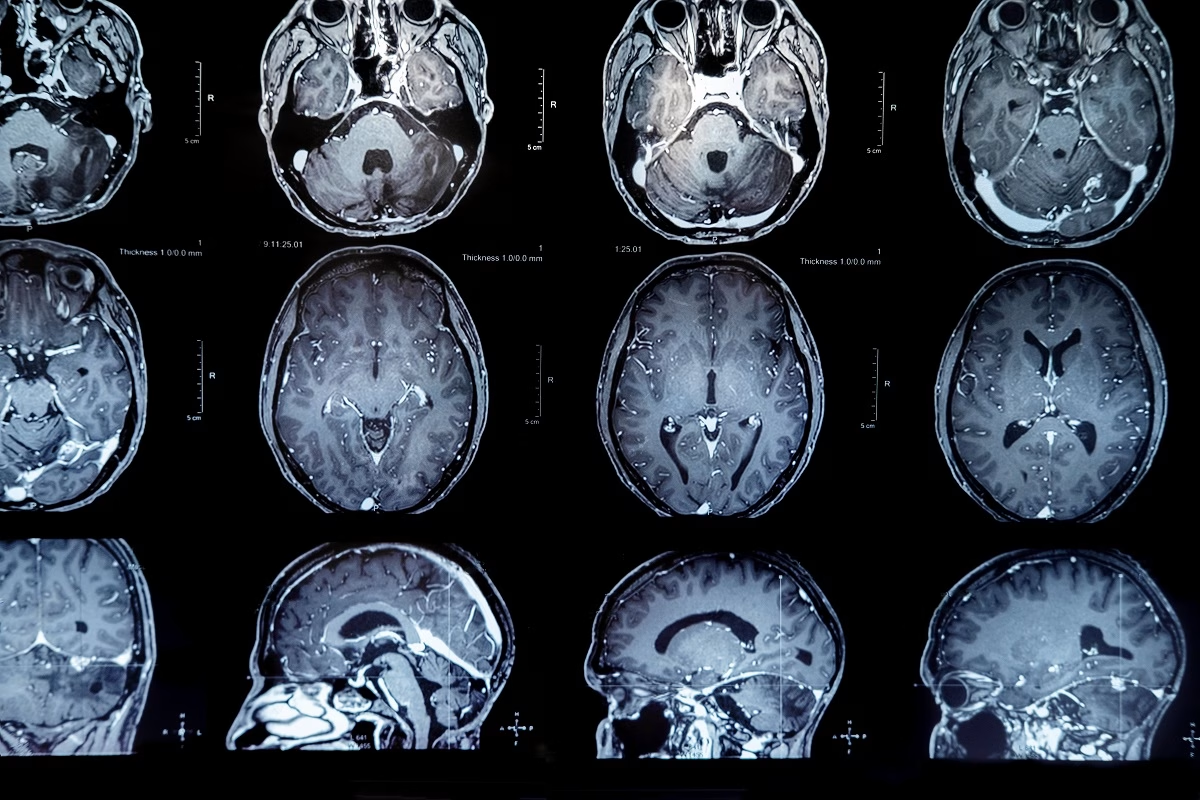
A type of tumor that develops in the meninges (the protective layers of tissue that cover the brain and spinal cord) is called meningioma. Furthermore, it is the most common type of brain tumor, and most of them are benign (noncancerous).
Most of the time, tumors grow near the top of the outer curve of the brain, but they may also form at the base of the skull. In rare cases, meningiomas can develop around the spine. These tumors usually grow slowly, and most people do not know about them. Commonly, people begin to experience symptoms when the tumor is large enough to put pressure on the brain or nearby tissues.
Types of Meningioma
Doctors divided this type of tumor into several categories based on the location of the tumor. For example:
- Convexity meningiomas – These tumors grow on the surface of the brain.
- Intraventricular meningiomas – In such cases, the tumors appear within the ventricles of the brain. These ventricles carry cerebrospinal fluid (CSF).
- Olfactory groove meningiomas – People with this type of meningioma have a tumor between the brain and nose, at the base of the skull. Furthermore, this type of meningioma grows near the olfactory nerve, which gives you the sense of smell.
- Sphenoid wing meningiomas – People with this type of meningioma have tumors along the ridge of bone behind the eyes.
Symptoms
Most meningiomas are slow-growing tumors that, in the early stages, do not cause any symptoms. Check the most common symptoms of meningioma below:
- Vision problems (including bulging eyes, double vision, blurred vision, and others)
- Muscle weakness
- Seizures
- Loss of smell
- Hearing loss (deafness)
- Headaches
- Memory problems
If you experience any of the previous symptoms, do not hesitate to visit a doctor because it may indicate a meningioma.
Causes and Risk Factors
In most cases, meningiomas appear due to a chromosomal deletion. In other words, it is a genetic mutation where a part of a chromosome is missing. It often occurs randomly (sporadically), or you may inherit them as a part of the following health conditions. For example:
- Multiple endocrine neoplasia type 2
- Neurofibromatosis type 2
- Von Hippel-Lindau disease
- Cowden syndrome
- Li-Fraumeni syndrome
Healthcare professionals have identified some factors that may elevate your risk of developing meningiomas. Check some of them below:
- Radiation exposure – This is a primary risk factor for meningiomas. Previous radiation surgery to the head or neck may also increase the risk.
- Gender – In general, meningiomas mostly affect women due to hormonal changes (particularly with Progesterone and Estrogen). However, cancerous meningiomas mostly affect men.
- Genetic factors – Certain abnormal genes that occur randomly or are inherited from the biological parents may also increase your risk for meningioma.
- Obesity (excessive body weight)
- Race – There is an increased risk for Black individuals to develop meningiomas, according to some studies.
- Age – Meningiomas are mostly diagnosed in older adults (over 65 years old).
- Head trauma
- Cancer history
- Hormone therapy
Complications and Prevention
People who leave this tumor untreated may experience some complications. Check some examples below:
- Neurological problems – These include weakness, numbness, or tingling in arms or legs.
- Cognitive and behavioral changes – For example, personality changes, confusion, memory loss (amnesia), and others.
- Sensory and cranial nerve problems – This complication often causes hearing loss, loss of smell, ringing in the ears (tinnitus), facial pain, and others.
- Vision changes
- Increased intracranial pressure
- Speaking problems
- Paralysis
This article does not contain all possible complications of meningioma. In any case, you can talk with your doctor about ways to reduce the risk or prevent them. Unfortunately, there is no way to prevent meningiomas because most of them occur for unknown reasons. However, doctors may recommend some tips to reduce the risk. These include maintaining a healthy lifestyle (including regular exercise, dietary changes, and others), monitoring genetic risk, managing hormonal use, limiting radiation exposure, and others.
Diagnosis
Generally, it is difficult to diagnose meningiomas in the early stages because they do not cause any symptoms. However, when doctors suspect a meningioma, the diagnosis begins with a physical and neurological examination to check for abnormalities linked to the disease. To confirm or exclude meningiomas, doctors often perform the following imaging tests. These include a CT (computerized tomography) scan or an MRI (magnetic resonance imaging) scan.
Grades of Meningioma
Once you are diagnosed with a meningioma, doctors may perform additional imaging tests to determine how severe the tumor is. It often helps make the best treatment plan for you. For example:
- Grade I (typical) – This grade indicates a noncancerous tumor that grows slowly. Most people with meningioma have this grade.
- Grade II (atypical) – The tumor is still noncancerous, but grows more quickly and can be more resistant to treatment.
- Grade III (anaplastic) – If you are diagnosed with this grade, the tumor is cancerous (malignant), which grows quickly and may spread to other parts of the body.
Moreover, malignant meningiomas occur very rarely.
Treatment
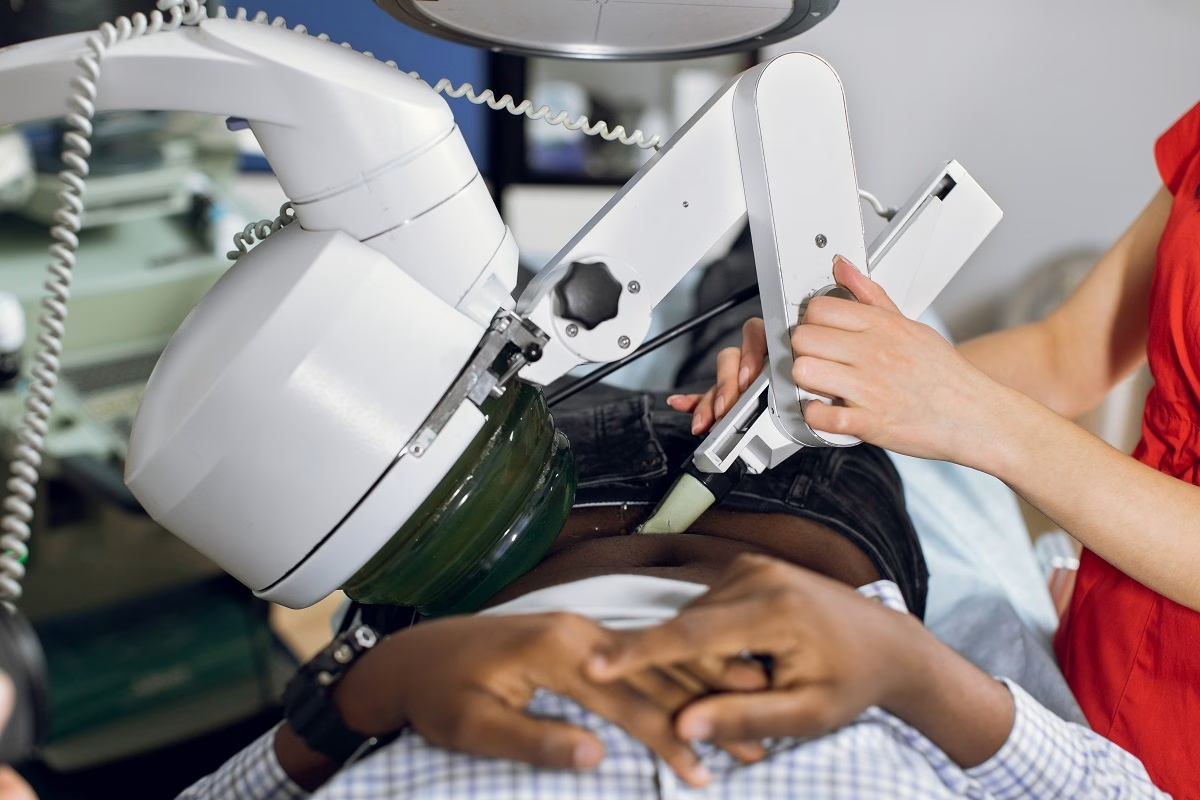
Doctors often prescribe different treatments because they depend on some factors. For example, the type and severity of the tumor, existing health problems, age, gender, and preferences. Mostly, doctors recommend a combination of the following treatments for people with meningiomas. Examples include:
- Watchful waiting – Some people with small tumors that do not cause any symptoms may not need treatment. However, doctors often recommend regular checkups to monitor the tumor size.
- Surgery – During this procedure, surgeons will remove the tumor, which can cure meningiomas. However, this treatment is not an option for everyone.
- Radiation therapy – This therapy uses powerful energy beams to destroy cancer cells. Usually, the energy used in radiation therapy comes from protons or X-rays, but it may also come from other sources.
- Radiosurgery (Gamma Knife) – This treatment delivers a blast of radiation to help stop the growth of the tumor. Usually, it is used for small and noncancerous meningiomas.
- Palliative care – This option involves reducing the symptoms and support from your family to feel better during treatment.
- Chemotherapy – This cancer treatment is rarely prescribed for people with meningiomas, and it involves strong medicines that help destroy cancerous cells throughout the body. It can be used before surgery to shrink a large tumor or after surgery to destroy cancerous cells that may remain even after a successful surgery. Usually, physicians prescribe Bevacizumab.
However, meningiomas may return after treatment.
Frequently Asked Questions
When should I see my healthcare provider?
If you notice new or different symptoms, you should see a doctor right away. It is also recommended to see a doctor after you finish the treatment or if it does not work. They may perform additional tests to check for tumor recurrence.
What is the survival rate for meningiomas?
In general, for people with grade II and III tumors, the 5-year survival rate is about 65%. However, your doctor may give you the most accurate information based on your case.
How serious is meningioma?
In general, the seriousness of these tumors varies significantly. For instance, people with grade I tumors usually do not need treatment and do not have any symptoms, but if you develop grade II or III meningiomas, they may affect your lifespan, especially if they are left untreated. Ask your healthcare provider if you have additional questions.