
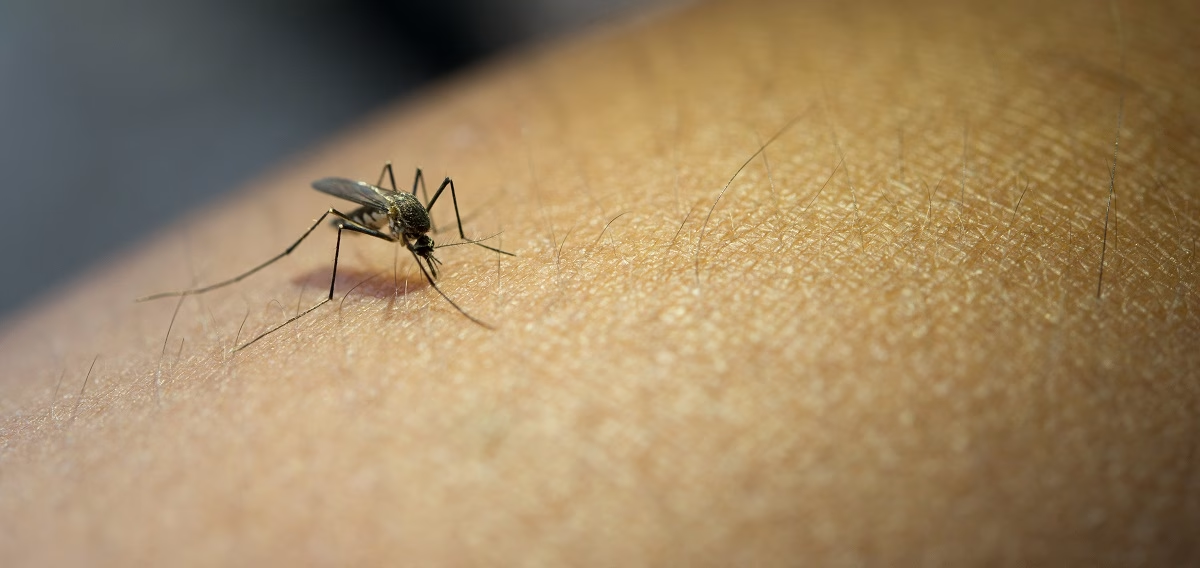
A serious parasitic infection that occurs due to an infected mosquito bite is called malaria. It is a potentially life-threatening infection, especially if it is left untreated. Commonly, it occurs in specific parts of the world that are hot and humid (such as Africa and parts of Asia). People who develop it often experience flu-like symptoms that progress to a severe illness. Moreover, children under 5 years old are at increased risk of developing malaria.
Symptoms
The symptoms of this parasitic infection often range from mild to severe and often begin as flu-like symptoms. Check some examples below:
- Fever
- Chills
- Headaches
- Muscle aches
- Seizures
- Nausea
- Vomiting
- Diarrhea
- Jaundice (yellowing of the skin and eyes)
- Dark or bloody urine
- Breathing problems
- Extreme tiredness (fatigue)
Usually, people infected with this infection start to experience symptoms within several days to a month of exposure to this parasite. Rarely, people may not develop any symptoms for a year or longer after the mosquito bite.
Causes and Risk Factors
The parasites that cause this infection are called Plasmodium parasites. In general, there are 5 types of this parasite that can infect humans. The most common of them include Plasmodium falciparum (P. falciparum) and Plasmodium vivax (P. vivax). A severe form of malaria often develop people who are infected with P. falciparum.
Usually, this parasite travels from one person to another through mosquitoes that bite an infected person and then bite a person who does not have this parasite. Thus, the parasite begins to grow and multiply in the liver and then spreads to the bloodstream. Check below some ways in which the parasites can spread to other people:
- Vertical transmission (such as pregnancy or childbirth)
- Blood transfusions
- Organ donations
- Sharing needles
In addition, healthcare professionals have identified some factors that could increase your risk of developing malaria. Examples include:
- Children younger than 5
- People with weakened immune system (such as due to HIV infection, immunosuppressants, and others)
- Limit access to healthcare
- Pregnancy
What Countries have Malaria?
This parasitic infection occurs more commonly in areas with warm temperatures and high humidity. Check some countries where malaria is common below:
- Central and South America
- Dominican Republic (including other areas in the Caribbean)
- Islands in the Central and South Pacific Ocean (also known as Oceania)
- South and Southeast Asia
- Africa
What Are The Possible Complications of Malaria?
People who develop this parasitic infection may also experience some complications. Check some of them below:
- Neurological complications (including brain swelling, attention disorders, visual impairment, confusion, seizures, or even coma)
- Severe anemia
- Bleeding disorders, including disseminated intravascular coagulation (DIC)
- Blackwater fever (this complication occurs due to massive red blood cell breakdown that leads to hemoglobin in urine and kidney damage)
- Pulmonary edema
- Metabolic acidosis
- Hypoglycemia (low blood sugar)
- Liver dysfunction
- Splenic rupture
If you notice any of the previous symptoms (especially in your child), immediately contact your healthcare provider. Otherwise, it may lead to death. If you are traveling in areas where malaria is common, consult with your doctor about measures to reduce the risk.
How to Prevent Malaria?
While it is not always possible to prevent malaria, doctors may recommend some tips to reduce the risk. For example:
- Preventive medicines – Doctors usually recommend antimalarial medicines for people who travel to areas where this infection is common.
- Mosquito bite prevention – You should wear a bug spray with DEET and cover the skin as much as possible with clothing. It is also advised to sleep under mosquito netting and take other precautions to prevent mosquito bites.
- Vaccination – Generally, public health officials usually recommend getting the vaccine against malaria (especially for children who live in areas where it is common). Nowadays, these vaccines are not recommended for travelers.
Diagnosis
Physicians usually perform a blood test to diagnose malaria. They will look for Plasmodium parasites and try to determine the type of infection. The results of this test also help make the best treatment plan for you. During diagnosis, you should inform your physician about places where you traveled within the past year.
Treatment
In most cases, this parasitic infection is treated with antimalarial medicines. The type of medicine depends on the following factors. For example:
- Where you get the parasite (you can develop more drug-resistant infections in some parts of the world)
- The severity and type of the parasite that causes infection
- Whether you are pregnant or breastfeeding
- Age
Early diagnosis and proper treatment can cure this parasitic infection.
Antimalarial Medicines
Doctors often prescribe one or a combination of the following medicines to destroy the parasite that causes malaria. Examples include:
- Artemether-lumefantrine
- Atovaquone-proguanil
- Chloroquine or hydroxychloroquine
- Doxycycline, tetracycline, or clindamycin
- Quinine
- Mefloquine
- Tafenoquine
- Primaquine
Frequently Asked Questions
When should I see my healthcare provider?
If you traveled to areas where malaria is common or experience symptoms that resemble this parasitic infection, immediately visit a doctor. Early detection gives you the best chance for a full recovery.
What can I expect if I have malaria?
Usually, people should stay in the hospital for a few days after starting the treatment. In most cases, the treatment lasts for 2 weeks, but you may feel better in the first few days. It is important to inform your doctor about your symptoms during treatment. In rare cases, the infection may return because the medicines you took have not destroyed the parasites completely. However, there are some medicines that reduce the risk of developing recurrent infection. For example, Primaquine and Tafenoquine.
Can malaria be cured?
Yes, this parasitic infection can be cured, especially if it is found and treated in the early stages. Doctors usually prescribe antimalarial medicines to cure this infection. If you have any other questions, ask your healthcare provider.