
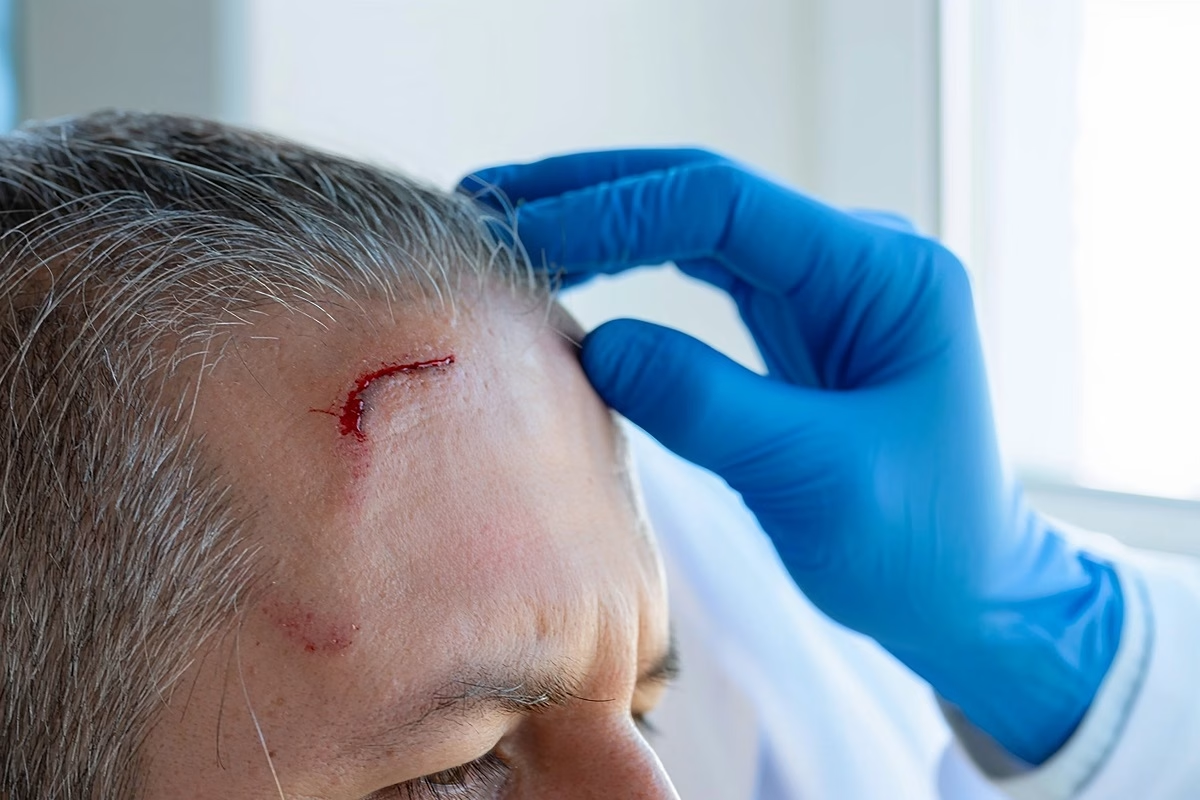
Minor nicks from shaving or paper cuts are called lacerations. While usually they are harmless, if a laceration is larger or goes deeper, it can cause serious health problems. Commonly, doctors recognize lecerations during a physical examination. Sometimes, these cuts can be treated at home.
In other words, lacerations are injuries that involve rips or tears in the body’s tissues. The most common form of lacerations is skin lacerations. Moreover, they can happen to tissues inside the body, too. In some cases, lacerations can occur without affecting the outside of the body.
Generally, this type of injury is very common. Healthcare professionals have divided this condition into 2 types based on where they occur on the body. For example, hands or face, and inside the body (such as torn muscles or ligaments). Usually, minor lacerations can be treated at home, but in more severe cases, you should visit a doctor for treatment.
What Are The Symptoms of Laceration?
While the primary symptoms are pain and bleeding, a laceration may cause other symptoms, too. Check for other laceration symptoms below:
- Bruising
- Swelling
- A visible opening in the skin’s surface
- Torn muscles
- Tingling, numbness, or weakness
- Paralysis (rarely)
- Nerve pain
If you or your child has any of the symptoms listed above, immediately contact your healthcare provider. If you develop a serious laceration and do not get treatment, it may lead to unpleasant outcomes.
Causes and Risk Factors
Anything that causes ripping or tearing of tissues in the body causes lacerations. Check the most common causes below:
- Working with edged objects or tools
- Sports injuries
- Bites from humans or animals
- Vehicle crashes
- Physical violence
- Pressure injuries (these include skin tears related to bedsores)
- Penetrating injuries that tear or rip tissues inside the body
- The use of knives or other sharp items
- Falls
- Jewelry (including rings) that snag or pull the skin
Mostly, lacerations involve one or multiple of the following:
- Blunt force – It happens when something puts too much pressure on the affected tissue, which causes it to split, tear, or burst. In some cases, blunt force can cause lacerations inside the body without breaking the skin.
- Shearing – This occurs when tissue experiences movement forces in more than one direction. This type of injury can also cause lacerations inside the body.
- Sharp edges – It causes damage to the outer layer of the skin, causing it to tear more easily.
Healthcare professionals have also identified some factors that may put you at increased risk of lacerations. Examples include:
- Diabetes (this is a significant risk factor for lacerations)
- An increased risk of infections (especially if lacerations occur in the lower extremities)
- Being a mother for the first time
- Large fetal size, rapid labor, or prolonged second stage of labor
What Are The Long-term Effects of Lacerations?
This condition usually does not cause any complications, but in more severe cases, people may experience one or more of the following complications. Check some examples below:
- Infections – This complication often occurs in people who develop large or deep wounds.
- Scarring – It often occurs in people with deep or large wounds.
- Permanent numbness or weakness – This is a potential complication of nerve laceration.
- Vascular, nerve, or tendon injury, which may lead to mobility problems, delayed healing, severe hematoma, bleeding, or loss of motor function.
- Septic arthritis
- Functional impairment or loss – It often happens when muscles or tendons are affected.
- Chronic wounds
- Psychological distress
This article does not contain a complete list of complications. In any case, you can consult with your healthcare professional about ways to reduce the risk or even prevent them.
Is There a Way to Prevent Lacerations?
Most of the time, lacerations occur randomly (unpredictably), and they cannot be prevented. However, your physician may recommend some tips to reduce the risk. These include:
- Use protective equipment (including helmets, gloves, glasses, and others) during work or leisure activities
- Get the right tool for the job (for instance, you should not use a kitchen knife as a can opener)
- You should always make sure the tools you use are in good condition. Generally, cutting tools should be sharp because dull blades are more likely to cause injuries.
Diagnosis
Mild lacerations are often easy to diagnose during a physical examination. During this procedure, physicians often can see and feel tissue changes. If a laceration happens inside the body, they are diagnosed by performing the following tests. These include:
- CT (computerized tomography) scans
- MRI (magnetic resonance imaging) scans
- Ultrasound
- X-rays
The previous tests also help to rule out other health conditions that can cause similar symptoms to lacerations. Sometimes, doctors may perform additional tests to get more information about a laceration that happens inside the body.
Treatment
Mild lacerations are often treated with home remedies. In more severe cases, healthcare professionals may recommend one or a combination of the following options. Check some examples below:
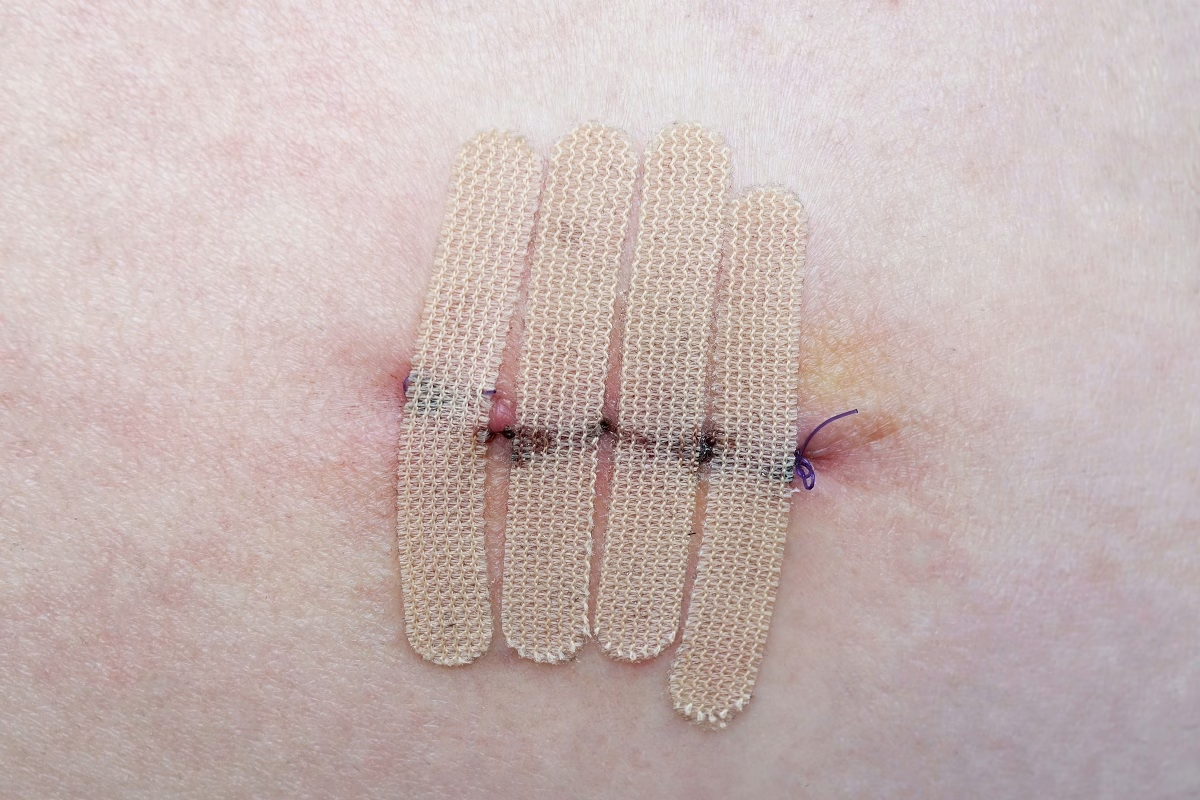
- Wound closure – It often involves staples, adhesives, bandages, sutures, and others.
- Medicines – Usually, physicians recommend antibiotics or antivirals to prevent or treat infections. In some cases, they may also prescribe other medicines to relieve pain and numbness.
- Surgery – Physicians recommend this treatment to people with deep or large lacerations that negatively affect connective tissues (including ligaments, tendons, muscles, and others).
- Irrigation, cleaning, and debridement – During this procedure, doctors will clean the wound and remove debris or other foreign substances.
- Specialized wound care – If you notice that your wound does not heal or heals slowly, you may need specific techniques or devices, including wound drains or vacuums, hyperbaric oxygen therapy, and others.
- Immobilization – Sometimes, people wear a splint or arm sling to keep the affected part of the body immobilized. It also helps the skin tissue time to rest and heal.
Your physicians can prescribe other treatments based on your medical history and other factors.
Frequently Asked Questions
What can I expect if I have a laceration?
Typically, this condition occurs quite commonly, and most of them are small and heal quickly. Those who develop a large or deep wound often need treatment to reduce the risk of complications. For more details, discuss it with your physician.
When should I go to the ER?
If any of the following symptoms occur, immediately call 911 or go to the nearest emergency room (ER). Examples include:
- Deep punctures or gaping wounds
- Numbness
- Inability to move a limb near the affected area
- Visible muscle, fat, bone, or tendon
- Bleeding that does not disappear within 10-15 minutes
When does your body not heal?
In some cases, people may notice that their wound does not heal or heals slowly. It may indicate underlying problems (including diabetes, poor circulation, infections, or malnutrition). If you have any other questions, ask your healthcare provider.