
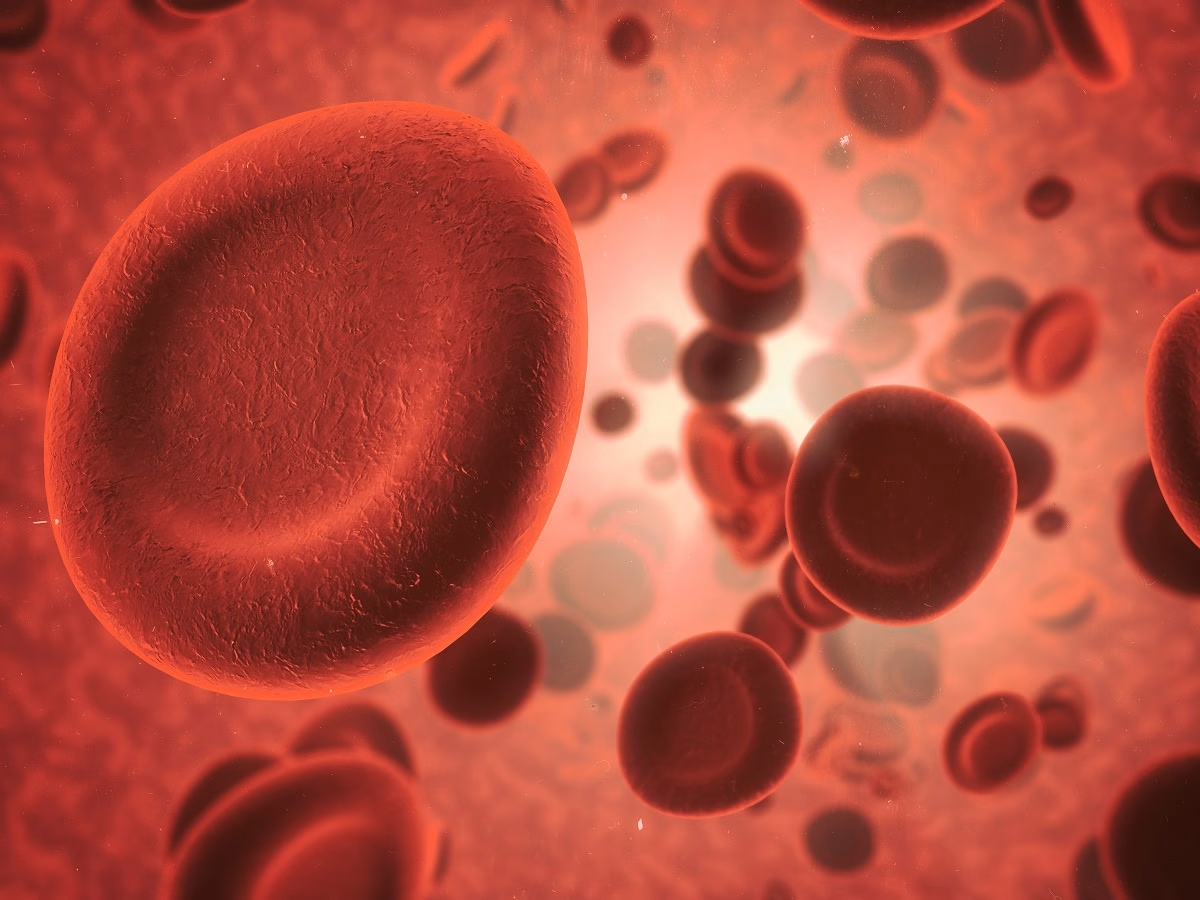
A rare blood disorder in which the bone marrow no longer produces enough red blood cells is called pure red cell aplasia (PRCA). As a result, people with this disorder also develop anemia (low red blood cell count). In some cases, people develop this condition due to abnormal genes that are inherited from biological parents, but it may also happen due to an underlying condition or a reaction to medicine.
Furthermore, red blood cells carry oxygen to all body tissues and organs. When they do not get enough oxygen, it may lead to problems throughout the body. Generally, this condition occurs very rarely and affects about 1 to 3 per 1 million each year.
Symptoms
This blood disorder usually causes symptoms similar to anemia. Check below some examples:
- Fatigue (extreme tiredness)
- Dyspnea (trouble breathing)
- Dizziness
- Paler skin
- Headaches
- Angina (chest pain)
- Pulsatile tinnitus (ringing in the ears)
If any of the previous symptoms occur, immediately contact your healthcare professional.
Causes
There are multiple causes of this condition. In most cases, they develop it due to an underlying condition. Sometimes, you may inherit PRCA or develop it due to a type of anemia called Diamond-Blackfan anemia. This is an inherited disorder that is often diagnosed during childhood. Check below for other possible causes:
- Autoimmune disorders – For example, systemic lupus erythematosus, rheumatoid arthritis, inflammatory bowel disease (IBD), and others.
- Blood cancers – Examples include chronic lymphocytic leukemia (CLL), large granular lymphocytic leukemia (LGL), and others.
- Cancerous tumors, including thymoma (thymic carcinoma), and others.
- Viral infections – While parvovirus B19 infection is the most common cause of PRCA, it may also occur due to other infections, such as HIV infection, Epstein-Barr virus, and all types of hepatitis. Moreover, parvovirus B19 infection often affects people with a weakened immune system.
- Bacterial infections – For example, tuberculosis, bacterial sepsis, group C streptococcus, and others.
- Medicine – Usually, the following group of medications is often linked with PRCA. It is called erythrocyte-stimulating agents (ESA).
- Pregnancy – Some pregnant women may develop some conditions that negatively affect the bone marrow or baby.
Risk Factors
Healthcare professionals have identified some factors that may increase your risk of developing pure red cell aplasia. For example, Iron overload (increased Iron levels in the body), inherited disorders, chemical exposure (including Benzene, insecticides, and other solvents), and inflammatory markers.
Complications
People with PRCA may also experience some complications, especially if they do not get treatment. Check below some examples:
- Alloimmunization – Your immune system may develop antibodies against transfused blood, which makes future blood transfusions more difficult.
- Increased risk of infections
- Bone marrow failure
- Chronic dependence on transfusions
The previous list does not contain a full list of complications. However, you can consult with your healthcare professional about measures to reduce the risk or even prevent them.
How to Prevent Pure Red Cell Aplasia?
Unfortunately, there is no way to prevent this condition, but doctors may recommend some tips to reduce the risk. Check below some of them:
- Dietary changes – You should follow a healthy diet full of fresh fruits, vegetables, and whole grains. It is also recommended to limit or avoid processed foods.
- Drink plenty of water to prevent dehydration
- Physical exercise – It is advised to aim for 30 minutes of physical exercise per day, at least 5 days a week.
- Regularly wash your hands to prevent infections
- Inform your healthcare professional if you notice any changes
Diagnosis
First, doctors will perform a physical examination to check for irregularities linked to the disease. Thereafter, they may also ask some questions about your symptoms and family history to get more information about your disorder. However, to confirm or rule out PRCA, they often perform the following blood tests and imaging tests. These include:
- Complete blood count (CBC), including a count of white blood cell types
- Reticulocyte count
- Peripheral blood smear
- Parvovirus B19 test
- CT (computerized tomography) scans
- Bone marrow aspiration or biopsy – During a biopsy, physicians will take a small sample of the affected bone marrow for testing. Usually, this test helps diagnose PRCA.

Treatment
The treatment is often different among people with PRCA because it depends on several factors. These include the underlying cause and severity of the disease, overall health, age, and preferences. Check below some options usually recommended by doctors for people with PRCA:
- Immunosuppressants – This group of medicines is used to control the immune system. In most cases, people stay in the hospital while taking these medications. Doctors often recommend Cyclosporine and Prednisone (a corticosteroid to reduce inflammation).
- Blood transfusion – This treatment is used to remove excess Iron from the blood. Usually, people get blood from a donor.
- Surgery – Doctors may perform surgery when PRCA occurs due to a thymus tumor. It will help prevent the spread of the tumor to other parts of the body.
- Stem cell transplant – It is often prescribed for people with Diamond-Blackfan anemia to replace the abnormal bone marrow and blood cells.
- Immunoglobulin therapy – People with PRCA and parvovirus B19 infection may need an immunoglobulin therapy to destroy the virus and stop the damage to the immature red blood cells.
In addition, the previous treatments may give you some adverse reactions. Check some of them below, depending on the treatment you’ll receive.
Immunoglobulin Therapy
- Dizziness
- Joint pain
- Muscle cramps
- Kidney problems
- Headaches
- Pain, swelling, and redness at the injection site
Immunosuppressants
- Acne
- Diabetes
- Hair loss or growth
- Extreme tiredness
- Hypertension (high blood pressure)
- Difficulty concentrating or remembering
- Mouth sores
- Osteoporosis (brittle bones)
- Tremors
- Gastrointestinal issues (such as stomach upset, nausea, vomiting, and others)
- Weight gain
Blood Transfusion
While the most common adverse reactions of blood transfusions are fever and allergic reactions (such as rashes or hives), they may also cause other side effects. For example:
- Delayed transfusion reaction
- Infections
- Red blood cell antibodies
- Iron overload
Surgery
The most common side effects after surgery are bleeding and an increased risk of infections. You may also notice some reactions to anesthesia.
Frequently Asked Questions
How soon after treatment will I feel better?
The recovery time depends on the treatment. For instance, people who take corticosteroids usually notice improvements within a few weeks. However, it may take more time to recover if you have a thymectomy.
What is the life expectancy of someone with pure red cell aplasia?
According to some studies, people with PRCA live from 12 to 14 years after diagnosis. However, the life expectancy can be different in people who also have parvovirus B19.
Is PRCA considered an autoimmune disease?
This condition is a type of anemia in which the bone marrow’s ability to produce new red blood cells is affected. However, autoimmune disorders as well as PRCA may occur due to an underlying condition, including herpes, viral infections, parvovirus B19 (fifth disease), hepatitis, or HIV infection. Ask your healthcare professional if you have additional questions.