
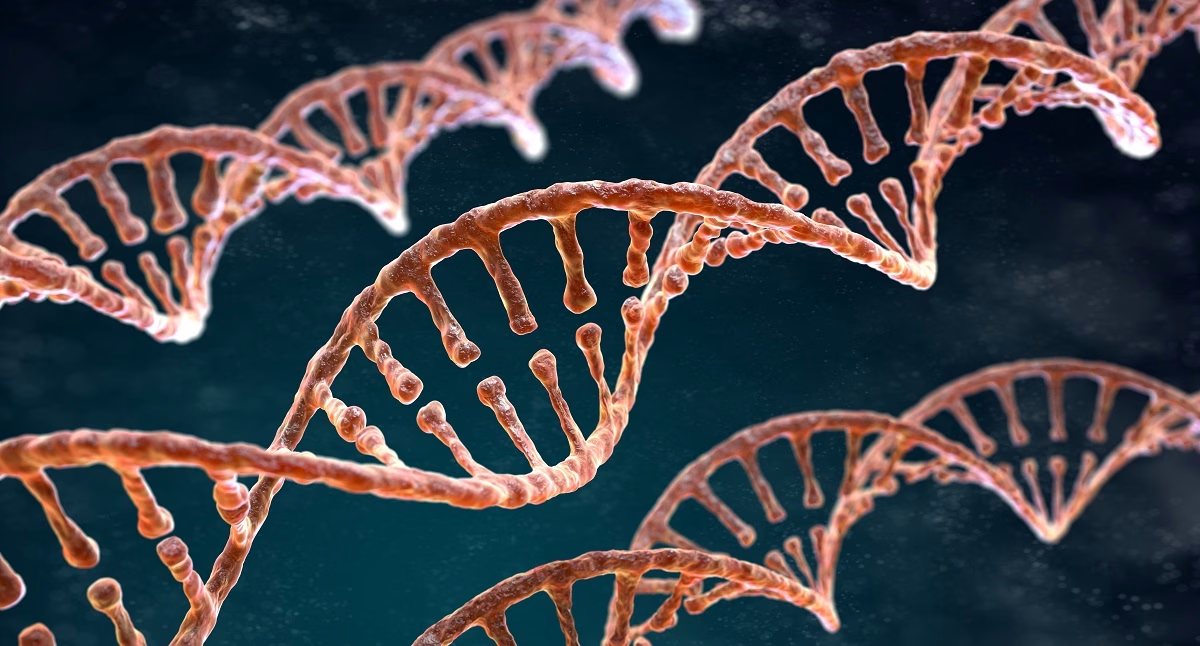
A genetic condition that occurs very rarely and causes certain parts of the body to overgrow is called Proteus syndrome. It negatively affects the bones, tissues, organs, skin, and other parts of the body. Moreover, healthcare providers have identified that a mutation in the AKT1 gene causes this disorder. In normal circumstances, this gene helps control cell growth and division.
In other words, this syndrome causes asymmetrical overgrowth of different parts of the body. Usually, newborns with this syndrome do not have any symptoms. First symptoms can be noticed between the ages of 6 and 18 months. The disease advanced even more within 10 years and may worsen quickly with aging. Furthermore, some people may also develop neurological problems along with physical appearance differences. People with Proteus syndrome are also at increased risk of blood clots and tumors.
In general, this syndrome occurs very rarely, and it affects fewer than 1 in 1 million people in the whole world. This condition is quite challenging to diagnose because there are other disorders that may also cause asymmetrical overgrowth. According to some research, some people go undiagnosed, while others are misdiagnosed.
Symptoms
Mostly, the first signs of Proteus syndrome appear within 18 months after birth. Thus, you can notice asymmetrical overgrowth (it means one side of the body is more than the other). Usually, the pattern and severity of Proteus syndrome differ among people who develop it. While this condition can affect almost any part of the body, it mostly impacts the bones, skin, organs, and tissues. This disorder may progress quickly during the first 10 years of life.
People with Proteus syndrome often develop irregular bones in the arms, legs, skull, and spine. For instance, the arms and legs may grow to different lengths, severe curvature of the spine (also known as scoliosis), overgrowth of certain joints that may cause mobility problems, and others.
Sometimes, people may also develop abnormal skin growths that look like raised lesions (called cerebriform connective tissue nevus) on the soles of the feet or hands. They may also develop abnormal blood vessels (including the capillaries and veins), overgrowth of fat (adipose tissue) that usually affects the stomach, arms, and legs, and benign tumors. While it is not common, some people may develop additional symptoms besides physical abnormalities. Check below some examples:
In general, those who suffer from Proteus syndrome often have distinctive facial features, including a long face, a flat nose bridge with wide nostrils, and an open-mouth expression. If you notice in the first months of your child any of the signs of Proteus syndrome, do not hesitate to visit your healthcare professional.
Causes
Physicians have identified that Proteus syndrome occurs due to a mutation in the AKT1 gene. Normally, this gene controls cell growth and division. A mutation in this gene may disrupt the cell’s ability to grow and multiply. As a result, it may lead to overgrowth traits. Furthermore, this syndrome is not an inherited condition, and it does not run in families. The gene mutation that causes Proteus syndrome occurs after fertilization of the embryo (somatic mutation). In other words, this is a spontaneous mutation that occurs during pregnancy. Usually, this condition occurs in a mosaic gene alteration because not all cells contain the abnormal gene.
In addition, Proteus syndrome can affect anyone, but males are slightly more prone to the condition than females.
Complications and Prevention
People with this syndrome may also experience some complications, especially if the disorder is not managed. Check below some examples:
- Deep vein thrombosis (DVT) – This is one of the most serious complications that may occur in people with Proteus syndrome.
- Pulmonary embolisms – This is also a serious complication that can be fatal.
- Vascular malformations
- Cystic lung disease
- Progressive overgrowth
- Painful deformities
- Skin lesions (such as cerebriform connective tissue nevi)
- Seizures
- Hemimegalencephaly
- Benign (noncancerous) or malignant (cancerous) tumors – These include cystadenomas, parotid adenomas, meningiomas, ovarian or testicular cancers, and others.
This article does not contain all possible complications of Proteus syndrome. However, you can talk with your doctor and try to reduce the risk of the previous complications.
Furthermore, this condition cannot be prevented because it occurs spontaneously during conception.
Diagnosis
Usually, it is quite difficult to diagnose this condition because there are other disorders that cause similar symptoms. However, the diagnosis often begins with a physical examination to check for abnormalities linked to the disease. Thereafter, doctors may also ask some questions about the symptoms and medical history to get more clues about the disease. Generally, there are 3 characteristics of this syndrome that should be present to confirm it. For example:
- Mosaic distribution – It means the excessive growths on the body are patchy.
- Sporadic occurrence – It occurs without a family history of the disease.
- Progressive course – The condition worsens quickly, and overgrowths change the look of the affected parts of the body significantly within the first 10 years of life.
Additionally, doctors may perform multiple genetic tests to check for the abnormal gene that causes it. It may take some time because this abnormal gene is not present in every cell in the body. Sometimes, the abnormal gene can be found during a biopsy of the affected part of the body.

Treatment
This disorder cannot be cured. That’s why the treatment goal is to reduce the symptoms and improve your quality of life. Usually, people with Proteus syndrome need a healthcare team to manage the symptoms. These include orthopedic surgeons (to treat problems with the bones), dermatologists (to address problems with the skin and fatty overgrowths), and others. Check below some examples:
- Pulmonologist (long doctor)
- Physiatrist (rehabilitation medicine doctor)
- Physical and occupational therapists
- Pedorthist (a person who makes shoes and other orthotics)
The gene that causes this syndrome was discovered recently. It may help advance in testing new medicines and procedures to treat the disorder.
Frequently Asked Questions
What is the life expectancy for Proteus syndrome?
The life expectancy varies among people with this disorder. In some cases, complications can be more severe than the syndrome itself. In general, approximately 25% of people with Proteus syndrome die before 22 years old. However, if you develop a mild form of this syndrome, you can live longer.
What are the symptoms of Proteus syndrome?
While the primary symptom of this syndrome is asymmetrical overgrowth of tissues (such as skin, bones, and fat), it may also cause neurological symptoms, seizures, vision problems, vascular malformations, and others. Immediately contact your healthcare professional if any of the previous symptoms occur.
Do people still get Proteus syndrome?
Nowadays, there are 200 confirmed cases of Proteus syndrome in the entire world. Furthermore, about 120 of them are alive. Ask your healthcare provider if you have additional questions.