
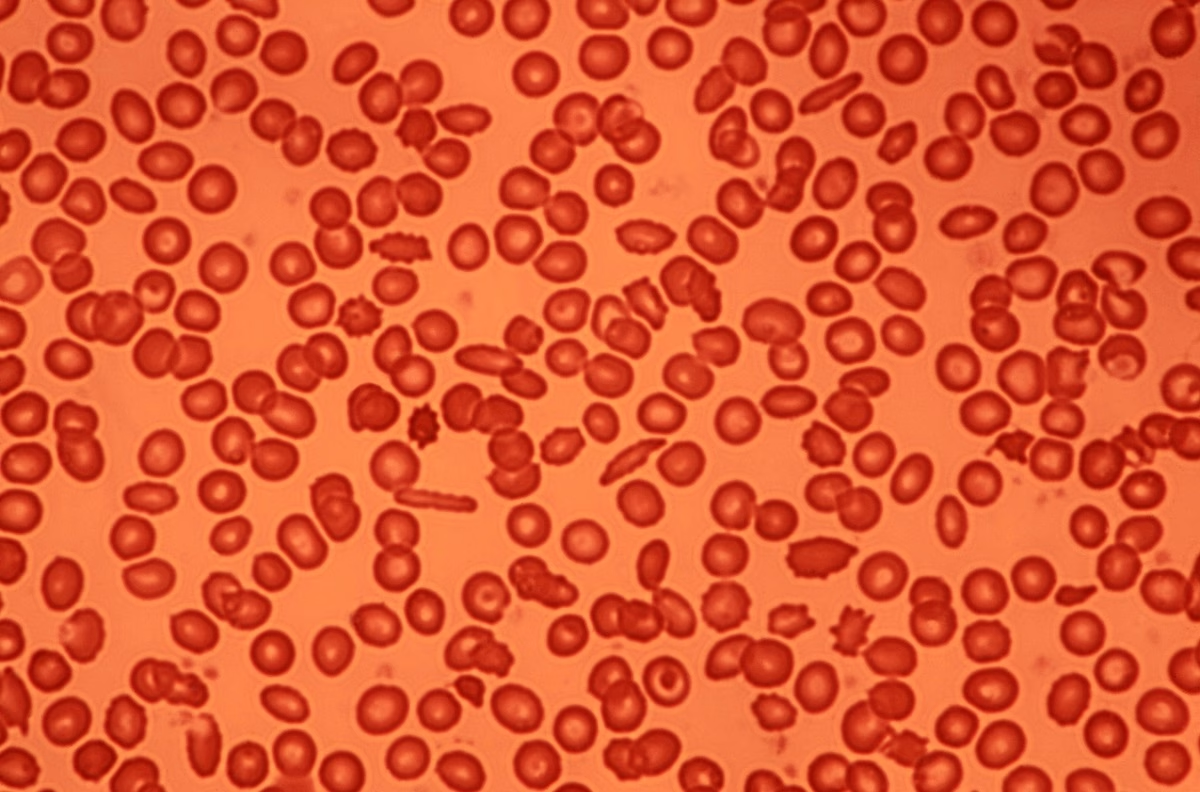
A medical term that is used to describe red blood cells with abnormal shapes is poikilocytosis. While it can indicate anemia (a condition that makes you weak and tired), sometimes, it may occur due to an inherited disorder. This condition is treatable, but the treatment depends on the exact cause of poikilocytosis.
Furthermore, in people with this condition, about 10% of red blood cells have an abnormal shape. In general, these blood cells carry oxygen to tissues and organs in the whole body. Healthy red blood cells have the same size and shape (they are round with an indentation in the center similar to a disk). The red blood cells that have abnormal sizes (anisocytosis) or shapes (poikilocytosis) are not able to carry oxygen efficiently, which often results in anemia.
Abnormal Red Blood Cell Shapes
Healthcare professionals have divided the abnormal red blood cells into different categories based on their features. Usually, people with poikilocytosis have one or more of the following abnormal cells. For example:
- Spur cells (acanthocytes) – These abnormal cells have spikes of different lengths and widths.
- Target cells (codocytes) – These blood cells have a dark center in the middle, which often resembles a bullseye.
- Teardrop cells (dacrocytes) – This type of cell is narrow or comes to a point at one side, similar to a teardrop.
- Sickle cells (drepanocytes) – These cells are curved and thin, often similar to a sickle or crescent.
- Ovalocytes or cigar cells (elliptocytes) – These are oval and abnormally long cells with different shapes from an egg to a cigar.
- Echinocytes – These cells are covered in evenly spaced thorny projections similar to a sea urchin.
- Schistocytes – While these cells can be any shape, they are often jagged.
- Spherocytes – In such cases, the blood cells resemble a globe or ball.
Symptoms
The symptoms of this condition are different because they depend on the underlying condition. In most cases, the poikilocytosis symptoms are similar to those of anemia. Check below some examples:
- Weakness
- Extreme tiredness (fatigue)
- Arrhythmia (irregular heart rhythm)
- Dyspnea (shortness of breath)
- Pulsatile tinnitus (occasional sound in the ear)
- Headaches
- Dizziness
- Pale skin
- Chest pain
If any of the previous symptoms occur, it is advised to visit a doctor.
Causes
Generally, there are multiple causes of poikilocytosis. While some of the disorders that cause poikilocytosis are inherited, others can be acquired later in life. For example:
Inherited Disorders
The following conditions are caused by DNA changes (mutations) or a genetic code that a blood cell needs to develop, function, and survive. In most cases, the abnormal red blood cells break too early, and the body is not able to replace them so fast (hemolytic anemia). Check below some inherited conditions that can cause poikilocytosis:
- Hereditary elliptocytosis
- McLeod syndrome
- Sickle cell disease
- Thalassemia
- Pyruvate kinase deficiency
- Hereditary spherocytosis
Acquired Disorders
There are multiple disorders that can cause abnormal red blood cells. For instance, some people can develop multiple types of anemia because they do not get enough nutrients the body needs to produce red blood cells. These include Iron, Folate, and vitamin B12, and others. Furthermore, poikilocytosis often indicates deficiencies of the previous nutrients. In some cases, people can develop poikilocytosis due to cancer. Check below also other acquired disorders that can cause abnormal red blood cells:
- Celiac disease
- Infections
- Autoimmune hemolytic anemia
- Burns
- Kidney or liver disease
- Leukemia
- Iron-deficiency anemia
- Megaloblastic anemia
- Myelofibrosis
- Poisoning
There are also some procedures, as well as other factors, that could cause poikilocytosis. These include blood transfusions, splenectomy, snakebite, and others.
What Are The Possible Complications of Poikilocytosis?
While most causes of this disorder are treatable, if you do not get treatment, it may lead to some unpleasant results. For example, long-term anemia can cause organ failure, delayed development in children, and other serious problems. Check below for other complications of this disorder:
- Severe anemia
- Organ damage
- Chronic fatigue
- Sickle cell disease (that increases the risk of infections, stroke, priapism, and other health problems)
- Myelofibrosis
- Congenital poikiloderma
- Leukemia
This article does not contain all possible complications of poikilocytosis. However, you can talk with your doctor about measures to reduce the risk of the previous complications.
How to Prevent Poikilocytosis?
Unfortunately, it is not always possible to prevent this disorder, such as when you develop poikilocytosis due to inherited disorders. However, doctors may recommend some tips that can help reduce the risk of some acquired forms. For example:
- Dietary changes – It is very important to get enough nutrients that the body needs to produce new red blood cells. The key ingredients are Iron, vitamin B, and folate.
- Limit or avoid alcoholic beverages – Alcohol negatively affects the body’s ability to absorb nutrients, especially if it is taken in high amounts.
- Stop smoking – If you have problems with smoking cessation, discuss it with your doctor.
Diagnosis
Doctors usually perform a PBS (peripheral blood smear) to diagnose this condition. During this test, doctors will take a sample of blood for testing under a microscope to check for abnormal blood cells. Furthermore, some abnormal red blood cells are more common in certain health conditions. For example:
- Acanthocytes – A patient’s reaction to a splenectomy and liver disease.
- Codocytes – These include liver disease, reactions to a splenectomy, Iron-deficiency anemia, and thalassemia.
- Dacrocytes – For example, myelofibrosis, megaloblastic anemia, and myelodysplastic syndromes.
- Drepanocytes – These abnormal blood cells mostly appear in people with sickle cell disease.
- Echinocytes – Usually appear in pyruvate kinase deficiency.
- Elliptocytes – Hereditary elliptocytosis, Iron-deficiency anemia, megaloblastic anemia, myelofibrosis, and thalassemia.
- Schostocytes – Hemolytic anemia
- Sheprocytes – This type of abnormal red blood cell often appears in autoimmune hemolytic disorders and hereditary spherocytosis.
Commonly, once you are diagnosed with this condition, doctors perform additional tests to determine the exact cause of the disease. They often perform a complete blood count (CBC) because it gathers information about blood cells (such as levels and size), which helps doctors diagnose what is causing poikilocytosis. Examples include:
- Mean corpuscular volume (MCV) – The average size of the red blood cells.
- Mean corpuscular hemoglobin (MCH) – In such cases, doctors will check the average amount of hemoglobin in the red blood cells.
- Mean corpuscular hemoglobin concentration (MCHC) – This is the average amount of hemoglobin concentration in the red blood cells.
- Red cell distribution width (RDW) – It helps determine how varied in size the red blood cells are.

Treatment
Physicians usually prescribe different treatments for people with poikilocytosis. It depends on the exact cause and severity of the condition, existing health problems, age, and preferences. For instance, if the disorder occurs due to nutritional deficiencies, doctors often recommend supplements and dietary changes that include vitamin B12 and folate. However, people who develop poikilocytosis due to inherited disorders should regularly monitor the condition. Some people may also need regular blood transfusions, which help remove abnormal red blood cells and get healthy ones.
Frequently Asked Questions
Is poikilocytosis serious?
While the condition itself is not serious, it can indicate serious underlying disorders. That’s why it is recommended to see a doctor if you think you have poikilocytosis.
What is the cause of poikilocytosis?
There are multiple causes of poikilocytosis, including genetic disorders (such as sickle cell disease), nutritional deficiencies, systemic diseases (such as liver or kidney disease), autoimmune conditions, infections, severe burns, and others. For more details, discuss it with your physician.
Is poikilocytosis related to leukemia?
There is a type of abnormal red blood cell (elliptocytes) that often appears in people with thalassemia, myelofibrosis, or bone marrow disorders. Therefore, previous disorders may include some types of cancer, including leukemia and metastatic carcinoma. Ask your healthcare provider if you have any other questions.