
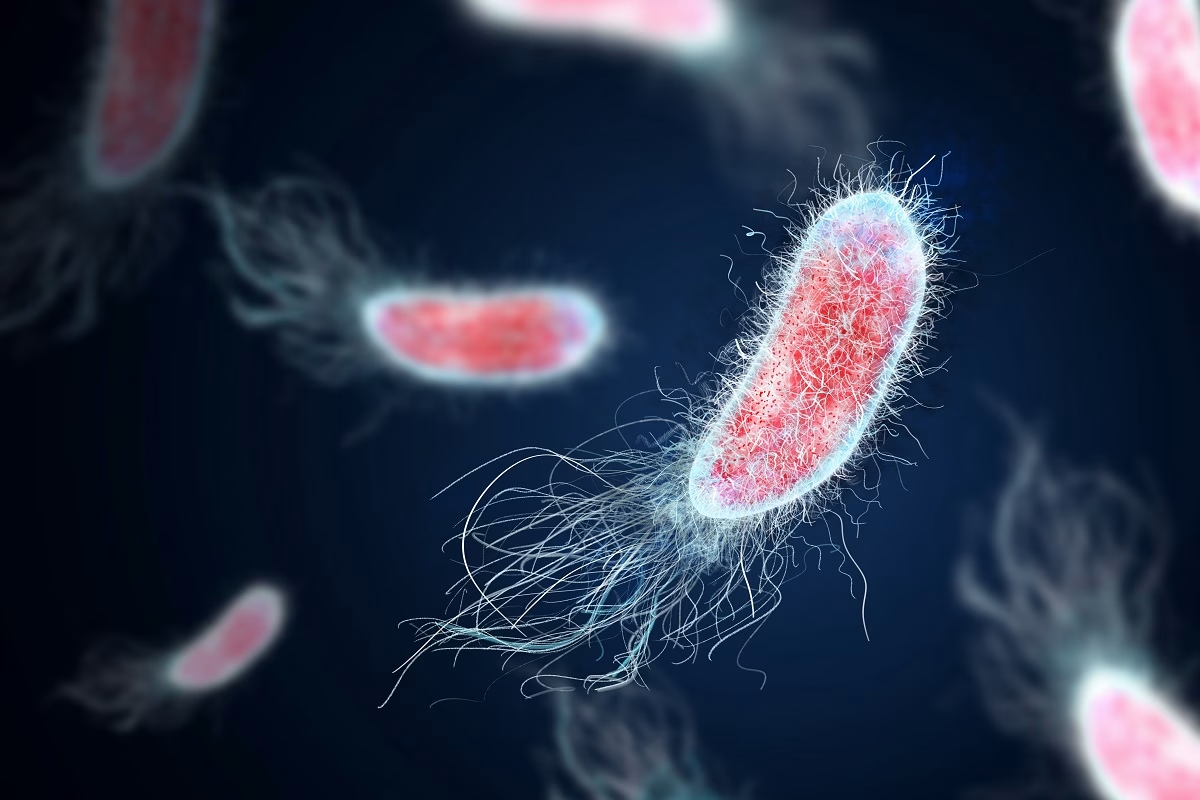
An infection that is caused by a bacterium known as Streptococcus pneumoniae (sometimes called pneumococcus) is called pneumococcal disease. It is a highly contagious infection that may cause life-threatening conditions, including pneumonia, meningitis, and sepsis. The only way to prevent serious complications of this disease is early diagnosis and proper treatment. Doctors often recommend vaccines to protect against this disease.
Moreover, this condition can affect multiple systems in the body. Usually, it causes mild symptoms (such as sinusitis), but it can also cause more severe infections (such as sepsis or meningitis). In most cases, this disease is treated with antibiotics (a group of medicines used to treat bacterial infections), but doctors usually recommend vaccines to prevent infections, especially in children and older adults.
In general, this is a common disease, and it is the cause of about 2,000 cases of pneumococcal meningitis and of more than 150,000 hospitalizations with pneumococcal pneumonia per year, according to the Centers for Disease Control and Prevention (CDC). In addition, pneumococcal disease is the most common bacterial cause of pneumonia in children.
Types of Pneumococcal Disease
Experts have found more than 100 strains of this bacterium, and they cause two primary types of pneumococcal disease. These include:
- Noninvasive – In such cases, the infection occurs more commonly, but it is less serious and often does not spread to major organs or blood.
- Invasive – This type of pneumococcal disease is more severe, and it occurs in the blood and areas where bacteria normally should not persist (such as bones or brain). Furthermore, it can also affect major organs (such as the lungs).
Symptoms
The symptoms appear differently among people because they depend on the type of infection people develop. However, if you develop a mild form of the condition, you can experience the following symptoms. These include:
- Fever
- Swelling
- Pain
- Fatigue
- Nasal congestion
- Headaches
- Loss of sense of smell (also known as anosmia)
However, pneumococcal disease can also cause life-threatening infections. Check below some symptoms of those infections below, according to the part of the body that is affected:
Pneumonia Symptoms
- Cough
- Trouble breathing
- Fever or chills
- Chest pain
Meningitis Symptoms
- Headaches
- Fever
- Increased sensitivity to light
- Appetite changes
- Poor drinking
- Vomiting (especially in babies)
Bacteremia Symptoms
- Confusion
- Fever
- Chills
Sepsis Symptoms
- Extreme pain or discomfort
- Dyspnea (shortness of breath)
- Excessive sweating
- Fast heart rate
- Confusion
- It can also lead to death, especially if you do not get treatment as soon as possible
It is very important to contact your healthcare professional if you or your child experiences a fever of 100.5 degrees F (38.06 degrees C), chest pain, and breathing problems.
Causes
This disease is caused by a bacterium called Streptococcus pneumoniae. Usually, it is found in the noses and throats of healthy people (especially children). An infection often develops when the bacteria spread to other parts of the body.
In general, this condition can spread to other people. While in most cases, people do not develop infections even if they get the bacterium from other people, they become carriers. Typically, people spread this bacterium to other people through droplets of saliva or mucus when they cough, sneeze, or touch each other. Commonly, it is quite difficult to estimate how contagious this disorder is, but if you are no longer contagious within 2 days after beginning the treatment.
Risk Factors
While pneumococcal disease can affect anyone, children under 2 years old are more likely to develop it, especially if they have:
- Cochlear implants
- Diabetes
- A cerebrospinal fluid (CSF) leak
- Kidney disorders (such as nephrotic syndrome)
- Weakened immune system caused by medicines, solid organ transplants, or disorders (including cancer, HIV infection, and others)
- Sickle cell disease
- Damaged or removed spleen
This condition also occurs in older adults, especially with weakened immune systems. Check below some factors that could increase the risk of developing pneumococcal disease:
- Older adults over 65 years
- Alcohol use disorder
- CSF leak
- Chronic (long-term) disorders (such as lung disease, cardiovascular disease, liver disease, or kidney disease)
- Smoking
Usually, people develop this disease in cooler and drier months of the year.
What Happens if Pneumococcal Disease Goes Untreated?
People who develop pneumococcal disease can also experience some complications. Check below some complications that often require immediate treatment:
- Bacteremia (blood infection)
- Bacterial meningitis (infection of the brain and spinal cord membrane)
- Osteomyelitis (infection of the bone)
- Pneumonia (lung infection)
- Septic arthritis (joint infection)
- Sepsis (inflammation that negatively affects multiple tissues and organs)
Furthermore, pneumococcal meningitis and bacteremia can cause severe disabilities if left untreated. These include brain damage, hearing loss (deafness), amputation (surgical limb removal), and others. However, pneumococcal disease can also cause some less serious illnesses. Examples include:
- Bronchitis (inflammation of the airways)
- Otitis media (infection of the middle ear)
- Conjunctivitis (also known as pink eye)
- Sinusitis (sinus infection)
This article does not contain a full list of pneumococcal disease complications. In any case, you can consult with your healthcare professional about ways to reduce the risk or even prevent the previous complications.
How to Prevent Pneumococcal Disease?
One of the most effective ways to reduce the risk of this disorder is vaccination. Usually, vaccines are recommended in the following cases. Examples include:
- Children who are younger than 2 (it is a standard immunization for babies and children in the U.S.)
- People who suffer from chronic health conditions and immune deficiencies
- Older adults (over 65 years old)
- People between 19 and 65 years who have strong risk factors for pneumococcal disease
- Those who live or work in a nursing home or other long-term care facilities
In general, the vaccines that help prevent this disease are safe, and it is not common for them to cause adverse reactions. However, some people may experience some mild side effects that go away on their own within a few days. In rare cases, people may experience muscle aches, joint pain, or even fever. Do not hesitate to contact your doctor if any of the previous adverse reactions occur.
Diagnosis
In most cases, doctors begin the diagnosis with a physical examination to check for abnormalities linked to the disease and ask questions about the symptoms and your medical history. In any case, to rule out or confirm this disease, physicians often perform the following tests. Examples include:
- Blood tests (including a complete blood count or CBC)
- Urinalysis (also known as a urine test)
- Phlegm test
- Chest X-ray
- Lumbar puncture (also called a spinal tap)

Treatment
Usually, doctors prescribe antibiotics to treat this condition. Sometimes, they can prescribe several antibiotics because some bacteria can become resistant to medicines. It means the medicine cannot destroy this bacterium. However, if you develop a mild form of pneumococcal disease, doctors often recommend drinking plenty of water, taking painkillers, and resting. Furthermore, some people may develop severe infections that require hospitalization.
Frequently Asked Questions
Is there a cure for pneumococcal disease?
Usually, early diagnosis and proper treatment can improve the prognosis of this disease. The duration of the treatment with antibiotics depends on the severity of the condition, existing health problems, age, and other factors. Sometimes, people develop chronic health conditions, disability, or death, especially if they leave this disease untreated.
What is the difference between pneumonia and pneumococcal disease?
Generally, pneumococcal disease is the medical term used for any infection caused by pneumococcus. One of these disorders is pneumococcal pneumonia, and it is the most common and severe type of pneumococcal disease. However, there are other causes of pneumonia, including fungi, viruses, and others. Therefore, not all diagnosed pneumonias are a type of pneumococcal disease.
How long does it take to recover from pneumococcal disease?
People who develop a mild form of this disease often recover within 7 days after starting the treatment with antibiotics. In more severe cases, it may take several weeks or even months. If you have additional questions, ask your healthcare provider.