
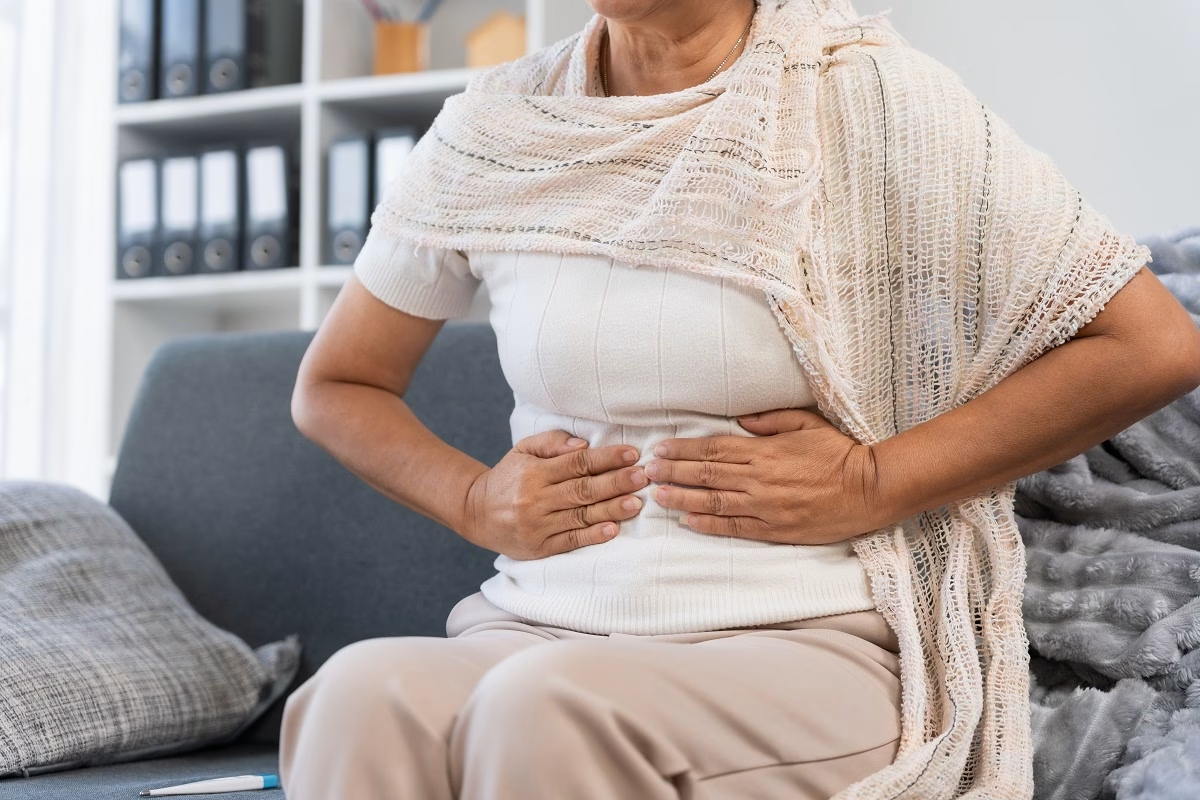
A disorder that causes open sores in the stomach lining or duodenum (the top part of the small bowel) is called peptic ulcer disease (PUD). The most common symptoms include burning or gnawing stomach pain. While most people develop peptic ulcer disease due to NSAIDs (nonsteroidal anti-inflammatory drugs) and H. pylori infection, it may also occur due to other reasons. The primary treatment for people with this disease is medicines. You may need additional treatment if bleeding occurs.
In other words, this condition causes ulcers on the lining of the digestive tract. Furthermore, the word “peptic” comes from pepsin, which is an enzyme that the stomach produces. This specific enzyme helps break down food for digestion, and these substances are highly corrosive.
In normal circumstances, there is a strong mucus that protects the digestive tract from these substances. However, in people with PUD, this protection is destroyed. Thus, acids and pepsin eat the lining of the stomach, which causes ulcers. While most sores appear in the stomach or duodenum, where the substances are most active, they can also form in other parts of the digestive tract.
Types of Peptic Ulcers
While peptic ulcers often affect the stomach (20%) or duodenum (80%), they may also appear in other parts. For example:
- Esophageal ulcer – Prolonged acid reflux can cause erosions on the esophagus lining. However, the tube that carries food and drinks from the mouth to the stomach (the esophagus) does not have the same protection as the stomach.
- Jejunal ulcer – It often occurs after surgery that connects the stomach to the jejunum (also known as gastrojejunostomy).
Symptoms
Approximately 70% of people who develop PUD do not experience symptoms. Others experience central upper abdominal pain (also called epigastric pain) and indigestion. Usually, people with PUD experience indigestion right after eating. Check below for other symptoms of PUD:
- Burping
- Heartburn
- Appetite changes
- Nausea
- Vomiting
- Moderate to severe pain that can wake you up at night
- Bloating
Do not hesitate to visit a healthcare professional if any of the symptoms listed above happen.
Causes
Normally, the mucous lining from the digestive tract protects it from enzymes and acids and also helps repair damage, especially in the upper part of the small intestine and stomach. Commonly, peptic ulcer disease occurs when something weakens this protection. In any case, it usually takes a long period to reduce these defenses enough to develop ulcers. Check below the most common causes of PUD:
- pylori infection – In general, this is a common bacterium that lives in the stomach or duodenum. While most people do not experience any symptoms, damage to the protective layer of the stomach and small intestine may occur when they grow too much.
- Prolonged use of NSAIDs (nonsteroidal anti-inflammatory drugs) – These include Aspirin, Ibuprofen, and others. People who use them for long periods can upset their chemical balance in the stomach and duodenum.
However, PUD may occur due to other reasons. Check below for other less common causes:
- Other infections
- Crohn’s disease
- Chemotherapy drugs
- Ischemia
- Radiation therapy
- Stomach cancer
- Zollinger-Ellison syndrome
- Severe conditions or injury
Risk Factors
While this disorder can affect anyone, there are some factors that may elevate your risk of developing PUD. Check below some of them:
- Smoking
- Misuse of alcohol or recreational drugs
- Certain medicines (such as long-term use of corticosteroids or antiplatelet drugs)
- Stressful life events
- Poor diet (high in fat and processed foods)
- A family history of peptic ulcer disease
- Sex – Males are more likely to develop PUD than females.
- Age – The risk of PUD increases with aging.
- Gastrinoma
What Are The Potential Complications of Peptic Ulcer Disease?
Those who develop PUD may also experience some complications, especially if they ignore the symptoms and do not get treatment. Check below some examples:
- Gastrointestinal bleeding or perforation
- Gastric outlet obstruction
- Anemia
- Pancreatitis
- Gastric cancer (rarely)
Furthermore, previous complications can cause additional symptoms. These include blood in the stool or vomit, sudden, sharp stomach pain, and abdominal (belly) tenderness or swelling.
However, this document does not contain a full list of PUD complications. Moreover, you can consult with your healthcare professional about ways to reduce the risk of developing previous complications.
How to Prevent Peptic Ulcer Disease?
Fortunately, this condition can be prevented. Healthcare professionals often recommend finding and treating H. pylori and carefully using NSAIDs. It is very important to take these medications exactly as prescribed by your doctor. Otherwise, it significantly increases the risk of PUD as well as other health conditions.
Diagnosis
Usually, doctors perform a physical examination to check for abnormalities linked to the disease. They may also ask some questions about the symptoms and medical history, and perform tests to check for H. pylori infection. It may also include a breath or stool test.
While most people get diagnosed with PUD after an upper endoscopy, doctors can also perform some imaging tests to check for large ulcers. Usually, they perform CT (computed tomography) scans or GI (gastrointestinal tract) X-rays.
Treatment
Most people with PUD are treated with medicines. However, if they develop complications (such as bleeding or a perforated ulcer), doctors may recommend additional care. Generally, most problems are treated during an endoscopy. Check below some treatment options usually recommended by doctors for people with PUD:
Medicines
The following medicines are used to reduce stomach acid production and treat infections. For example:
- Antibiotics to treat H. pylori infection
- Cytoprotective agents to protect the stomach and duodenum lining
- H2 blockers to reduce stomach acid production
- Proton pump inhibitors (PPIs)
Other Treatments
When PUD causes bleeding, doctors may treat it during an endoscopy by cauterizing the eound or injecting medicine. Moreover, people with a perforated ulcer often need stitches. In addition, some people need surgery because the ulcers do not heal or recur after treatment with medicines. It usually involves:
- The removal of the scar tissue or opening a blocked stomach outlet (this procedure is known as pyloroplasty)
- Intentionally damaging the nerve that triggers acid release (vagotomy)
Frequently Asked Questions
When should I see my healthcare provider?
It is advised to visit a healthcare professional if you think you have PUD. Early detection of this disease can be treated with over-the-counter (OTC) medicines. However, you should call 911 or go to the nearest emergency room (ER) if any of the following symptoms occur. Examples include:
- Severe stomach pain that does not disappear even with OTC painkillers
- Bloody stool or vomit
- Severe blood loss that often causes fainting or pale skin
Do peptic ulcers go away on their own?
People usually do not need treatment, and the disease goes away on its own in mild cases. However, if you have an H. pylori infection or other disorders, you may need treatment.
What foods should be avoided in a peptic ulcer?
Usually, doctors recommend avoiding the following foods if you develop PUD. Examples include:
- Alcohol
- Chocolate
- Citrus fruits (including oranges, lemons, grapefruits, and others)
- Caffeine
- Hot chilies and peppers
- Spearmint
- Fried and processed foods
- Red meat
If you have additional questions, ask your healthcare provider.