
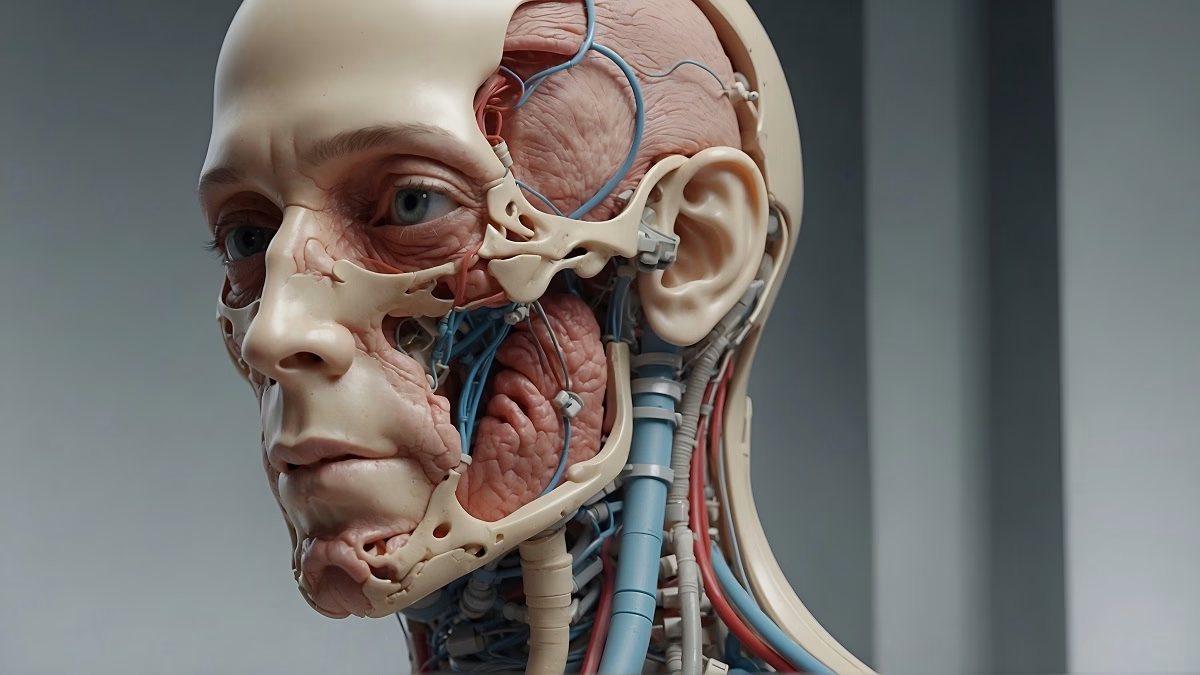
A congenital disorder that negatively affects facial muscles (including the ability to smile or move their eyes) in babies is called Moebius syndrome. The medical term “congenita” means the disorder is present at birth. Usually, doctors recommend surgery, therapies, and mental health support to treat this condition. Most of the time, babies who get treatment as soon as possible do not have a shortened lifespan.
In other words, Moebius syndrome is a neurological disorder that negatively affects the cranial nerves during pregnancy. While it may also cause multiple health problems, the most common problem is paralyzed facial muscles.
In general, this syndrome occurs rarely and affects about 2 to 20 in 1 million babies worldwide. There is no way to cure this disorder, but with treatment, doctors may ease the symptoms and restore other physical differences.
Symptoms
While the most common symptom of Moebius syndrome is weakness or paralysis of the facial muscles, it may also cause the following symptoms. For example:
- Feeding problems
- Inability to smile, frown, raise the eyebrows, or close the eyelids
- Dysphagia (swallowing issues)
- Cleft palate
- Strabismus (also known as crossed eyes)
- Certain defects in the hands and feet (including missing fingers or toes, clubfoot, or webbed fingers)
- Hypotonia
- Deafness (hearing loss)
- Developmental delays
- Micrognathia
- Poland syndrome
Rarely, people with this syndrome may also develop autism spectrum disorder and have crooked or missing teeth as the child grows older. If you notice your child has any of the previous symptoms, immediately contact your doctor. Early diagnosis and proper treatment may help prevent serious complications.
Causes
This disorder occurs due to underdeveloped cranial nerves. These nerves send signals between the brain and different parts of the head, neck, and torso. In most cases, Moebius syndrome affects the sixth cranial nerve that responsible for eye movement, and the seventh cranial nerve, which controls facial expressions. However, it may also affect other cranial nerves (including the eighth cranial nerve, also known as the auditory or vestibular nerve, which manages hearing, or the ninth cranial nerve, also known as the glossopharyngeal nerve). While healthcare professionals do not fully understand why this syndrome occurs, they think there is a combination of the following factors. For example:
- Genetic changes (mutations) – These abnormal genes do not pass from the biological parents, but appear during gestation.
- Brainstem damage – This health problem occurs due to reduced oxygen levels or reduced blood flow during pregnancy. According to some studies, prolonged exposure to certain chemicals or medicines negatively affects the flow of blood.
What Are The Possible Complications of Moebius Syndrome?
Those who develop Moebius syndrome may also experience some complications, especially if the disease is left untreated. Check some of them below:
- Severe feeding and respiratory problems in infants
- Skeletal anomalies (such as scoliosis)
- Syndactyly (webbed fingers)
- Deafness
- Dental cavities
- Corneal erosions
- Mental health issues (such as anxiety, depression, and others)
- Emotional distress
- Social isolation
- Mild intellectual disability
- Autism spectrum disorder (ASD)
This document does not contain a full list of Moebius syndrome complications, but you can talk with your physician about ways to reduce the risk of developing them. Furthermore, there is no way to prevent or reduce the risk of developing this disorder because physicians do not know what exactly causes it.
Diagnosis
Commonly, it is difficult to diagnose this condition because there are other disorders that cause similar symptoms. Doctors often diagnose it based on symptoms and by ruling out other disorders. For example:
- The facial weakness or paralysis in the child is present at birth and does not worsen over time.
- Inability to move one or both eyes outward or side to side, but they often can move their eyes up and down.

Treatment
Doctors often recommend different treatments to relieve the symptoms and improve your child’s quality of life. It depends on the severity of the condition, your child’s response to treatment, other health problems, gender, age, and your preferences. Check some examples below:
- Cleft palate surgery – This option is used to repair the cleft or opening in the child’s palate (the roof of the mouth).
- Facial restoring surgery – This type of surgery is also known as “smile surgery”, which helps restore facial muscles. Surgeons often take the muscles from other parts of the body and place them on the child’s face.
- Strabismus surgery – This procedure involves loosening or tightening of the eye muscles to center the eyes, which helps them work together.
- Physical therapy – During this treatment, a physical therapist will teach your child gross motor skills that involve large groups of muscles. It also helps focus on walking and strength.
- Speech therapy – This therapy is often recommended by doctors if your child has problems with feeding or speaking.
- Ponsetti method (stretches and casts) – This procedure is primarily used to treat clubfoot, but may also improve other symptoms of Moebius syndrome.
- Occupational therapy – During this therapy, specialists will help your child learn and manage daily activities and improve the following skills. These include fine motor, visual motor, and sensory processing skills.
- Surgery or hearing aids for children with deafness
- Mental disorder treatments – Usually, doctors recommend antidepressants and cognitive behavioral therapy to manage the symptoms and treat depression, anxiety, and other mental health problems.
Frequently Asked Questions
Does Moebius syndrome affect people’s life expectancy?
Most of the time, this condition does not affect people’s lifespan, especially if they get an early diagnosis and proper treatment.
Which drug can cause Moebius syndrome?
According to some studies, this syndrome may occur in people who use certain common medicines and recreational drugs (such as cocaine). Discuss it with your physician for more details.
Can people with Moebius syndrome speak?
While most people who develop this syndrome can speak, they frequently have difficulties with speech clarity and articulation. Ask your healthcare provider if you have any other questions.