
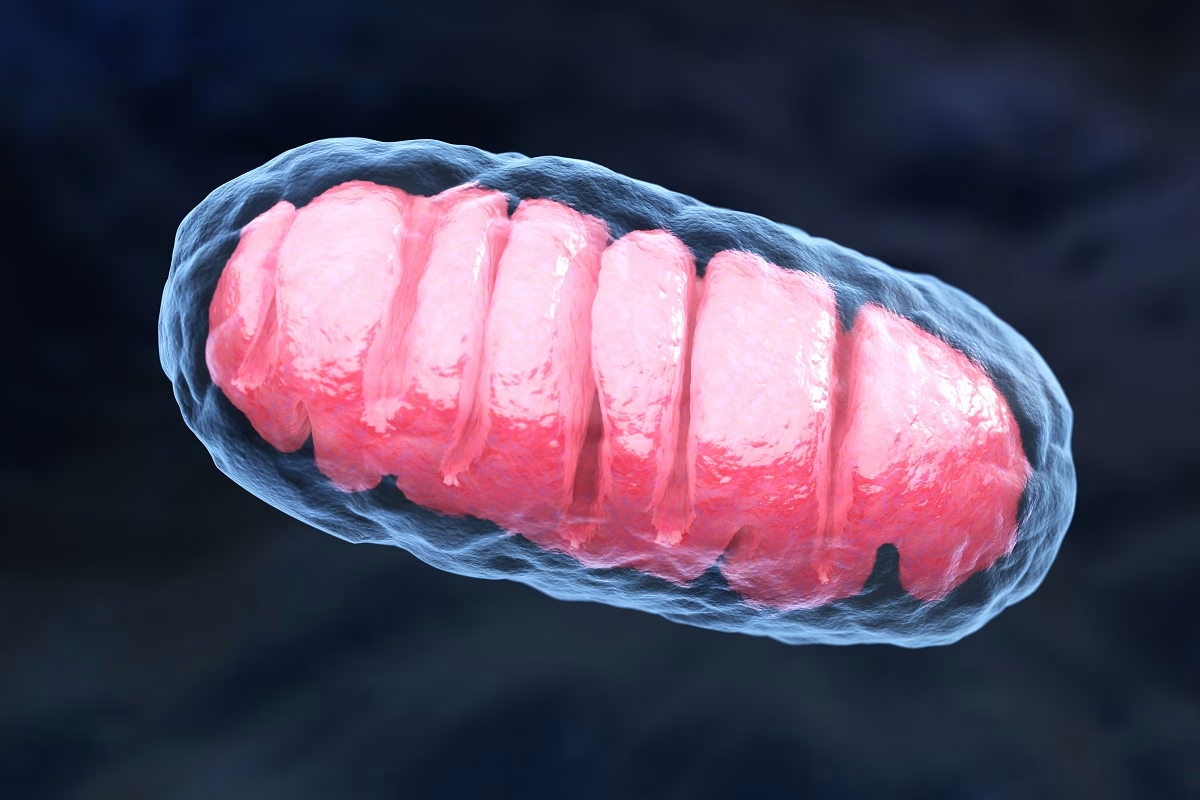
A group of genetic conditions that negatively affect the ability of mitochondria in cells to produce energy is called mitochondrial diseases. Almost all energy required for proper body function is produced by mitochondria. However, in people with a mitochondrial disease, these cells cannot produce enough energy. Moreover, it is not possible to cure this condition, but doctors may recommend some options to relieve the symptoms and prevent life-threatening complications.
Furthermore, mitochondria are present in almost all cells of the body, including the cells of the following structures and organs in the body. For example:
Sometimes, mitochondria are called “the powerhouse of the cell”. These cells are responsible for processing oxygen and nutrients you get from food into energy. They produce about 90% of energy in the body.
In general, about 1 in 5,000 people have mitochondrial disease. Furthermore, it is common for these diseases to receive a misdiagnosis because the symptoms can resemble other disorders.
Types of Mitochondrial Diseases
Physicians have divided this condition into several categories. Check the most common of them below:
- MELAS (mitochondrial encephalopathy, lactic acidosis, and stroke-like episodes) syndrome
- LHON (Leber hereditary optic neuropathy)
- Leigh syndrome
- KSS (Kearns-Sayre syndrome)
- MERRF (myoclonic epilepsy and ragged-red fiber disease)
Symptoms
The symptoms of this condition appear differently among people because they depend on several factors. For example, the severity and type of the condition, gender, age, and overall health. However, the symptoms may range from mild to severe. Check some general symptoms below:
- Poor growth
- Seizures
- Respiratory (breathing) problems
- Fainting
- Migraines
- Diarrhea
- Constipation
- Unexplained vomiting
- Acid reflux
- Swallowing problems (dysphagia)
- Vision or hearing loss
- Developmental delays
- Problems with cognitive development
- Hypotonia (muscle weakness) or muscle pain
While symptoms of mitochondrial diseases can be present at birth (congenital), they may appear later in life. In any case, if you or your child has any of the symptoms listed above, immediately contact your healthcare provider. Otherwise, it may lead to serious complications.
Causes
This condition occurs when mitochondrial cells do not produce enough energy for the body’s needs. It often occurs due to certain DNA changes that give different instructions to the mitochondria. Normally, DNA contains instructions that tell cells when to grow, multiply, and die. However, if there is a change in mitochondrial DNA, it may lead to reduced energy production. As a result, it may negatively affect your organs and organ system function, causing symptoms.
How Does Someone Get a Mitochondrial Disease?
In most cases, mitochondrial diseases run in families, and babies get this condition from their biological parents during pregnancy. It happens in an autosomal dominant or autosomal recessive pattern, which means that either one abnormal gene is enough to develop a mitochondrial disease. In rare cases, some people may develop new genetic mutations that cause mitochondrial diseases. It means they do not have a family history of the disease.
Risk Factors
While anyone may develop this condition, the following factors may increase your risk. Check some of them below:
- New mutations – These genetic mutations often occur randomly without being inherited from the biological parents.
- Family history – people who have a family member with mitochondrial disease are at higher risk of developing it.
- Maternal inheritance – There are some genetic mutations (such as a mutation in the mtDNA) that are passed directly from the mother to her child.
- Heteroplasmy – This is a combination of healthy and abnormal mitochondria that often determines the severity of the disease.
Furthermore, certain secondary factors may also make you more prone to mitochondrial diseases. Check some examples below:
- Age – These cells that produce energy degrade over time, which makes older adults more likely to develop a mitochondrial disease.
- Certain medicines – People who administer any of the following medicines are at higher risk of developing mitochondrial diseases. For example, certain antibiotics, anti-HIV medicines, and others. Never take medicines and supplements without a doctor’s approval because it may lead to unpleasant outcomes.
- Environmental factors – These include infections (including bacterial, viral, and fungal), high oxidative stress, prolonged exposure to chemicals, and others that can cause damage to the mitochondria.
- Other diseases – The following health conditions may negatively affect the mitochondria and their function. Examples include muscular dystrophy, type 1 diabetes, multiple sclerosis (MS), some types of cancer, Alzheimer’s disease, and others.
What Are The Possible Complications of Mitochondrial Diseases?
People with mitochondrial diseases often experience different complications, depending on which part of the body is mostly affected and the severity of the condition. Check below some complications often noticed in people with mitochondrial disorders:
- Strokes
- Diabetes
- Liver failure
- Cardiomyopathy
- Dementia
- Ptosis (also called drooping eyelids)
- Gastrointestinal disorders
- Kidney disease
- Pancreatic or parathyroid failure
- Infections
It is very important to get medical help right away if any of the previous complications occur because they can be life-threatening. Sometimes, physicians are able to prevent some of the complications listed above.
How to Prevent Mitochondrial Diseases?
In most cases, it is not possible to prevent these conditions, but doctors may recommend some tips to prevent worsening of the symptoms. For example:
- Do not skip meals
- Avoid long-term exposure to cold or heat
- Manage stress and chronic health conditions (such as hypertension, diabetes, hyperlipidemia, and others)
- Get enough sleep
Diagnosis
Most of the time, the diagnosis starts with a physical and neurological examination to check for abnormalities linked to the disease. Thereafter, doctors may ask some questions about your symptoms and medical history to gather more information about the condition. However, to confirm or exclude mitochondrial diseases, they often perform the following tests and procedures. Examples include:
- A spinal tap (also called a lumbar puncture) – This procedure involves a sample of blood, urine, or cerebrospinal fluid (CSF) for testing.
- DNA testing
- Electroencephalogram (EEG) – This test often helps identify brain problems and seizures.
- Audiogram – It is used to check your hearing.
- MRI (magnetic resonance imaging) scans
- Retinal examination or electroretinogram (ERG) to check your vision
- Electrocardiogram (EKG or ECG) or echocardiogram – These tests are used to measure the electrical activity of the heart muscle and check for other heart-related problems.
- Biopsy – During this procedure, doctors will take a sample of tissue for testing. They will look for changes in the body chemicals that are involved in energy production.

Treatment
Commonly, people with mitochondrial diseases get different treatments because they depend on several factors. For example, the severity and type of the condition, existing health problems, gender, age, and preferences. Check some options below:
- Medicines – Doctors may recommend pain relievers, anti-seizure medicines, antihypertensives, and others.
- Vitamins or supplements (including Riboflavin, Coenzyme Q10, and Carnitine)
- Dietary changes and physical exercise
- Physical, occupational, or speech therapy
- Assistive devices (including hearing aids)
Frequently Asked Questions
Are mitochondrial diseases difficult to diagnose?
Yes, in most cases, it is challenging to diagnose a mitochondrial disease because there are multiple tissues and organs involved. That’s why people often have different symptoms.
Is there a cure for mitochondrial disease?
Unfortunately, there is no way to cure this condition. That’s why the treatment goal is to ease the symptoms, prevent life-threatening complications, and improve your quality of life.
What is the life expectancy of a person with mitochondrial disease?
In general, the lifespan of people with these disorders varies significantly. While some people may develop a severe childhood form with very short life expectancy (in some cases, only several years), to mild and adult form that, with treatment, may not affect your lifespan. If you have any other questions, ask your healthcare provider.