
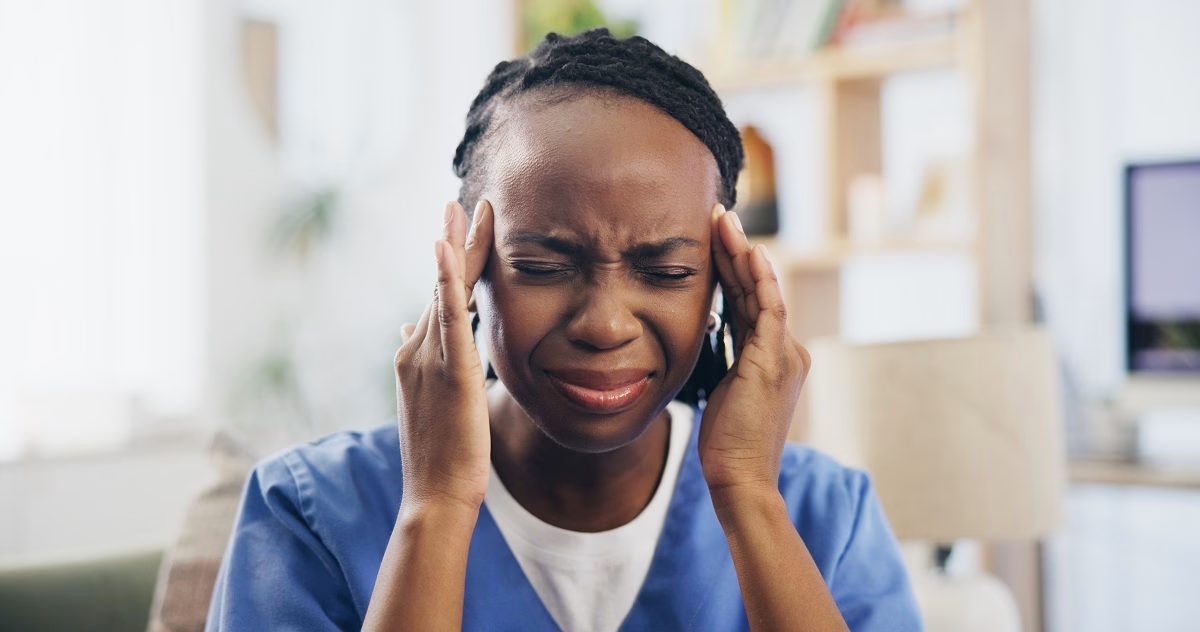
A health condition in which a person experiences headaches (a type of migraine) that occur before or during the menstrual period is called menstrual migraines. The symptoms a woman has during this period are more severe than a traditional headache. It causes throbbing or pulsing head pain, increased sensitivity to light, and nausea. Fortunately, there are some options that may help manage and prevent these symptoms.
In general, this condition occurs commonly among people who menstruate, and it is caused by hormonal changes. Most of the time, menstrual migraines affect only one part of the head and may worsen with movement, light, smells, or sounds. While some people experience these symptoms for a few hours, in some cases, they may last several days. Sometimes, this condition is called hormone headaches, period migraines, or hormonal migraines.
This condition affects about 12% of women in the U.S., and approximately 60% of them report that migraines occur around the time of their menstrual cycle.
Symptoms
While the main symptom of this condition is moderate to severe headaches, it may also cause other symptoms. Check some examples below:
- Photophobia (sensitivity to light)
- Appetite changes
- Dizziness
- Blurred vision
- Tiredness
- Sweating or chills
- Tender or sore scalp
- Nausea
- Vomiting
- Stomach upset
- Abdominal (belly) pain
In most cases, the previous symptoms begin two days before the menstrual period and last for 3 days. Do not hesitate to visit a doctor if any of the previous symptoms occur.
Causes and Risk Factors
Before and during the menstrual period, there are some hormonal changes that often cause menstrual migraines. One of the hormones is Estrogen (one of the two main sex hormones). The levels of Estrogen fluctuate, especially during the menstrual cycle. Usually, the lowest level of this hormone occurs during your period. As a result, this significant drop in this hormone causes throbbing or pulsing head pain and other symptoms.
While Estrogen often causes the symptoms of this condition, you may also experience severe headaches if administering the following medicines. These include birth control pills and hormone replacement therapy. Inform your healthcare professional about head pain, especially after using these medications. In most cases, doctors will modify the dose of the medicine or even change it.
Healthcare professionals have identified some factors that could make you more prone to menstrual migraines. Examples include genetic predisposition (family history of menstrual migraines), migraines that occur outside the menstrual cycle, contraceptive use, taking prostaglandins, perimenopause, and lifestyle factors (including stress, poor sleep habits, alcohol, and others).
What Are The Long-term Effects of Menstrual Migraines?
People who ignore the symptoms and do not get treatment may also experience some complications. Check some examples below:
- Increased risk of stroke and blood clots – People who experience migraine with aura and have the following symptoms are at higher risk of blood clots and stroke, especially if they are taking Estrogen-based contraceptives. For example, visual disturbances, numbness, and slurred speech.
- Long-term symptoms – In some cases, women who experience this condition may experience severe, long-lasting symptoms that are less responsive to medicines (such as Triptans).
- Disability – The symptoms of menstrual migraines can be as severe as it affects your daily routine.
- Menorrhagia and endometriosis – In some cases, severe menstrual migraines are associated with these health conditions.
- Secondary conditions – Rarely, people may experience menstrual migraines as a complication of Bell’s palsy, sensorineural hearing loss, and oculomotor cranial nerve palsies.
The previous list does not contain a full list of menstrual migraine complications. In any case, you can talk with your physician about ways to reduce the risk or even prevent them.
How to Prevent Menstrual Migraines?
In general, this condition can be managed and prevented. Doctors often prescribe medicines that should be taken daily. The dose of these medications should be slightly increased before menstrual periods.
Diagnosis
First, physicians will perform a physical examination to check for abnormalities linked to the disease. Therefore, they may ask some questions about your family history and the symptoms you experience. However, they often diagnose menstrual migraines by ruling out other disorders that cause similar symptoms. Check some tests below:
- Imaging tests – The following tests are used to get detailed images of different structures and organs in the body. Physicians usually perform CT (computed tomography) scans or MRI (magnetic resonance imaging) scans.
- Blood tests – These tests are often done to check hormone levels that often fluctuate during the menstrual cycle.
Your doctor may also recommend keeping a migraine journal. It involves recording your symptoms, which often helps to understand when they occur and how long they last.
Treatment
Fortunately, there are multiple medications that can relieve or prevent menstrual migraines. Check below for the most common medicines prescribed for people with this condition:
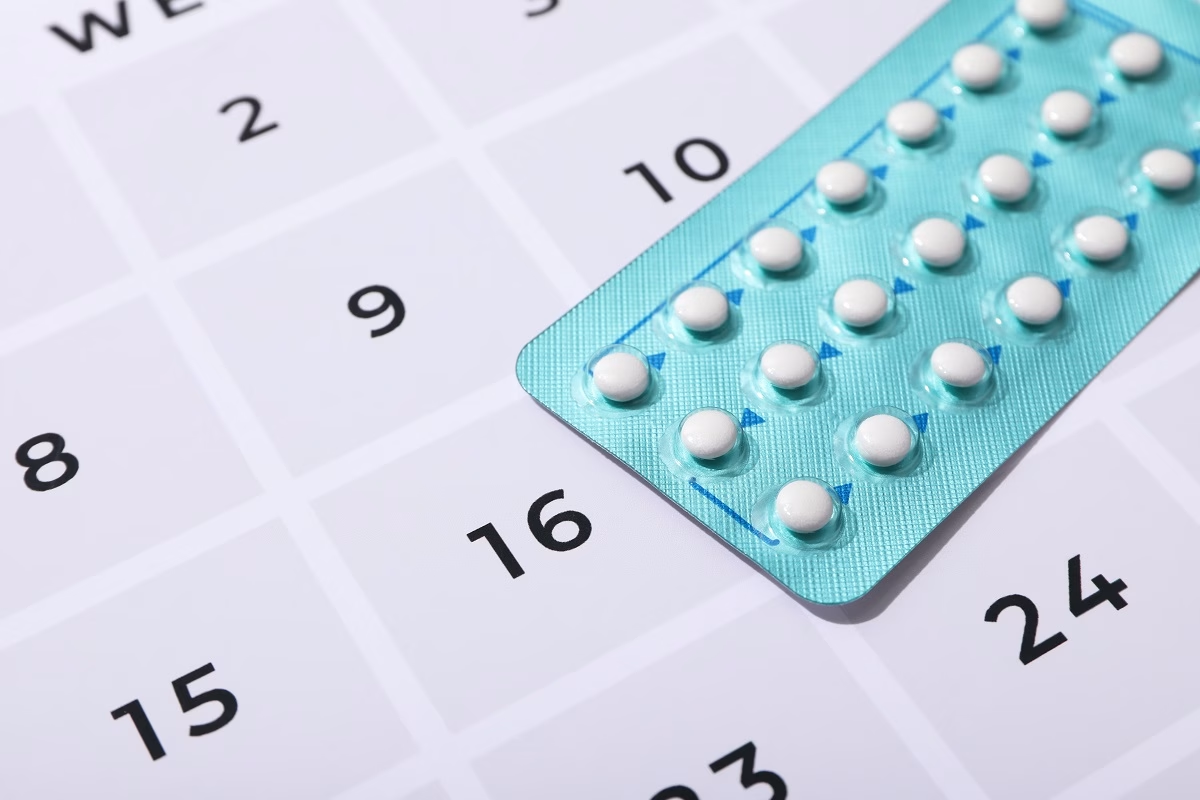
- Oral birth control pills – Sometimes, people experience menstrual migraines due to these medicines. In this case, doctors often reduce the dose or even change the medicine.
- Nonsteroidal anti-inflammatory medicines (NSAIDs) – This group of medicines is used to reduce inflammation and pain. Usually, you should take NSAIDs 2-3 days before the menstrual period.
- Triptans (selective serotonin receptor agonists) – This is a common medicine used to treat migraines. They often come in oral tablets, injections, or nasal sprays.
- Hormone therapy – This therapy is used to regulate hormone changes during the menstrual period.
In general, the primary medicines used to treat menstrual migraines include antiseizure medicines (such as Topiramate and Valproate), antidepressants (including Amitriptyline or Venlafaxine), or Antihypertensives (such as Propranolol or Candesartan).
Sometimes, Metoclopramide, Dehydroergotamine, or Cacitonin gene-related peptide (CGRP) antagonists may help prevent or reduce the severity of the symptoms in people with menstrual migraines. Commonly, doctors prescribe a combination of medicines to relieve the symptoms. Furthermore, your doctor may also recommend some supplements. These include Magnesium oxide (about 400 milligrams at bedtime), Riboflavin (200 milligrams twice daily), or CoQ10 (300 milligrams in the morning).
Home Remedies
In some cases, you can relieve the symptoms of this condition with the following remedies. Check some tips below:
- Get enough sleep and drink plenty of water
- Adopt a well-balanced diet (avoid skipping meals)
- Manage stress
- Perform regular physical exercise
Frequently Asked Questions
How long do period headaches last?
While some people may experience symptoms for a few hours, others may have moderate to severe migraines for several days. In any case, if they occur, it is advised to see a doctor for diagnosis and treatment.
What is the relationship between hormones and headaches?
Most of the time, period headaches occur due to changes in Estrogen levels during the menstrual cycle. However, doctors may recommend some medicines and therapies to manage the symptoms.
What does a hormone headache feel like?
People who report menstrual migraines describe them as throbbing or pulsing head pain that is more severe compared to other headaches they have experienced. If you have additional questions, ask your healthcare provider.