
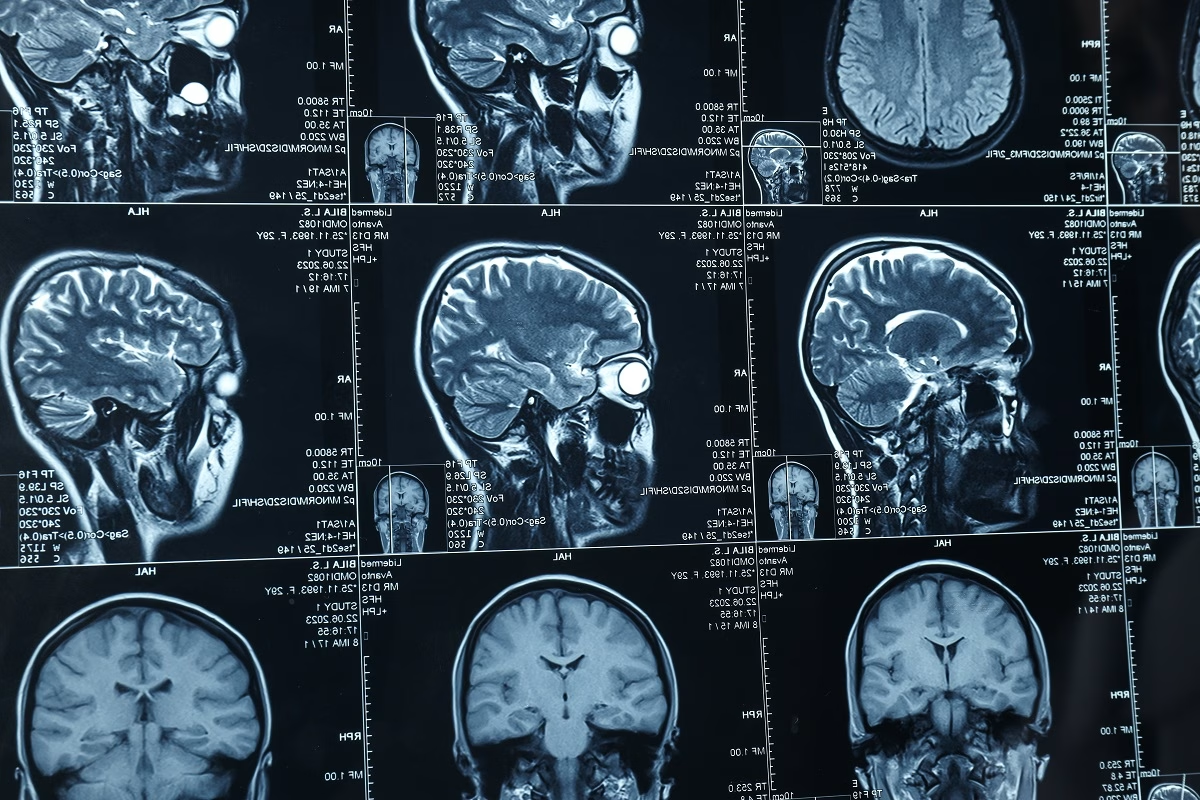
A serious bacterial infection that occurs due to Neisseria meningitides (N. meningitides) bacteria and shares multiple symptoms with the cold and flu is called meningococcal disease. One of the common symptoms of this bacterial infection is neck stiffness. It is often treated with antibiotics, and early diagnosis is the key to a better recovery.
In other words, this bacterial infection is caused by N. meningitides bacteria that affects the meninges and blood. Sometimes, this infection is called meningococcus. The brain and spinal cord have 3 protective layers (meninges). They protect what they surround (such as the skin around an orange or grapefruit).
However, this infection occurs rarely. For instance, there were about 400 cases of meningococcal disease in the United States in 2023. It is important to understand that this bacterial infection can be fatal without treatment.
Symptoms
People who develop this bacterial infection often experience the following symptoms. Examples include:
- Increased sensitivity to bright light
- Diarrhea
- Fever
- Headaches
- Skin rash that often looks like dark or discolored pinpoints
- Neck stiffness
- Nausea
- Vomiting
In more severe cases, people may experience additional symptoms. Check some of them below:
- Appetite changes
- Joint or muscle pain
- Grunting and moaning
- Walking problems
- Drowsiness
- Confusion
- Irritability
Furthermore, children with this infection may experience other symptoms. These include irritability for no reason, extreme tiredness (fatigue), lack of appetite, or a bulging soft spot in the skull. If you or your child experiences any of the previous symptoms, immediately get medical care. Otherwise, it may lead to life-threatening complications.
Causes and Risk Factors
This infection occurs due to a bacterium called N. meningitides. However, this is a very contagious bacterial infection, which means it easily spreads from one person to another through close contact with an infected person. These include kissing, coughing, sharing drinks or eating utensils (such as forks or spoons), sneezing, and others. Moreover, this bacterium cannot live outside the body.
There are some factors that may increase your risk of developing meningococcal disease. Check some examples below:
- Age – Children under 12 months of age.
- Spleen injury or a lack of spleen
- Sickle cell disease
- Smoking (including secondhand smoking)
- Live or travel to areas where there are a lot of people (such as a college campus or military barracks)
- Administer complement inhibitors medicines (including Ravulizumab and Eculizumab)
- Visit areas where meningococcal disease is common (such as sub-Saharan Africa)
What Are The Long-term Effects of Meningococcal Disease?
This is a very serious bacterial infection with a mortality rate of 15% even with treatment. Approximately 20% of people who survive will experience permanent (chronic) complications. Check some examples below:
- Amputation – This complication is caused by gangrene due to blood clotting and restricted blood flow.
- Neurological damage – This infection may cause permanent damage to the brain, which may lead to cognitive impairments, learning problems, behavioral changes, and seizures.
- Hearing loss – For example, temporary or permanent hearing loss.
- Physical disability – These include skin scarring, chronic (long-term) pain, and joint problems (arthritis).
- Organ damage or failure
- Psychological effects – It may also cause post-traumatic stress disorder (PTSD) and anxiety (especially in children)
- Septic shock – This is a life-threatening drop in blood pressure.
- Disseminated intravascular coagulation (DIC) – This complication causes blood clots throughout the bloodstream.
The previous list does not contain a complete list of complications, but you can talk with your doctor about measures to reduce the risk or even prevent the previous complications.
How to Prevent Meningococcal Disease?
There are several ways that may help prevent this disease. Check some tips below:
- Avoid infected people – You should avoid direct contact with people who are sick. It is also recommended to avoid sharing food and drinks. If you want to spend time with an infected person, it is advised to wear a mask that covers the nose and mouth. Regularly wash your hands with soap and warm water if you have been in contact with an infected person.
- Vaccines – In general, there are 3 vaccines available in the U.S. to prevent meningococcal disease. For example, meningococcal conjugate vaccines, pentavalent vaccines, and serogroup B meningococcal vaccines. For more details, discuss it with your physician.
- Preventive antibiotics – Doctors may suggest antibiotics if you are administering complement inhibitors or were in contact with an infected person.
Diagnosis
Commonly, it is difficult to diagnose this condition because it causes symptoms that resemble other conditions (such as the cold or flu). However, when doctors suspect meningococcal disease, they may perform blood tests and a spinal tap (also called a lumbar puncture) to collect spinal fluid for testing. Therefore, doctors will look for the bacteria that cause this serious disease. Sometimes, they may also perform a PCR test.
Treatment
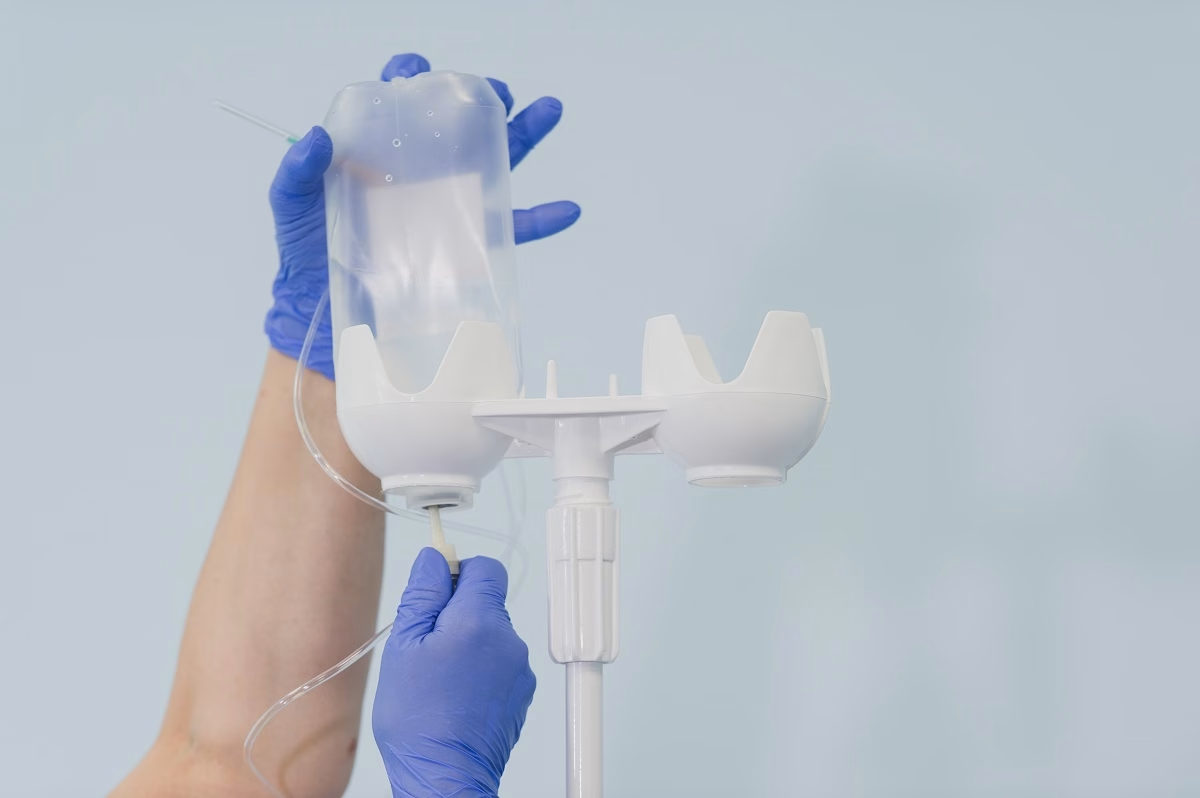
Most of the time, meningococcal disease is treated with intravenous (IV) antibiotics (such as Ceftriaxone or Penicillin). Sometimes, doctors may give you antibiotics even before an official diagnosis if they suspect this disease, because it is very important to get treatment as soon as possible. Besides antibiotics, doctors may also prescribe the following medicines and procedures. Examples include:
- Corticosteroids – This group of medicines is used to reduce inflammation in the nervous system.
- IV fluids
- Oxygen therapy
- Medicines to treat low blood pressure
- Surgery – During this procedure, surgeons will remove dead and damaged skin.
Frequently Asked Questions
When should I see my healthcare provider?
It is recommended to see a doctor if you or your child has symptoms that resemble meningococcal disease. You should also visit a doctor if the treatment does not work or if you experience reactions to the treatment.
What is the difference between meningococcal disease and meningitis?
While these conditions sound the same, there are some differences between them. For example, meningococcal disease is caused by a bacterium called N. meingitidis, but meningitis refers to inflammation of the meninges (the protective layers of the brain and spinal cord).
What is the difference between meningococcal disease and meningococcemia?
Another serious bacterial infection caused by the same bacterium is called meningococcemia. It occurs when the bacterium enters the bloodstream and causes an infection. Sometimes, this condition can destroy blood vessels. If you have additional questions, ask your healthcare provider.

