
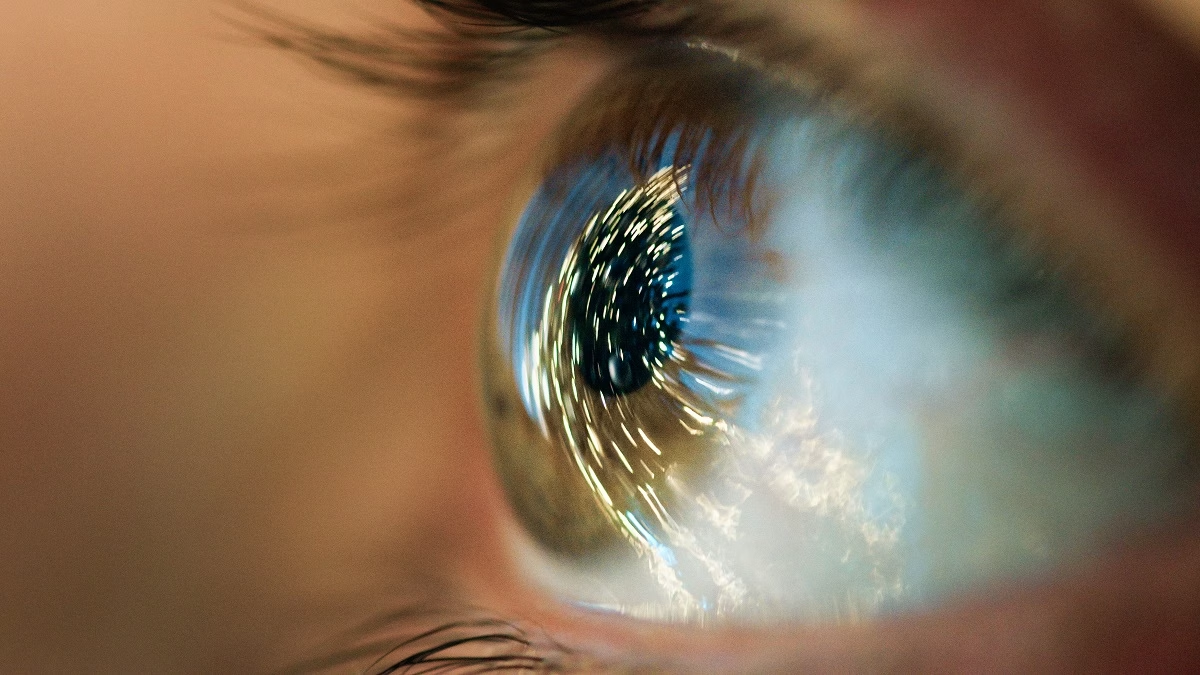
A health condition in which the glands near the lids do not make enough oil or good-quality oil is called Meibomian gland dysfunction (MGD). This oil is needed to protect the eyes themselves. Usually, dry eyes can cause other problems. Doctors often recommend eye drops and gland probes to treat this condition.
In general, Meibomian glands are the parts of the eye that produce oil (meibum), which helps keep the outer layer of the eyes moist. While MGD can be congenital (present at birth), some people may develop it later in life. Rarely, people may develop a type of MGD in which the glands fill up, and oil cannot get out (obstructive MGD).
This is a common health condition that affects about 35% of people worldwide. Moreover, about 70% of older adults have MGD in the U.S.
Symptoms
While some people do not experience any symptoms, others may experience the following ones. These include:
- Swollen eyelids
- Feeling like there is something in the eye
- Blurred vision
- Red or sore eyes
- Itching or a burning sensation in the eyes
- Sticky and crusty substances on your eyelids
- Styes and chalazions that keep coming back
- Watery eyes
If you or your child has any of the previous symptoms, do not hesitate to visit a doctor for a diagnosis and treatment. Furthermore, Meibomian gland dysfunction is one of the most common causes of dry eye syndrome.
Causes and Risk Factors
This condition often occurs when the Meibomian glands become blocked. Sometimes, people may develop MGD due to the poor quality of the oil that these glands secrete. However, doctors have identified some factors that could increase your risk of developing MGD. These include:
- Glaucoma
- Hormone replacement therapy
- Medicines that reduce androgen levels
- Aging – Older adults (over 60 years old) are more prone to developing MGD.
- Allergic reactions
- Contact lenses
- Hormonal imbalances
Check below also autoimmune disorders that increase the risk of MGD:
- Lupus
- Rosacea
- Sjogren’s syndrome
- Psoriasis
- Rheumatoid arthritis
However, there are other health conditions that can increase your risk of MGD. These include:
- Aniridia
- Eye infections (such as trachoma)
- Hypertension (high blood pressure)
- High cholesterol
- Stevens-Johnson syndrome
- Chronic blepharitis
What Are The Possible Complications of Meibomian Gland Dysfunction?
People who develop this condition may also experience some complications, especially if they leave it untreated. One of the most common complications is dry eye syndrome, but it may also cause other complications. Check some of them below:
- Chronic dry eye disease (DED) – This complication may cause a quick tear evaporation, which leads to persistent irritation and dryness.
- Corneal damage – Without treatment, this complication may cause permanent scarring and vision loss.
- Blepharitis and inflammation
- Styes and chalazia (these are recurrent eyelid bumps and infections)
- Vision changes (such as blurred vision, increased sensitivity to light), and others)
- Ocular infections – Reduced eye lubrication significantly increases the risk of bacterial or viral infections.
- Decreased quality of life
This article does not contain a complete list of MGD complications. In any case, you can talk with your doctor about measures to reduce the risk or even prevent them.
How to Prevent Meibomian Gland Dysfunction?
Usually, doctors recommend the following tips to reduce the risk of developing MGD. For example:
- Manage chronic health conditions – These include high cholesterol, hypertension (high blood pressure), diabetes, and others.
- Avoid allergens, staying out of the wind, and limit screen time when it is possible
- Regular eye examinations
- Regularly clean contact lenses
- Keep the eyes and lids clean
Diagnosis
Most of the time, the diagnosis of MGD begins with an eye examination to check for abnormalities linked to the disease. They may also ask some questions about the symptoms and medical history to get more information about your condition. However, to confirm or rule out MGD, doctors may perform the following tests. For example:
- Oil expression – During this test, doctors will press on the lids to see how much oily substance comes out.
- Tear film breakup test – This test involves putting a drop of dye into the eye and blinking to spread it. After that, doctors use a slit lamp to determine how long it takes for the tear film to break apart.
- Schirmer test (also called Schirmer tear test) – Doctors often perform this test to measure how far down the test strip moisture goes. However, doctors will put strips into the right and left eyes and then pull down the lower eyelid to put a bent part of the strip between the eye and the lower lid.
- Sampling – There are some specific tests used to determine what substances (such as proteins) make up your tears.
- Miebography – This is an imaging test used to get detailed images of the Meibomian glands. Physicians often perform optical coherence tomography (OCT) and laser imaging.
Treatment
Doctors often prescribe different treatments for people with MGD because they depend on several factors. These include the severity of the condition, gender, age, and preferences. Check below some treatment options often recommended by doctors for people with MGD:
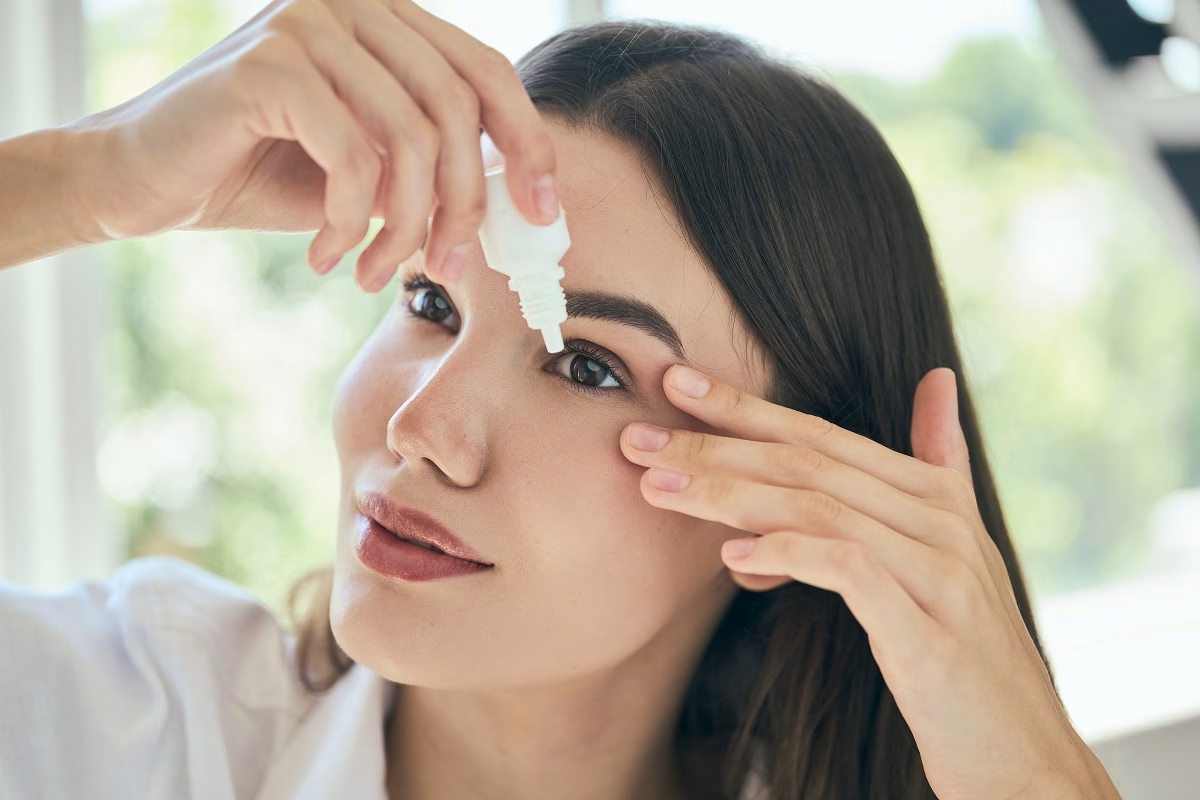
- Lubricants for the eyes
- Topical anti-inflammatory medicines (such as steroids and cyclosporine)
- Treatment for underlying conditions (such as a mite infestation)
- Procedures that help unblock glands and press out oil. Doctors often recommend probes, lasers, or machines.
- Medicines or ointments for infections
Home Remedies
Your doctor may also recommend the following remedies to improve the effectiveness of the treatment and reduce symptoms. For example:
- You can put warm, wet, and clean washcloths over the eyelids to loosen the oil
- Press gently on the eyes near the lashes to massage the glands
- Clean the eyelids and lashes with or without mild soap or baby shampoo
- Do not spend a long time in the wind
- You can also administer omega-3 supplements in the form of fish oil or flaxseed oil
Frequently Asked Questions
How long does it take to recover from the treatment of Meibomian gland dysfunction?
In general, people would not have to recover from multiple MGD treatments. Sometimes, people may need surgery to recover from MGD.
When should I see my healthcare provider?
Usually, it is recommended to see a doctor if you experience sight-related issues (such as eye pain or blurred vision). You should call 911 or go to the nearest emergency room (ER) if you experience a sudden loss of vision.
Does Meibomian gland dysfunction go away?
Commonly, MGD is a chronic health condition for some people. For instance, if you have an autoimmune disorder, you will need treatment for the rest of your life, which may cause this condition to return from time to time. If you have any other questions, ask your healthcare provider.