
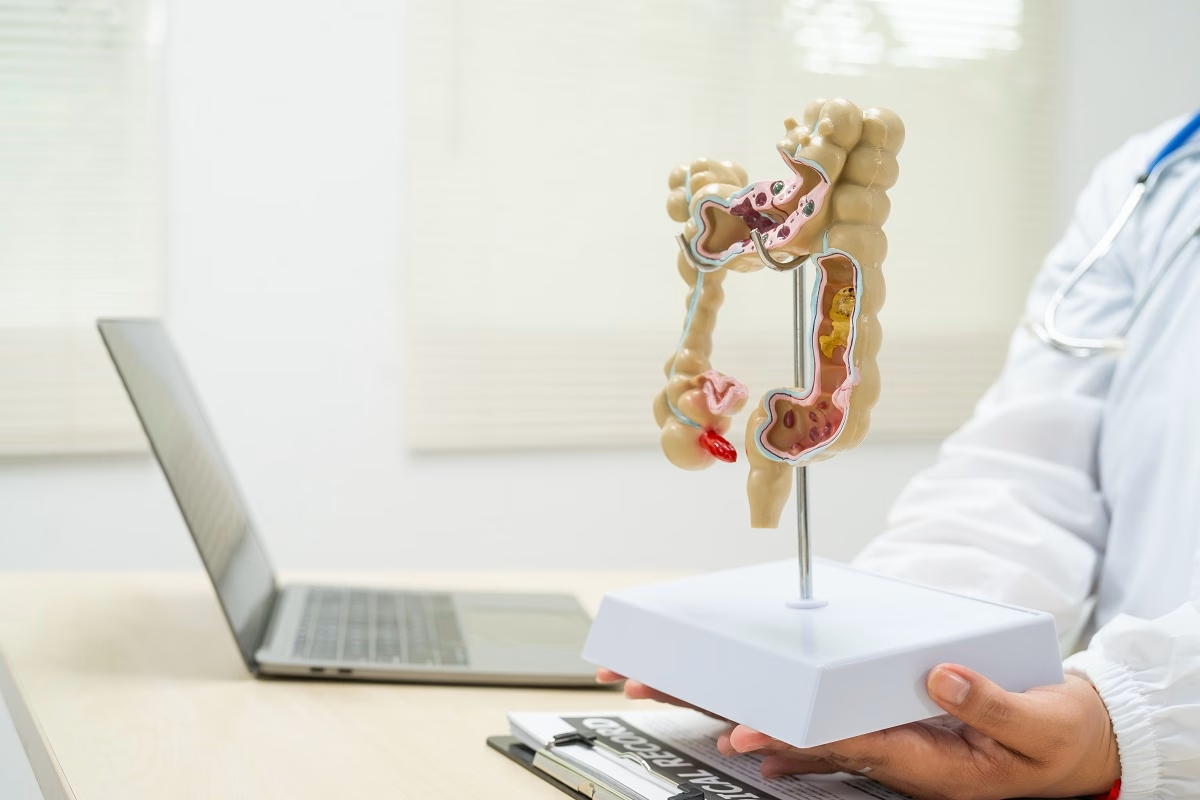
A rare health condition that causes tumors known as gastrinomas to develop in the pancreas or intestine is called Zollinger-Ellison syndrome (ZES). Therefore, tumors produce and release a hormone called gastrin that triggers an overproduction of gastric acid. When stomach acid becomes too much, it may cause ulcers and other serious complications. Moreover, some types of gastrinomas are cancerous.
Usually, people who develop this syndrome experience severe peptic ulcer disease and chronic (long-term) diarrhea. Generally, gastrinomas are a type of neuroendocrine tumor that often appears in the pancreas and duodenum (the first part of the small bowel). Approximately 60% of all gastrinomas are cancerous. Sometimes, ZES is called pancreatic ulcerogenic tumor syndrome.
The treatments are also different for people with ZES because they depend on multiple factors. For example, your age, existing health problems, and others. Doctors usually recommend medicines and surgery to remove the tumor.
Symptoms
While some people may not experience any symptoms, some people may develop moderate to severe symptoms. Check some examples below:
- Extreme tiredness (fatigue)
- Weakness
- Gastrointestinal bleeding
- Blood in the stool or vomit
- Fatty or greasy stools
- Heartburn
- Indigestion
- Appetite changes
- Nausea
- Vomiting
- Unusual weight loss
The symptoms usually depend on the size of the tumor and how many you develop. Without treatment, these tumors may break and spread (metastasize) to the liver. People with liver cancer may experience the following symptoms, including pruritus (itchy skin), jaundice (yellowing of the eyes and skin), and others.
Causes
Most diagnosed cases occur for unknown reasons. However, roughly 25% of people with Zollinger-Ellison syndrome also have MEN (multiple endocrine neoplasia) type 1. This is a rare endocrine disorder that negatively affects the glands of the endocrine system.
Risk Factors
While it is not always possible to determine the exact cause of the disease, doctors have identified some factors that may increase the risk of developing it. Check some examples below:
- Multiple endocrine neoplasia type 1 (MEN1) – This is an inherited disorder that affects the glands in the endocrine system and increases the risk of developing ZES.
- Age and gender – This condition mostly affects males, especially between the ages of 20 and 50, according to some research.
- A family history of MEN1 – If you have a parent or sibling with MEN1, your risk of developing ZES significantly increases.
What Are The Potential Complications of Zollinger-Ellison Syndrome?
People with this syndrome may also develop some complications. Check some examples below:
- Severe peptic ulcers
- Esophageal stricture and esophagitis
- Gastrointestinal bleeding
- Perforation that often occurs due to overproduction of stomach acid
- Anemia
- Peritonitis
- Steatorrhea
- Malabsorption
- Metastasis
- Bowel obstruction
This article does not contain all possible complications of ZES. You can also discuss with your healthcare professional about ways to reduce the risk or prevent complications of this syndrome.
How to Prevent Zollinger-Ellison Syndrome?
There are some tips that may help reduce the risk of developing ZES. For example:
- If you have a family history of MEN1, it is recommended to perform genetic tests before becoming pregnant to understand the risks of having a child with ZES.
- Lifestyle changes (these include limiting alcohol consumption, quitting smoking, and others)
- Regular check-ups (if you are at increased risk of developing ZES, you should have regular checkups)
Diagnosis
Physicians usually begin the diagnosis of ZES with a physical examination and questions about your symptoms and medical history. If your doctor suspects ZES, he/she may perform the following tests. For example:
- Blood tests – These tests are often done to check for gastrin levels in the blood.
- Imaging tests – The following imaging tests are done to check for tumors that are often present in people with ZES. Usually, doctors perform CT (computerized tomography) scans or MRI (magnetic resonance imaging) scans.
- Stomach acid test – During this procedure, doctors will insert a specific tube through the nose or throat into the stomach to get a sample of the gastric acid for testing.
When previous tests detect tumors, physicians may order more tests to confirm the condition and exclude other conditions that cause similar symptoms. For example:
- Endoscopy – This test is used to examine the upper part of the gastrointestinal tract, pancreas, and duodenum.
- Endoscopic ultrasound – This test involves endoscopy and ultrasound to get detailed images of the gastrointestinal tract.
- ERCP – This test is used to look inside the bile ducts and pancreatic ducts.
- Fine-needle aspiration – This test involves the removal of a small sample of the tumor for testing. It helps identify cancerous cells.
Treatment
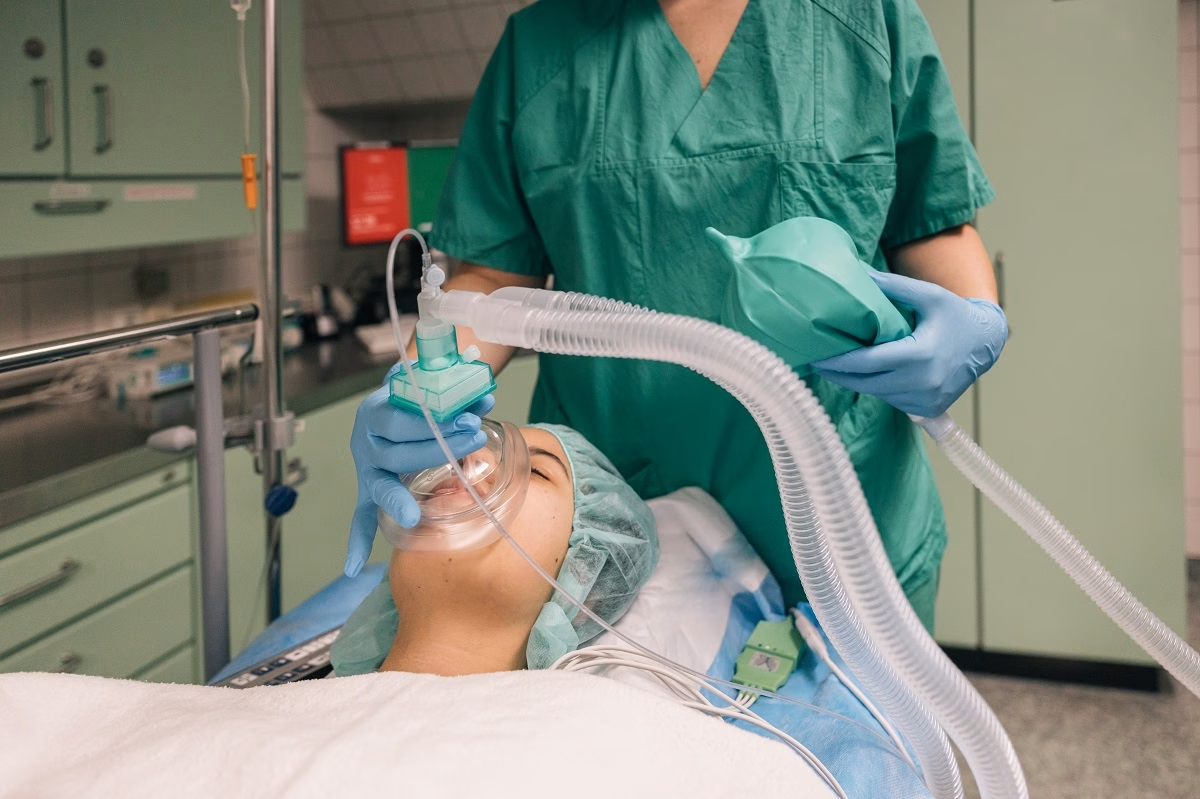
Treatment is often different among people with ZES because it depends on several factors. These include the type, location, and size of tumors, existing health problems, age, and others. However, doctors usually recommend medications, surgery, and, when needed, cancer therapy.
Medicines
Doctors commonly prescribe proton pump inhibitors (PPIs) to reduce the production of gastric acid, which helps lessen the symptoms.
Surgery
The following procedures are often recommended by doctors to remove the tumors. These include:
- Duodenectomy – During this procedure, surgeons will make a small cut (incision) in the small intestine to remove the tumor.
- Gastrectomy – In such cases, surgeons will remove a part of or all of your stomach.
- Liver surgery – The removal of tumors from the liver.
- Pancreatectomy – This surgery is used to remove a part of or all of the pancreas.
- Tumor enucleation – This treatment is often recommended for people who develop tumors at the top of the pancreas.
Treatment for Cancer
Usually, doctors recommend chemotherapy. This treatment involves strong medicines that help destroy cancerous cells throughout the body. It often helps relieve the symptoms. While it can be used before surgery to shrink large tumors, it may also be prescribed after surgery to destroy cancer cells that may remain even after surgery.
Frequently Asked Questions
Can Zollinger-Ellison syndrome be cured?
This condition can sometimes be cured by removing gastrinoma (tumors that produce gastrin), especially if it is a single tumor and has not spread to other parts of the body. Generally, the cure rate is low, ranging from 20% to 45%. For more details, discuss it with your doctor.
What is the survival rate for Zollinger-Ellison syndrome?
More than 90% of people will live at least 5 years after diagnosis with treatment that removes the tumors. However, the 5-year survival rate decreases to 43% if tumors are not removed.
What are the common signs and symptoms of Zollinger-Ellison syndrome?
These include nausea, vomiting, unusual weight loss, diarrhea, and abdominal (belly) pain. If any of the previous symptoms occur without an obvious reason, immediately contact your healthcare provider. If you have additional questions, ask your healthcare provider.