
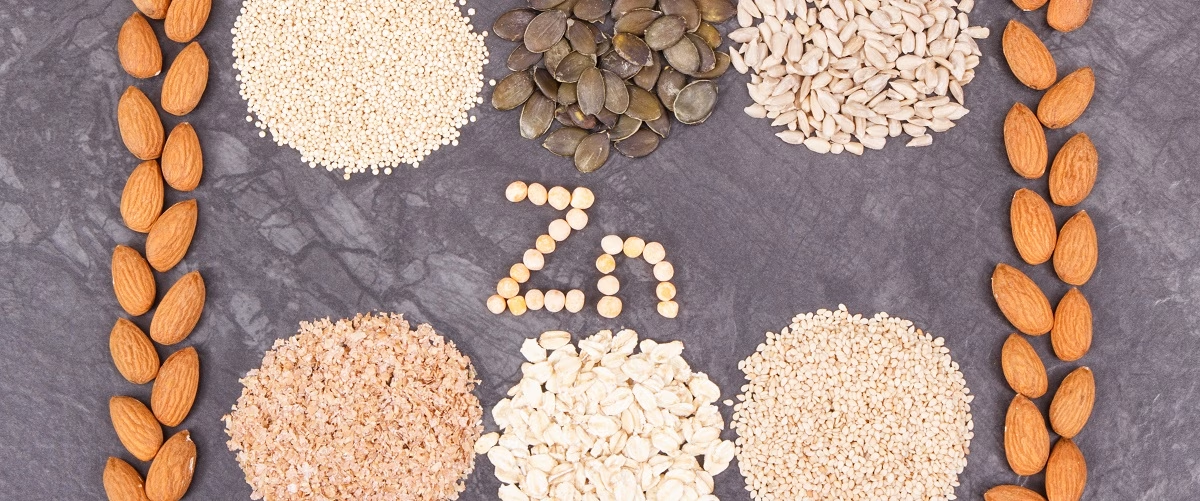
A condition in which Zinc levels in the body are reduced is called Zinc deficiency. This is a mineral in the body that is involved in multiple processes. Usually, it occurs when you do not eat enough foods that contain Zinc or have health problems that prevent the body from absorbing it. The most common symptoms of Zinc deficiency include skin rashes or lesions, nail changes, hair loss, and diarrhea (which often occurs in infants).
This is a vital mineral that performs important work in the body, from fighting germs and healing wounds to supporting a healthy pregnancy. You should make sure you eat enough Zinc-rich foods because the body cannot produce it on its own. In some cases, doctors may recommend Zinc supplements. When Zinc levels are little reduced, it is called Zinc inadequacy. Zinc deficiency is often referred to as very low or a lack of Zinc in the body, which leads to multiple health problems that interfere with your daily activities. Fortunately, this condition can be treated.
Symptoms
The symptoms of this condition usually appear differently among people. It depends on your age, how much Zinc is missing, and other factors. Check some examples below:
- Frequently getting sick
- Diarrhea
- Delayed growth and development (in infants, children, and adolescents)
- Hair loss
- Nail changes (such as brittle texture, discoloration, and others)
- Lack of energy
- Irritability
- Loss of taste, smell, or appetite
- Reduced sperm count
- Skin lesions or rash
- Slow wound healing
If you experience any of the previous symptoms without obvious reasons, immediately contact your healthcare professional.
Causes
People usually experience this condition when they do not eat enough Zinc-rich foods, experience health conditions that negatively affect the body’s ability to absorb and use Zinc, or get medical treatment that affects the absorption of Zinc.
Nutritional Causes
There are some foods (such as meat, fish, and eggs) that are high in Zinc. One cause of Zinc deficiency is not eating enough Zinc-rich foods. Usually, those who are vegetarians do not eat enough foods that contain Zinc. However, they eat a lot of foods that contain phytates. These include whole grains, nuts, beans, and others. These phytates limit the amount of Zinc that can be absorbed by the body. Moreover, the Zinc you are getting from plant-based products may not stick in the body.
Health Conditions
The following condition may also cause Zinc deficiency. For example:
- Eating disorders (such as anorexia nervosa)
- Other nutritional deficiencies (including undernutrition)
- Alcohol use disorder
- Celiac or Crohn’s disease
- Burns on the skin
- HIV infection
- Kidney or liver disease
- Pancreatic disorders
- Pregnancy
- Short bowel syndrome
- Sepsis
- Ulcerative colitis
- Type 2 diabetes
Zinc deficiency occurs because previous conditions prevent the digestive system from absorbing Zinc, increase the body’s demand for Zinc, or cause the body to lose more Zinc than usual.
Risk Factors
There are some medical treatments that may also cause low levels of Zinc in the body. Check some examples below:
- Bariatric surgery
- Chelation therapy
- Diuretics
- Hemodialysis
- Parenteral nutrition
- Antibiotics and others
You may wonder if Zinc deficiency can be genetic. Yes, but in rare cases. Commonly, people develop this condition due to previous causes, including medical treatments, health conditions, and nutritional deficiencies. For instance, there is a condition that causes Zinc deficiency, and it is known as Acrodermatitis enteropathica. It often happens in about 1 out of 500,000 newborns.
What Are The Possible Complications of Zinc Deficiency?
When you develop this condition, you may experience some complications, especially without treatment. Check some examples below:
- Weakened immune system
- Poor wound healing
- Hair loss
- Skin rashes or lesions
- Diminished sense of taste and smell
- Growth retardation in children
- Appetite changes
- Weight loss
- Mental health problems (in severe cases)
- Delayed sexual development in adolescents
This article does not contain all possible complications of Zinc deficiency. However, you can talk with your doctor about measures to reduce the risk or prevent complications.
How to Prevent Zinc Deficiency?
To prevent this condition and potential complications, you should prioritize your dietary intake of Zinc-rich foods. Check below for other tips that may help prevent this condition:
- Dietary changes – You should add to your diet more poultry, meat, seafood, dairy products, nuts, seeds, and legumes. It is important to know that eating a lot of foods that contain phytic acid may reduce Zinc absorption.
- Manage chronic health conditions – Certain conditions may affect the absorption of Zinc. These include Crohn’s disease, diabetes, and others.
- Regular check-ups – If you are at increased risk of Zinc deficiency, you should monitor your Zinc levels regularly.
- Supplements – These supplements may help restore Zinc levels in the body. However, Zinc supplements can be administered only under medical supervision. Taking too much Zinc can be toxic and lead to unpleasant results.
Diagnosis
Usually, doctors perform a physical examination to check for abnormalities linked to the condition first. Then, they may ask some questions about the symptoms, diet, and medical history. When it is not clear, physicians perform a blood or urine test to check Zinc levels and rule out other conditions that cause similar symptoms.
Treatment
In most cases, people develop this condition due to nutritional deficiencies. Thus, doctors treat it with Zinc supplements and dietary and lifestyle changes. Never take these supplements without a doctor’s approval, especially for long periods. Otherwise, it may lead to nausea, vomiting, diarrhea, abdominal cramps, and other unpleasant results.
Frequently Asked Questions
How can I naturally add more Zinc to my diet?
Check below some foods that may help supply the daily Zinc intake:
- Baked beans
- Nuts (such as cashews, almonds, and others)
- Peas
- Poultry and red meat
- Seeds
- Wheat germ
- Wild rice
This document does not contain a full list of foods that can help restore Zinc levels in the body. For more details, discuss it with your healthcare professional.
When should I see my healthcare provider?
If you experience moderate to severe symptoms and think they are caused by Zinc deficiency, immediately contact your healthcare professional.
Can Zinc deficiency affect my fingernails?
Yes, people who do not have enough Zinc in their bodies may experience nail dystrophy. While some people develop specific lines on their nails (also known as Beau’s lines), others may notice that their nails grow more slowly than usual.
Does Zinc reduce belly fat?
Certain studies suggest that Zinc supplements may contribute to weight loss, especially in obese people. Ask your healthcare professional if you have additional questions.