
A medical term used to describe factors and conditions that cause damage to the white matter of the brain is called white matter disease. It often occurs due to decreased blood flow to the brain’s tissue. When it happens, people may experience problems with movement, balance, and memory. Those who suffer from cardiovascular conditions are more prone to develop this disease.
White matter in the brain is a structure of nerve fibers that connect multiple areas of the brain and the spinal cord. This condition is also known as a cerebral small vessel or microvascular disease. It often occurs due to changes in the blood vessels and aging. While some people develop a mild form of the disease, it may also be severe.
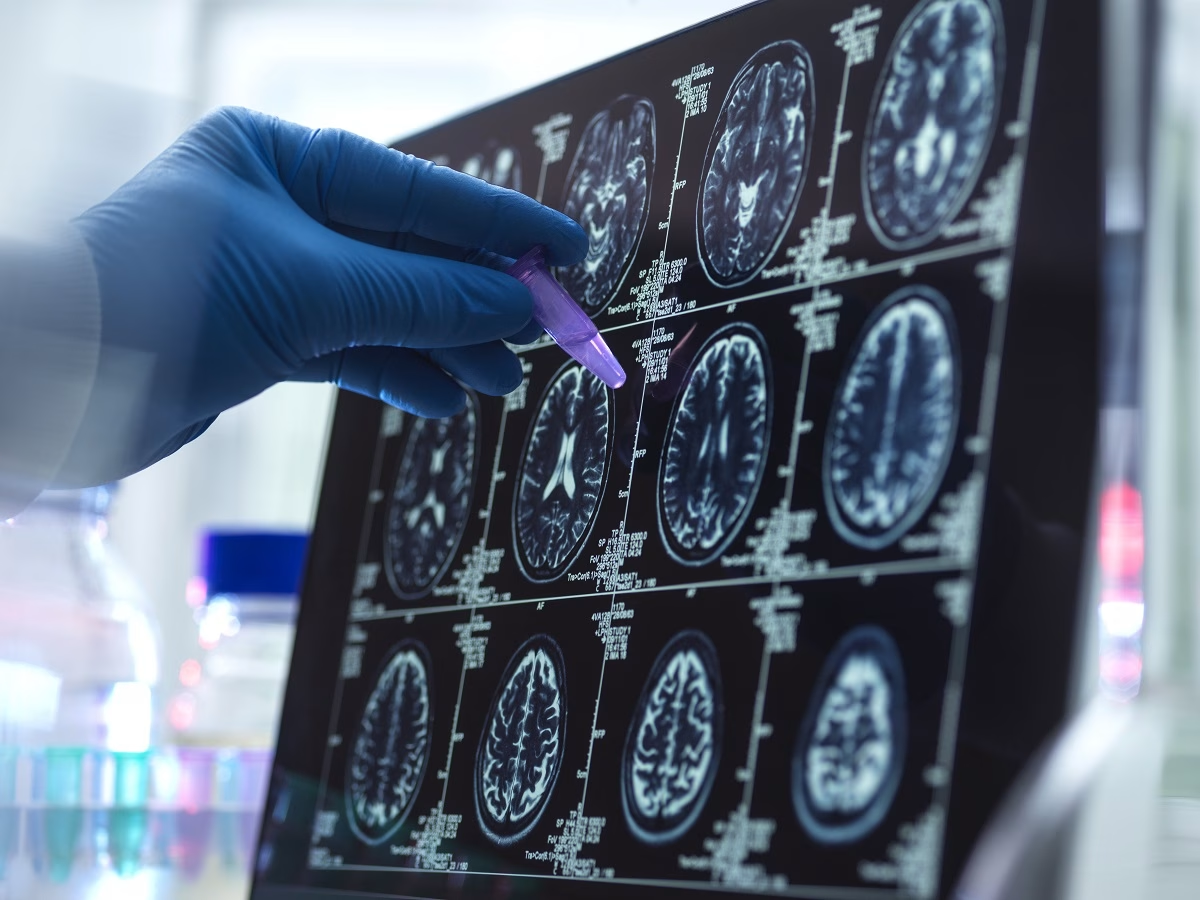
When damage to the white matter occurs, it leaves small lesions that can be seen on an MRI (magnetic resonance imaging) scan as bright spots. Sometimes, these lesions may not cause symptoms, but spots may appear in older people as a normal part of aging. However, some people may have these lesions on important pathways within the brain, which significantly increase the risk of severe symptoms such as walking problems, memory loss, and others.
Some studies have shown a strong connection between cardiovascular disease risk factors and white matter disease. Researchers think that this type of brain disease is a biomarker of an elevated risk of serious diseases such as disability, dementia, and stroke.
Generally, this is a common condition that affects approximately half of the population over 60 years old.
Symptoms
Check below some symptoms that people with white matter disease often experience:
- Memory loss
- Reduced movement
- Problems with balance and coordination
- Frequent falls
- Urinary incontinence
- Mood swings
- Mental health problems (such as anxiety, depression, and others)
- Inability to perform more than one activity at once
However, the symptoms may be more severe in those who develop an advanced form of white matter disease. There are multiple changes that appear with aging. For example, arthritis, diabetes-associated neuropathy, an increased risk of Alzheimer’s disease, and poor sleep. If any of the previous conditions develop quickly, it is often a cause for concern.
In rare cases, white matter disease can be identified during a brain MRI done for other reasons. However, not everyone who develops this disease has symptoms.
What is White Matter?
This structure of the brain is made of large networks of nerve fibers (also called axons) that are responsible for the exchange of information between the areas of the brain. The name of white matter comes from the protective tissue of the nerve fibers known as myelin. This sheath gives the tissue a white color.
However, the brain also contains gray matter that is located in its deep areas. The color is produced by the cell body of the neuron. Maintaining white matter health requires healthy blood flow and plenty of nutrients.
In general, there are a lot of things that may cause white matter disease. These include ischemia and malnutrition, among others.
Causes
Nowadays, experts continue to study this disease and its causes. In any case, they think white matter disease happens due to reduced blood flow to the brain, which causes damage to the nerve fibers in the white matter. In older people (over 60 years old), the arteries may become hard and lose elasticity, which often reduces blood flow to the brain’s nerves.
Sometimes, people develop this brain disease due to atherosclerosis. A health condition in which a buildup of plaque occurs in the arteries. It also reduces blood flow to the brain and other body structures.
The primary cause of white matter disease is risk factors for cardiovascular diseases (including high blood pressure, high blood sugar, high cholesterol, smoking, and others.
In addition, any processes that lead to changes in the chemical composition of myelinated fibers are considered risk factors for white matter lesions. These include ischemia, vasculitis, demyelinating inflammatory disorders (including multiple sclerosis), and genetics (such as leukodystrophy).
Risk Factors
There are some factors that could increase your risk of developing white matter disease. Examples include:
- Age – People over 60 years old are at a higher risk of developing this disease.
- Hypertension (high blood pressure) – If you do not manage high blood pressure, it may significantly increase the risk of this condition.
- Diabetes – If you have this condition and do not manage it, the risk of white matter disease may increase.
- Parkinson’s disease
- Medical history of stroke – People with strokes (especially silent strokes) may also experience this brain disease.
- Genetics – According to recent studies, there are some genes that could play a role in white matter disease.
- Blood vessel inflammation – Inflammation of the blood vessels, especially of arteries that supply the brain with blood, significantly increases the risk of this disease.
- High cholesterol
- Smoking
This article does not contain a full list of factors that may increase the risk of developing white matter disease.
How to Prevent White Matter Disease?
Usually, managing cardiovascular risk factors also helps reduce the risk of developing white matter disease. These include chronic hypertension, high cholesterol, smoking, diabetes, and others. That’s why doctors may recommend dietary and lifestyle changes, smoking cessation, certain medicines, and others. Consult with your doctor for more details.
Diagnosis
Usually, to diagnose this condition, doctors perform an imaging test. It is called a brain MRI (magnetic resonance imaging). This is a specific test that helps doctors get detailed images of the brain and nearby structures. MRI uses radio waves and a magnetic field to produce these pictures. Moreover, it does not use radiation or X-rays.
While an MRI can diagnose white matter disease, it may also determine the extent of damage. Furthermore, a report of this imaging test may identify some changes in the white matter. For example:
- Non-specific white matter changes
- Microvascular disease
- Subcortical or cerebral white matter disease
- T2 hyperintensities (lesion)
In some cases, an MRI is not enough to confirm the condition. In such cases, physicians may perform additional imaging tests, such as CT (computerized tomography) scans, and perform a neurological examination. They may also perform some blood tests to determine your risk of developing the disease. These include a lipid panel, a comprehensive metabolic panel, and a glycosylated hemoglobin test (HbA1c).

Treatment
There is no way to repair white matter that is already damaged. That’s why treatment focuses on lessening the symptoms and preventing lifelong complications. In mild cases, managing underlying conditions (such as high blood pressure, diabetes, and others) helps reduce the symptoms.
Healthcare professionals commonly recommend physical therapy to improve balance and walking. It also helps prevent falls. If you develop psychological problems, you may be referred to a psychiatrist for treatment. They often recommend antidepressants to relieve the symptoms. Moreover, your doctor may also recommend treatments for urinary incontinence, lifestyle changes, and others to improve the effectiveness of primary treatments.
How to Manage Cardiovascular Disease Risk Factors?
Risk factors for cardiovascular conditions are strongly linked with white matter disease. Therefore, it is very important to manage these risk factors to prevent or avoid this brain disease. Check some treatments below:
- Stop smoking (if you face problems with smoking cessation, discuss it with your doctor)
- Perform regular physical exercise
- Lifestyle and dietary changes and medicines are often recommended to manage chronic hypertension, high cholesterol, and diabetes
- Limit or avoid alcoholic beverages
Doctors may also prescribe anticoagulants (also known as blood thinners) to prevent blood clots and statins to lessen inflammation.
Usually, white matter disease treatment involves multiple healthcare specialists. For example:
- Physical therapists
- Primary care providers
- Neurologists
- Cardiologists
- Psychiatrists
- Urologists
- Occupational therapists
Frequently Asked Questions
How long can you live with white matter brain disease?
While some people with this disease live a normal life, in more severe cases, their lifespan may be affected.
Does white matter disease always lead to dementia?
No, it usually increases the risk of dementia but does not cause it. This brain disease is often associated with mild cognitive dysfunction and executive dysfunction. Discuss it with your doctor for more details.
What can you eat with white matter disease?
Check below some foods often recommended by dieticians for people with white matter disease:
- Legumes, including black beans, chickpeas, and lentils
- Fruits (such as berries, oranges, and apples)
- Whole grains like quinoa, brown rice, and barley
- Omega-3-rich fish (such as sardines, mackerel, and salmon)
- Vegetables (including spinach, kale, and others)
This article does not contain a full list of foods that people with this brain disease can eat. Ask your healthcare professional if you have any other questions.