

A pouch that appears at the top of the tube that carries the food and drinks from the mouth to the stomach (esophagus) and causes difficulty swallowing is called Zenker’s diverticulum. It often occurs when the muscle located at the top of the esophagus (cricopharyngeus muscle) is not able to relax to allow the food to move through the esophagus. The most common symptoms of Zenker’s diverticulum are regurgitation and bad breath. However, this condition can be treated with surgery. Furthermore, dietary changes may also help treat this condition and relieve the symptoms.
Symptoms
The symptoms usually appear differently among people with this condition because it depends on the size and location of the pouch. Thus, some people may not experience any symptoms, while others develop a big pouch that often affects the ability to swallow. Check below for other symptoms of Zenker’s diverticulum:
- Aspiration pneumonia – In some cases, food may enter the windpipe and cause infections.
- Bad breath (also known as halitosis) – When food remains trapped in the diverticulum, it may begin to decay and cause bad breath.
- Bringing up food/phlegm – It often happens when the pouch fills with food and then spills it back into the throat.
- Dysphagia (swallowing problems) – This symptom usually occurs when the pouch grows large and blocks the throat.
- Globus sensation – This symptom makes a sensation like something is stuck in the throat. It occurs when the diverticulum becomes large and puts pressure on the cricopharyngeus muscle.
- Dysphonia (hoarseness) – It often occurs when the pouch pushes the pharyngeal nerve multiple times. This nerve helps the larynx and voice box function properly.
- Unusual weight loss – Sometimes, people may lose weight due to difficulty swallowing.
Causes
This health condition usually occurs when the cricopharyngeus muscle does not relax. In normal circumstances, it should constantly squeeze the upper esophageal muscle to close it. Thus, this muscle relaxes to allow the food to move through the throat into the esophagus. If this muscle does not relax, it causes the upper esophageal sphincter to not open properly. Moreover, the muscles in the throat continue to push the food toward the cricopharyngeus muscle, which puts extra pressure on the throat walls.
The pouch appears when the pressure pushes the tissues through a weak spot in the throat. Therefore, this diverticulum causes problems with swallowing. Nowadays, experts do not fully understand what causes the cricopharyngeus muscle to tighten when it should relax.
Risk Factors
While it is not possible to determine the exact cause of this condition, physicians have identified some factors that may increase your risk of developing it. Check some examples below:
- Age – This condition is often diagnosed in older people (from 70 to 90 years old).
- Sex – Men are more likely to develop this condition compared to women.
- Esophageal motility disorders – This is a group of health conditions that affect the function of the esophagus.
- Gastroesophageal reflux disease (also known as GERD) – Those who develop a chronic (long-term) form of GERD are at increased risk of developing Zenker’s diverticulum.
- Hiatal hernia – This is a condition in which a part of the stomach bulges into the chest.
- Achalasia – A condition that prevents the esophagus from relaxing.
- Lifestyle factors – These include smoking, misuse of alcoholic drinks, and illegal drugs, and others.
What Are The Possible Complications of Zenker’s Diverticulum?
However, people with this condition may experience some complications, especially if they do not get treatment. Check some examples below:
- Malnutrition and weight loss – This is a common complication of Zenker’s diverticulum.
- Bleeding – In some cases, the diverticular pouch may cause bleeding.
- Fistulas – This complication causes abnormal connections between the esophagus and nearby tissues (such as the neck or trachea).
- Esophageal obstruction – While it happens rarely, people may experience a blockage in the esophagus, which makes it impossible to swallow.
- Surgery complications – The primary treatment for Zenker’s diverticulum is surgery. The surgery used to treat this condition may cause some complications, like other ones. These include bleeding, esophageal rupture, infections, nerve damage, injury to nearby structures, and others.
How to Prevent Zenker’s Diverticulum?
However, there is no way to prevent this condition, but if you develop a mild form of the condition, it can be managed with lifestyle and dietary changes. For those who develop moderate to severe Zenker’s diverticulum, surgery is the only way to treat the condition.
Diagnosis
First, doctors perform a physical examination to check for irregularities linked to the disease and may ask some questions about the symptoms and medical history. Check below some tests often used to confirm the condition and rule out others that cause similar symptoms:
- Esophageal manometry test – This test is used to check how well your esophagus works.
- Esophagram – During this test, doctors will check the esophagus while you are swallowing something.
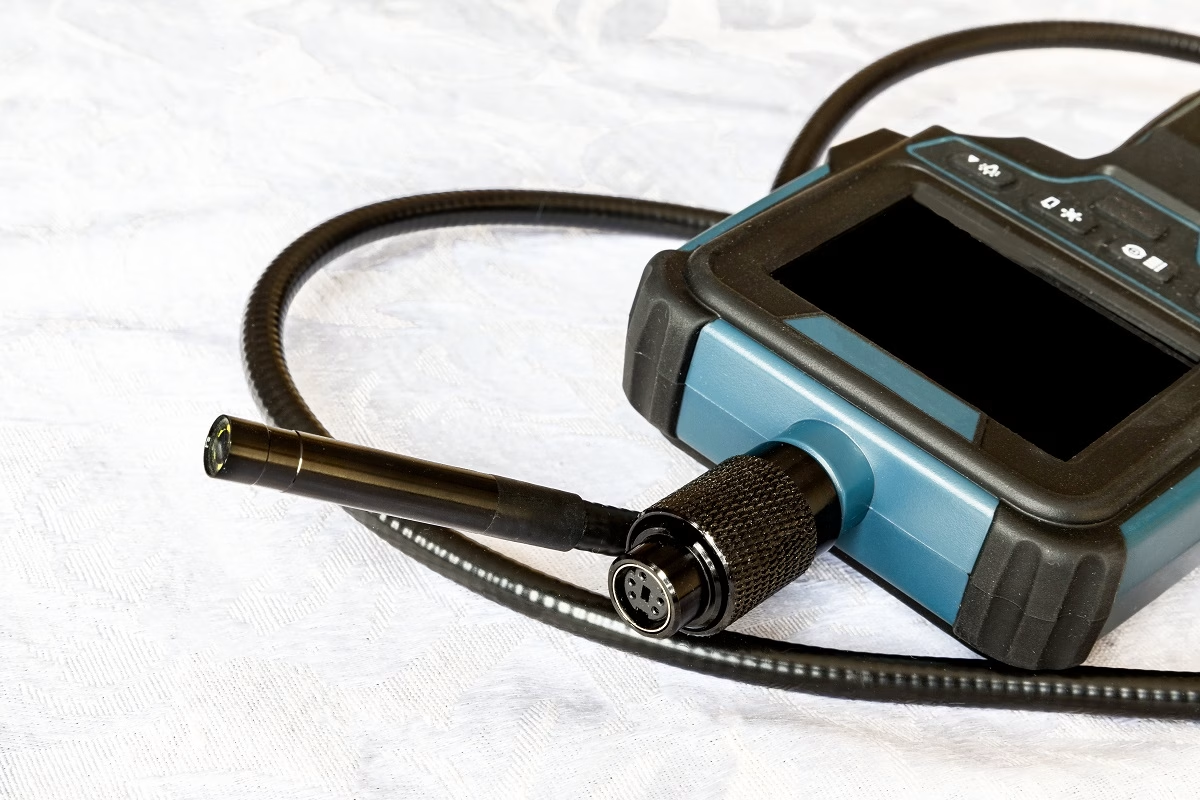
- Upper endoscopy – This test involves a small and flexible tube with a lighted camera on the end (endoscope) to examine the inside of the esophagus.
Treatment
The main treatment for people with Zenker’s diverticulum is surgery to fix the pouch. During this procedure, surgeons may also address some complications caused by this condition (such as aspiration pneumonia). Check below the types of surgery often used to treat Zenker’s diverticulum:
- Open surgery – This is a major surgery that involves a large cut (incision) in the throat.
- Endoscopic surgery – During this procedure, surgeons will place small tools into the mouth and then use them to repair or remove the pouch.
- ZPOEM – This procedure is also called peroral endoscopic myotomy. It is used to treat this condition by stretching the cricopharyngeus muscle.
Recovery
The recovery time is usually different among people with this condition because it depends on which type of surgery you have. Commonly, people recover longer from open surgery compared to those who have endoscopic or ZPOEM. The recovery process often includes:
- Hospitalization for at least one day after surgery
- Dietary changes
- Temporary need for a feeding tube, especially if you have had an open surgery
Frequently Asked Questions
Is there anything I can do to feel better?
This condition often causes difficulty swallowing. Check below for some tips that may help move food through the esophagus:
- Small bites of food
- Sip water while eating food
- Chew each bite very thoroughly
- Do not eat foods that may get caught in the pouch (diverticulum), including seeds, nuts, tomatoes, apples, and others
For more details, discuss it with your doctor.
What is the best treatment for Zenker’s diverticulum?
The most effective treatment for people with this condition is open surgery. It helps relieve the symptoms and prevent recurrent Zenker’s diverticulum.
What foods should you avoid with Zenker’s diverticulum?
There are some foods that may get stuck in the throat. So, you should avoid them if you have Zenker’s diverticulum. Check some examples below:
- Tough or stringy meats (including meats with gristle, steak, and spare ribs)
- Fruits with seeds or skins (such as apples, pears, berries, and others)
- Vegetables with seeds or skins (including broccoli, celery, tomatoes, cucumbers, and other raw vegetables)
- Breads (including fresh, doughy, or crusty breads)
- Seeds and nuts
- Fried and fatty foods
- Spicy and acidic foods
Ask your healthcare provider if you have additional questions.