
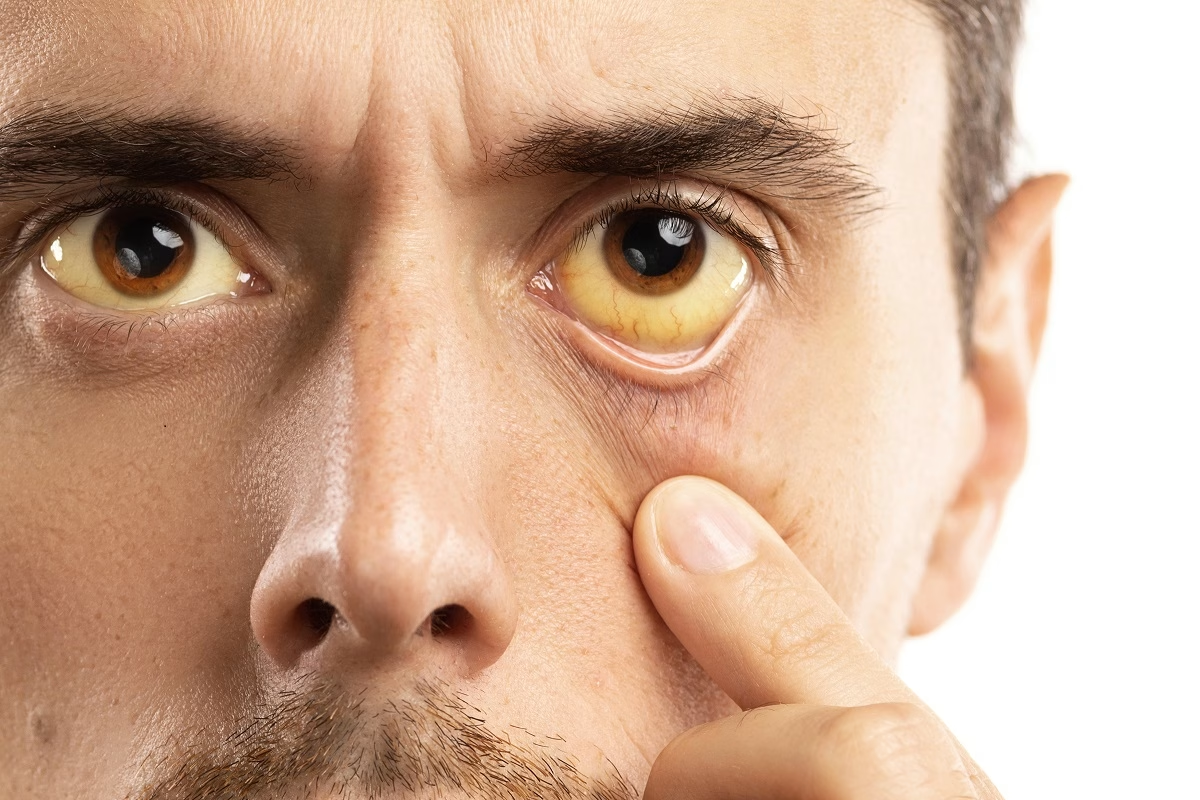
This is a condition in which a harmless yellow bump appears near the eyelid skin. It is called xanthelasma, and it can be soft, chalky, or semi-solid. However, it is also known as a type of xanthoma or cholesterol deposit. Physicians usually prescribe different treatments to remove them. Unfortunately, some people may notice that xanthelasma returns even after a successful treatment.
In most cases, this condition appears because cholesterol deposits build up under the skin. In some cases, you may hear this condition is called xanthelasma palpebrarum (XP). Moreover, some people may develop xanthelasma due to certain health conditions. These include:
- Diabetes
- High cholesterol (hyperlipidemia)
- Thyroid disorders
According to some research, this condition indicates an increased risk of the following conditions in the future. For example:
- Atherosclerosis or high cholesterol
- Myocardial infarction (heart attack)
- Heart disease
Xanthelasma is considered a common condition that affects the skin of approximately 1% of people worldwide.
Symptoms
The main symptom of this condition is areas of yellow skin around the eyelids. These areas can be flat, bumpy, soft, firm, and uncomfortable. Furthermore, these lumps on the skin can appear as raised bumps or symmetrical plaques. This condition may affect either one or both eyelids.
Causes
There are several health conditions that may cause xanthelasma. For example:
- Thyroid disorders (such as hyperthyroidism, hypothyroidism, and others)
- Inflammation
- Misuse of alcoholic beverages
- Excessive body weight (obesity)
- Diabetes
- High cholesterol that is often inherited from parents
In addition, it is very likely that if you develop this condition, you have high cholesterol levels. However, you can perform a blood test to check cholesterol levels. Check below some tips that may help reduce cholesterol in the blood:
- Cholesterol-lowering medicines
- Regularly perform physical exercise
- Add to your diet more fresh fruits, vegetables, and foods low in fat
Risk Factors
Physicians have identified some factors that could increase your risk of developing xanthelasma. Examples include:
- Thyroid disease
- Obesity (excessive body weight)
- High cholesterol
- Smoking
- Diabetes
- Family history of xanthelasma or high cholesterol
- Chronic hypertension (high blood pressure)
- Other lipid disorders (including high triglycerides)
- Systemic health conditions (such as primary biliary cholangitis)
- Certain medicines (such as beta-blockers, oral contraceptives, Estrogen-containing medicines, corticosteroids, retinoids, diuretics, and others)
- Sex (females are more likely to develop xanthelasma than men)
What Are The Potential Complications of Xanthelasma?
While this condition is harmless, the treatment used to remove it can cause some complications. These include:
- Cosmetic concerns that may lead to low self-esteem
- Pain, redness, scarring, and pigmentary changes are often caused by surgery, cryotherapy, chemical cauterization, and others.
- Drooping eyelid
- Eye trauma
- An increased risk of recurrence of xanthelasma
- Underlying health conditions – It is very important to get treatment for the conditions that cause xanthelasma. Usually, people with high cholesterol develop these abnormal areas of the skin. Without treatment, it may lead to a heart attack, atherosclerosis, and other serious conditions.
- Functional impairment
- Deep lesions
- Hypo- or hyperpigmentation
This document does not contain a full list of xanthelasma complications. Discuss with your healthcare professional about ways to reduce the risk or prevent complications.
How to Prevent Xanthelasma?
There are some tips that may help reduce the risk or even prevent xanthelasma. Check some examples below:
- Quit smoking (if you have problems with smoking cessation, discuss it with your doctor)
- Regularly exercise (it helps get and maintain a healthy weight)
- Limit or avoid large amounts of alcohol
- Manage chronic health conditions (such as high blood pressure, diabetes, and others)
- Take measures to reduce high cholesterol
Diagnosis
While most of the time, doctors diagnose this condition after a physical examination, sometimes they may need to perform some tests to confirm it and check your:
- Cholesterol levels
- Thyroid function
- Blood sugar levels
- Liver function

Treatment
However, once xanthelasma occurs, it cannot go away on its own without treatment. Otherwise, it may get bigger. Moreover, products used to remove it may cause burns. That’s why you should see a doctor for treatment.
Usually, physicians recommend liquid nitrogen cryotherapy to remove these abnormal areas on the skin. Some people should also take statins until the xanthelasma disappears completely. Check below for other treatments that doctors may recommend for people with xanthelasma:
- Surgery
- Chemical peel
- Radiofrequency ablation
- Extreme heat
- Laser surgery
- Surgery
Usually, to get rid of the condition completely, people need multiple sessions. In addition, to reduce the risk of recurrent xanthelasma, you should lower your cholesterol levels.
Previous treatments, like other ones, may cause some adverse reactions. These include:
- Scars
- Pain
- Skin color changes
- Eyelid that turns inside out
Recovery
While most people recover completely within a few days, others need several months.
Frequently Asked Questions
What is the main cause of xanthelasma?
Most people develop this condition due to high cholesterol deposits that build up under the skin at the corner of the eye. However, it may occur due to other health problems as well.
What is mistaken for xanthelasma?
There are some conditions that may be mistaken for xanthelasma. These include milia, syringomas, and molluscum contagiosum. Previous conditions often cause similar symptoms to xanthelasma.
What is the fastest way to get rid of xanthelasma?
One of the most effective treatments for xanthelasma is liquid nitrogen cryotherapy. However, it is not an option for everyone, and doctors usually recommend different treatments for people with xanthelasma.
Can stress cause xanthelasma?
According to some research, great emotional distress can cause xanthelasma. However, more research is needed to confirm this factor. Ask your healthcare provider if you have any other questions.