

A chronic health condition that causes long-term pelvic pain due to irritated or damaged pudendal nerve is called pudendal neuralgia. This nerve begins from the back of the pelvic area and goes to all muscles and skin in the genital area (including the anus, vagina, and penile). People who develop this type of neuralgia are often treated with physical therapy, medicines, lifestyle changes, or surgery.
Sometimes, this condition is called pudendal nerve entrapment, and it may cause stabbing, burning, or shooting pain. This pain is often felt in the buttocks, perineum, and genital area. It may also worsen when you are sitting.
In general, this is a rare condition that affects about 30,000 to 200,000 people in the U.S. While it can affect anyone, it mostly occurs in younger adults (over 19 years old).
Location
This nerve is responsible for controlling movement and feeling in the genital area and anus. It runs from the back of the pelvis and goes to all the muscles and skin between the legs. This nerve also controls the sphincter muscles that help to pee and poop.
Function
Normally, the pudendal nerve provides sensory information about pleasure, pain, touch, and temperature to the following parts of the body. These include:
- Male reproductive system (including the penis and scrotum)
- Female reproductive system (including the vagina, labia, and vulva)
- Perineum (this is a body part located between the anus and the vagina or penis)
- A part of the digestive system (including anal canal and anus)
- Urethra (the tube that connects the bladder to the external environment and allows the urine to leave the body)
Symptoms
The primary symptom of this condition is pain. Usually, it occurs in any organ or muscle connected to the pudendal nerve. People experience pain in the clitoris, labia, vagina, penis, scrotum, anus, or rectum. In most cases, the pain caused by pudendal neuralgia is described in the following ways. For example:
- Stabbing, burning, aching, or shooting
- Prickling, numbing, or tingling
- Hurting worse in the evening and then improves in the morning
- Different intensity of the pain
- The pain worsens usually when sitting and may improve when standing or lying down
Moreover, this condition may also cause other symptoms along with pain. Check below some of them:
- Sudden urge to urinate
- Painful bowel movements
- Pain during sexual intercourse
- Difficulty reaching an orgasm
- Erectile dysfunction (ED)
- Swelling in the perineal area
- Increased sensitivity (for instance, pain when putting on underwear)
- General numbness or coldness
- Loss of sensation in the legs, feet, and buttocks
Generally, there are 3 branches of the pudendal nerve. These include a rectal branch, a perineal branch, and a clitoral or penile branch. The symptoms can be different among people with this condition because it depends on where irritation or damage occurs.
Causes
This type of neuralgia occurs when the pudendal nerve is damaged (by pressure or irritation) or compressed (usually by the surrounding muscles or tissues). Check below some possible causes of pudendal neuralgia:
- Specific activities that involve constant strain on the pelvic region. For example, cycling, squatting, exercises, or horseback riding. Furthermore, long-term (chronic) constipation may also put extra strain on the pudendal nerve.
- Sitting for long periods
- Tension caused by surrounding ligaments or muscles
- Complications caused by surgeries (such as prostatectomy)
- A broken bone in the pelvic area
- Some infections or diseases
- A benign (noncancerous) tumor or lesions
- Neuropathy associated with diabetes
What Are The Long-term Complications of Pudendal Neuralgia?
People with pudendal neuralgia may also experience some complications, especially if they ignore the symptoms and do not get treatment. Check below some examples:
- Chronic pelvic and perineal pain
- Sexual dysfunction, including vaginismus (pain during sex), erectile dysfunction, premature ejaculation, and anorgasmia (difficulty reaching an orgasm).
- Sensory changes – These include tingling, increased sensitivity to touch, numbness, and others.
- Cauda equine syndrome – This is a rare condition that causes permanent disability and requires immediate treatment.
- Mental health conditions – For example, depression, anxiety, and others.
- Insomnia (sleep disturbances)
- Fatigue (extreme tiredness)
This document does not contain a complete list of pudendal neuralgia complications. However, you can consult with your healthcare professional about ways to reduce the risk or even prevent the previous complications.
How to Prevent Pudendal Neuralgia?
Usually, it is quite difficult to reduce the risk of developing this type of neuralgia, especially if the cause is childbirth, trauma, or surgery. However, some activities may also cause damage or irritation to the pudendal nerve. Check below for some tips that may help reduce the risk of this condition:
- Avoid cycling or horseback riding
- Alternate sitting with standing (do not sit for long periods)
- Do not strain when you are pooping or peeing
- You can also use a pillow when seated to take pressure off the pelvic area
Diagnosis
Commonly, the diagnosis of this condition begins with a physical examination to check for abnormalities linked to the disease. Thereafter, doctors may also ask some questions about your medical history and symptoms to get more clues about the disease. However, to confirm or rule out this condition, physicians perform the following tests. Examples include:
- Vaginal or rectal examination – During this examination, doctors will insert a gloved finger into the rectum or vagina to put pressure directly on the pudendal nerve.
- MRI (magnetic resonance imaging) scan – This is an imaging test used to get detailed images of different tissues and organs in the body. It helps identify problems with the pudendal nerve and nearby structures.
- Electromyography (EMG) – During this test, doctors use a small device to stimulate the pudendal nerve with an electrical impulse. EMG is used to determine how well the nerve is functioning and how it responds to stimulation.
- Nerve blockers – Sometimes, doctors may give you a pain medicine (often an injection) into the pelvic area to numb the pudendal nerve to see if the pain disappears. If it goes away, it may indicate irritation or damage to the pudendal nerve.
What Health Conditions are Associated with Pudendal Neuralgia?
Generally, there are multiple health conditions that cause symptoms similar to pudendal neuralgia. Check below some of them:
- Vulvodynia (pain in the vulva)
- Coccygodynia (tailbone pain)
- Prostatitis (health conditions that negatively affect the prostate gland)
- Sciatica (this is an injury to the sciatic nerve that may cause pain in the lower back and leg)
- Pelvic floor dysfunction – In some cases, damage to the pelvic floor muscles may affect the ability to poop or hold urine
Treatment
Doctors usually treat pudendal neuralgia with physical therapy, medicines, lifestyle changes, or surgery.
Physical Therapy
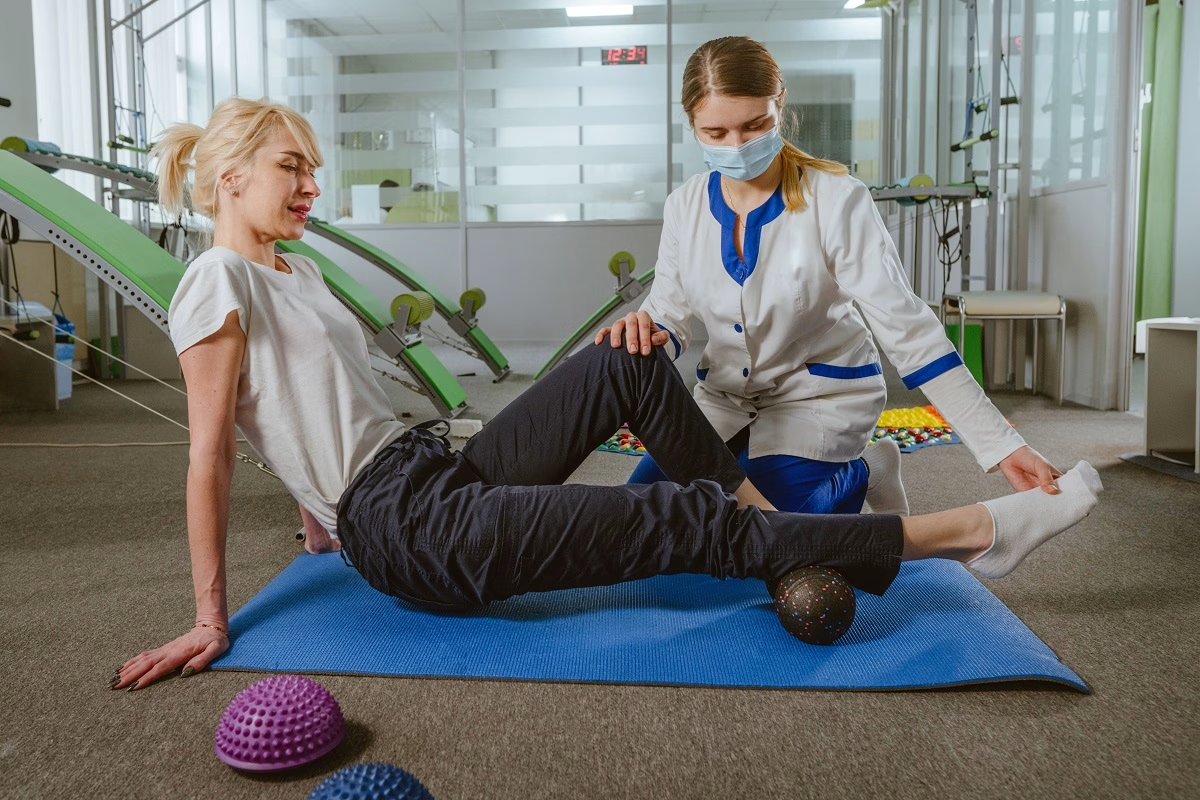
During this treatment, a physical therapist will teach you exercises to relax or stretch the muscles that cause pudendal nerve pain. In some cases, they may also recommend using a TENS (transcutaneous electrical nerve stimulation) machine to relieve pain caused by this nerve.
Lifestyle Changes
There are some activities that may worsen pudendal nerve pain. If you are modifying or avoiding the following activities, it can be beneficial. For example:
- Riding a bike
- Long-term sitting
- Horseback riding
- Straining to poop (especially if you are constipated)
- Squatting with weights
Medicines
The following medications are usually used to relieve pain caused by pudendal neuralgia. Check below some examples:
- Pain medicines
- Nerve stabilizing or antiseizure medications (such as Gabapentin)
- Tricyclic antidepressants (including Amitriptyline)
- Botox injections – These medicines are used to relax the muscles that surround the pudendal nerve
- Local anesthetic injections or corticosteroids – Injections are often used to block nerve pain. Corticosteroids also help reduce inflammation, which may help ease pain.
Surgery
This treatment is often prescribed by doctors when any of the previous treatments do not work. During this procedure (pudendal nerve decompression), surgeons will remove the muscle or tissues away from the pudendal nerve. Usually, to access the pudendal nerve, surgeons make an incision (cut) in the gluteal muscles (buttocks) or perineal muscles. It is important to understand that it may take months or even years to notice improvements in the pudendal nerve pain, even after this surgery.
Frequently Asked Questions
Can pudendal neuralgia be cured?
Unfortunately, there is no way to cure this condition. That’s why the treatment focuses on relieving the symptoms and improving your quality of life.
Can you massage the pudendal nerve?
While massage therapy is not a recognized treatment for pudendal neuralgia. It may cause pain relief if the tissues or muscles that surround the pudendal nerve compress it.
Can pudendal neuralgia heal itself?
This condition can go away on its own (without treatment) in mild cases only. However, if you develop a moderate or severe form of this condition, it often does not disappear without treatment. If you suspect you have this condition, do not hesitate to see a doctor for a diagnosis and treatment. Ask your healthcare provider if you have additional questions.