
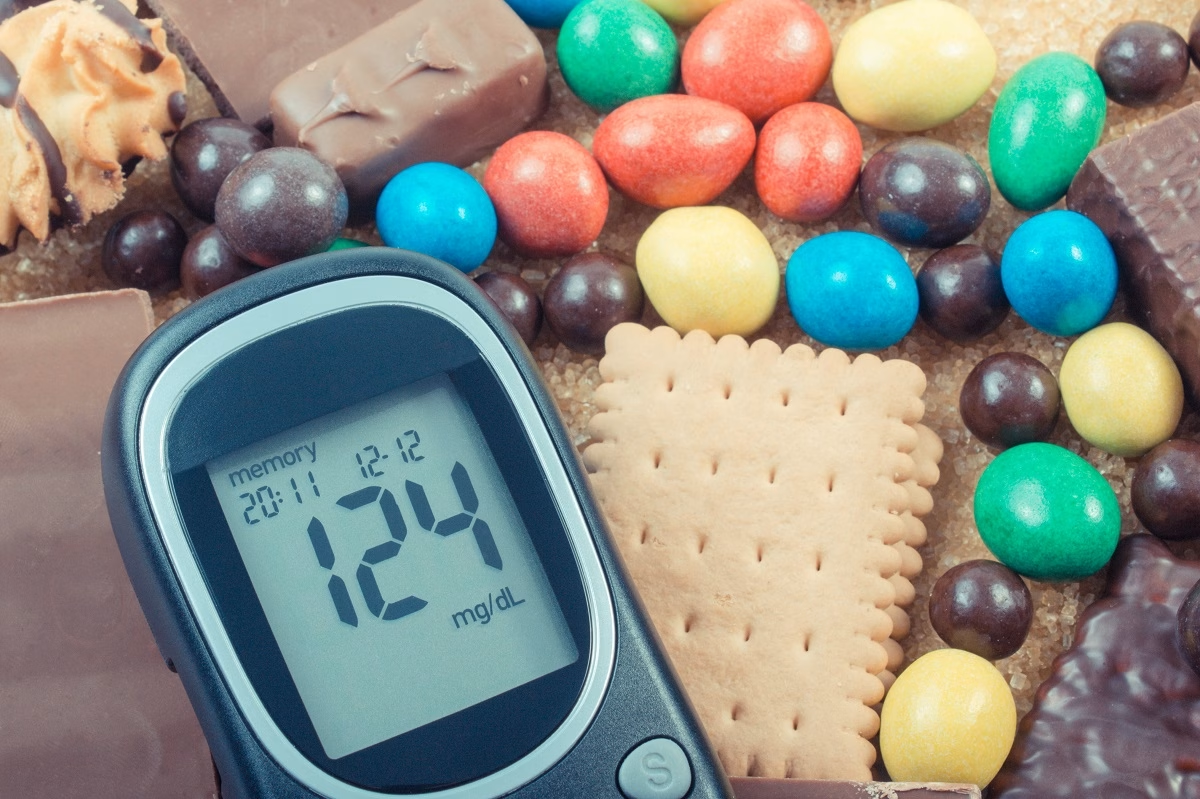
A condition that warns about type 2 diabetes is called prediabetes. In general, it means that your blood sugar levels are increased but not enough to cause type 2 diabetes. Some people can reverse prediabetes through lifestyle changes, including more physical activity, dietary changes, and others.
Commonly, blood sugar levels of 70 to 99 milligrams per deciliter (mg/dL) are considered healthy. However, if your blood sugar level goes over 100 to 125 mg/dL, you can be diagnosed with prediabetes. For example, if a person is diagnosed with prediabetes at 45 years old, the 10-year risk of developing type 2 diabetes is between 9% and 14%, according to the American Diabetes Association. However, until the condition has occurred, you can reverse prediabetes through healthy lifestyle choices.
In general, this condition, which indicates an increased risk of type 2 diabetes, occurs quite commonly. According to some research, about 84 million adults in the United States have prediabetes. Moreover, it also affects about 1 in 3 adults under 65 years old and 50% of people over this age. In addition, approximately 80% of people with prediabetes do not even know they have it because it usually does not cause any symptoms.
Symptoms
In most cases, people with prediabetes do not have any symptoms. Thus, it is very important to get tested regularly to make sure you do not have this condition. Doctors often perform a basic metabolic panel to check levels of sugar in the blood. Unfortunately, this is the only way to identify prediabetes. Check below symptoms of prediabetes that can appear in some people:
- Acanthosis nigricans (darkening of the skin in the armpit, back, and both sides of the neck)
- Skin tags
- Eye changes (which can lead to diabetes-related retinopathy)
If any of the previous symptoms occur, do not hesitate to see a doctor.
Causes
The cause of this condition is the same as for type 2 diabetes, primarily insulin resistance. It occurs when the muscles, fat, and liver do not respond properly to insulin. However, a hormone produced by the pancreas that is essential for life and regulates blood sugar levels is called insulin. When the body is not able to produce enough insulin, blood sugar levels begin to increase. Check below some factors that may contribute to insulin resistance:
- Excessive body fat, especially in the abdominal area and around the organs (visceral fat)
- Lack of physical activity
- Genetics
- Poor diet, including highly processed, high-carbohydrate foods and saturated fats
- Some medicines (including long-term use of steroids)
- Hormonal conditions (such as hypothyroidism, Cushing syndrome, and others)
- Chronic stress
- Lack of quality sleep (insomnia)
Risk Factors
Experts also identified some factors that could increase your risk of prediabetes. These include:
- A family history of type 2 diabetes – If you have a sibling or parent with this condition, the risk of developing it significantly increases.
- Obesity (excessive body weight)
- Age – People over 45 years old are more prone to prediabetes.
- Smoking
- Obstructive sleep apnea
- Gestational diabetes (this is a type of diabetes that occurs during pregnancy)
- Polycystic ovary syndrome (PCOS)
- Physical inactivity (less than 3 times per week)
In addition, race and ethnicity are also factors that may increase the risk of prediabetes. It increases if you are Black, Hispanic/Latino American, Native American, Pacific Islander, or Asian American.
While some of the previous risk factors cannot be changed (such as family history of type 2 diabetes, others can be managed. These include smoking, physical inactivity, and others.
What Are The Possible Complications of Prediabetes?
The primary complication of this condition is type 2 diabetes. However, it can also cause other long-term health problems. Check below some of them:
- Myocardial infarction (also known as a heart attack)
- Stroke
- Eye problems (including diabetes-related retinopathy)
- Kidney issues (diabetes-related nephropathy)
- Nerve damage (diabetes-related neuropathy)
Usually, with healthy lifestyle choices, prediabetes can be reversed. However, there is no way to reverse complications that may occur in people with this condition. Moreover, this article does not contain a full list of complications. You can consult with your doctor about measures to reduce the risk of the previous prediabetes complications.
How to Prevent Prediabetes?
Check below some tips that may help reverse prediabetes:
- Stop smoking – If you face problems with smoking cessation, discuss it with your healthcare professional.
- Adopt a well-balanced and heart-healthy diet
- Try to get and maintain a healthy weight
- Regularly perform physical exercises – Generally, doctors recommend 30 minutes of physical exercise per day, at least 5 days a week
Diagnosis
In most cases, prediabetes is found during routine blood test screenings. It is advised to perform regular blood tests to check blood sugar levels if you have risk factors for this condition. Sometimes, doctors may perform other tests to confirm prediabetes when they suspect it. For example:
- Fasting plasma glucose test – Usually, to perform this test, you should not eat or drink anything except water for at least 8 hours beforehand. Comprehensive metabolic panels and basic metabolic panels include a glucose test.
- A1C test – This test is used to measure the average glucose level in the blood over the past 2-3 months.
Commonly, prediabetes is confirmed when the fasting plasma glucose test result is 100 to 125 mg/dL or the A1C test is 5.7% to 6.4%.

Treatment
One of the best ways to reverse prediabetes is through healthy lifestyle choices. These include regularly eating nutritious foods, physical exercise, quitting smoking, and others. Furthermore, even small changes may reduce the risk of developing type 2 diabetes. For example:
- Weight loss – Physicians may recommend dietary changes, exercises, and other options to lose weight. According to some studies, people who have lost 7% of their weight have reduced the onset of type 2 diabetes by 60%.
- Regular physical activity – Usually, doctors also recommend moderate-intensity physical activity because it helps to increase glucose usage and improve muscle insulin sensitivity. For instance, a single session of these exercises can increase glucose uptake from the blood and into the muscles by at least 40%. As a result, it helps reduce blood glucose levels.
- Dietary changes – Limit or avoid added sugars, carbohydrates, and processed foods. To reduce high blood sugar levels, doctors usually recommend adding more veggies to your diet.
Frequently Asked Questions
Can you take medicines for prediabetes?
Usually, doctors recommend oral diabetes medicines when lifestyle changes are not effective, or you have multiple risk factors for type 2 diabetes. In most cases, they prescribe Acarbose or Metformin.
Can prediabetes be reversed?
Yes, one of the best ways to reverse this condition is through healthy lifestyle changes. For example, losing weight if you have excessive body weight, regularly performing physical exercises, quitting smoking, and others. If you think you have prediabetes, immediately contact your healthcare provider.
What are the warning signs of prediabetes?
Immediately visit a doctor if any of the following symptoms occur. For example:
- Unexplained fatigue (extreme tiredness)
- Increased hunger
- Unusual weight changes
- Slow-healing cuts or sores
- Darkened skin patches
Ask your healthcare provider if you have any other questions.