
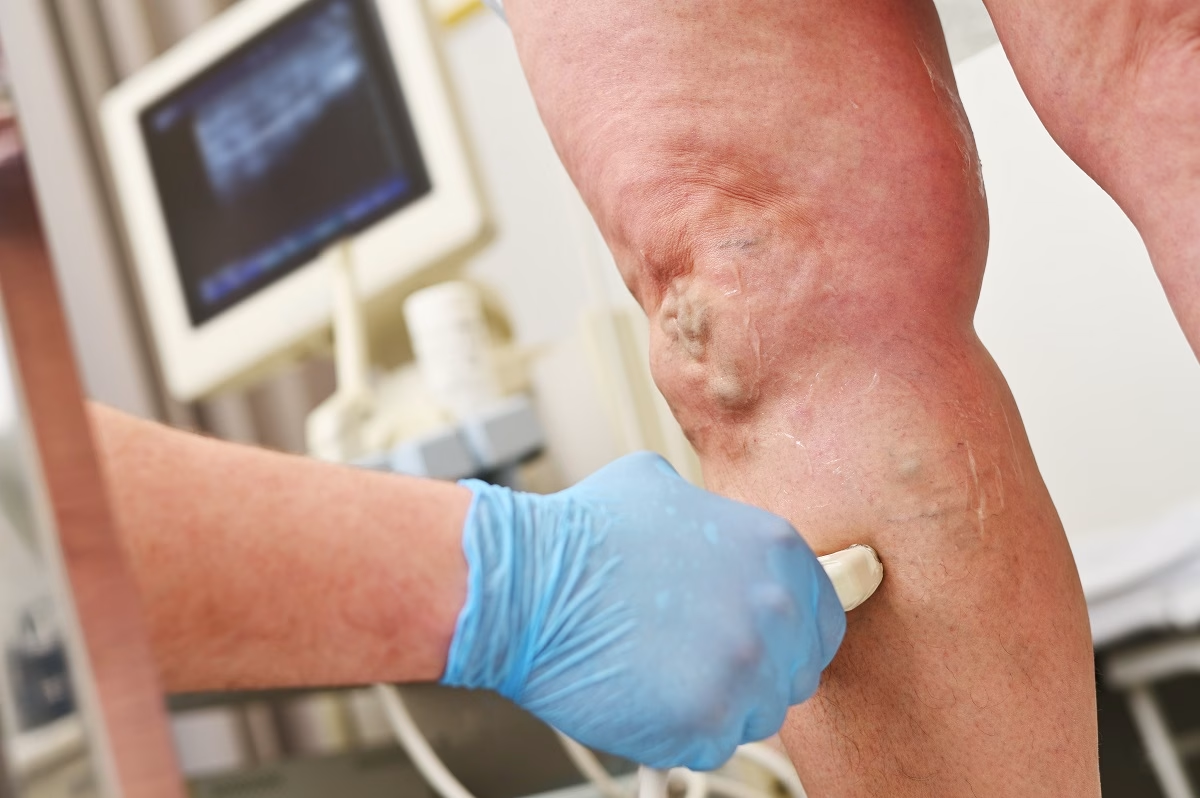
A group of symptoms that develop as a complication of DVT (deep vein thrombosis), and often occur within a few years after DVT diagnosis in the same limb (arm or leg), is called post-thrombotic syndrome. It usually causes pain, heaviness, itching, swelling, or redness in the affected arm or leg. Physicians usually treat this syndrome with compression therapy and lifestyle changes.
In general, DVT is a blood clot formation in one of the deep veins of the arm or leg. While most people are successfully treated, this blood clot can cause serious damage to the veins. As a result, the affected veins no longer work properly. Thus, it may lead to blood pools in the veins, which significantly increases blood pressure. The medical term “post-thrombotic syndrome” is used to describe the symptoms caused by damage to the veins. It is advised to see a healthcare professional right away when the symptoms occur.
This health condition is common among people who have had DVT. Usually, it affects 20% to 50% of people within 2 years after the DVT diagnosis.
Symptoms
This syndrome causes symptoms in the affected limb (arm or leg). Check below some symptoms often noticed in people with post-thrombotic syndrome:
- Pruritus (itching)
- Paresthesia (abnormal sensations, including pins and needles)
- A feeling of tiredness or heaviness
- Cramping or aching
- Claudication
The symptoms of this complication often range from mild to severe. In any case, if you notice any of the symptoms listed above, immediately contact your healthcare professional. These symptoms usually worsen when you are walking or standing for long periods and ease with rest.
Additionally, there are some things that can indicate post-thrombotic syndrome. These include:
- Edema (fluid buildup in the affected limb)
- Skin color changes
- Thickened skin
- New varicose veins
- Spider veins
- Venous ulcers (rarely)
Causes and Risk Factors
This syndrome results from damage caused by a blood clot to deep veins in a leg or arm. Normally, these veins have one-way valves that help blood flow in one direction. However, damage to the veins can prevent these valves from working properly, which leads to blood pools in the affected veins. Therefore, the blood pressure begins to increase inside the vascular walls, which usually causes symptoms. Furthermore, healthcare professionals have identified some factors that could elevate your risk of developing post-thrombotic syndrome. Check below some examples:
- DVT affects a large part of the vein
- The blood clot forms in the iliac or femoral vein
- People with axillo-subclavian vein thrombosis (in such cases, the blood clot forms in a large vein in the upper part of the body)
- Residual thrombosis (the blood clot does not go away completely even after treatment)
- Chronic venous insufficiency (CVI)
- Obesity (excessive body weight)
What Happens if Post-thrombotic Syndrome is Left Untreated?
Those who ignore the symptoms and do not get treatment for this syndrome may also experience other complications. Check below some of them:
- Skin changes (including hyperpigmentation)
- Chronic pain and swelling
- Venous ulcers (open sores)
- Mobility problems (including difficulty walking)
- Recurrent blood clots
- Reduced quality of life
This document does not contain all possible complications of this syndrome. In any case, you can talk with your doctor about ways to reduce the risk of developing the previous complications.
How to Prevent Post-thrombotic Syndrome?
Unfortunately, it is not always possible to prevent this condition. However, doctors may recommend some tips that may reduce the risk of developing it. Examples include:
- Reducing the risk factors for DVT – One of the most effective ways to prevent post-thrombotic syndrome is to prevent DVT. Usually, doctors recommend quitting smoking (if you have problems with smoking cessation, discuss it with your doctor), regularly performing physical activities, trying to get and maintain a healthy weight, and others.
- Early diagnosis and proper treatment for DVT – When this condition is found in the early stages, doctors may prevent serious damage to the vein walls. As a result, it reduces the risk of developing post-thrombotic syndrome. Commonly, doctors recommend anticoagulants (also known as blood-thinners) for people with DVT.
Diagnosis
In most cases, healthcare professionals diagnose this condition during a physical examination. However, they can also ask some questions about the symptoms, medical history, and perform an examination of the legs and arms to check for post-thrombotic syndrome symptoms. In some cases, physicians can also perform an imaging test (duplex ultrasound testing) to determine whether the blood flows properly.
Once you are diagnosed with this condition, doctors will use a Villalta scale to assess its severity. This scale includes five symptoms and six signs. For example:
- 0 (not present)
- 1 (mild)
- 2 (moderate)
- 3 (severe)
Treatment
The treatment usually involves compression therapy, lifestyle changes, and physical therapy. In more severe cases, people may need surgery or venous ulcer care. In general, the goal of the treatment is to relieve the symptoms and improve your quality of life.
Compression Therapy
Usually, this is the primary treatment for people with post-thrombotic syndrome. It helps improve the symptoms and blood flow in the affected veins. This therapy involves wearing the stockings each day exactly as recommended by your doctor.
However, there are different types of stockings that provide different amounts of pressure. Usually, people need time to adjust to these compression stockings, but it is important to talk with your doctor if you are not able to wear them as directed. Check below for other forms of compression therapy that your doctor may recommend:
- Venous-return assist device – This is a specific compression pump that people wear on their calf to improve blood flow.
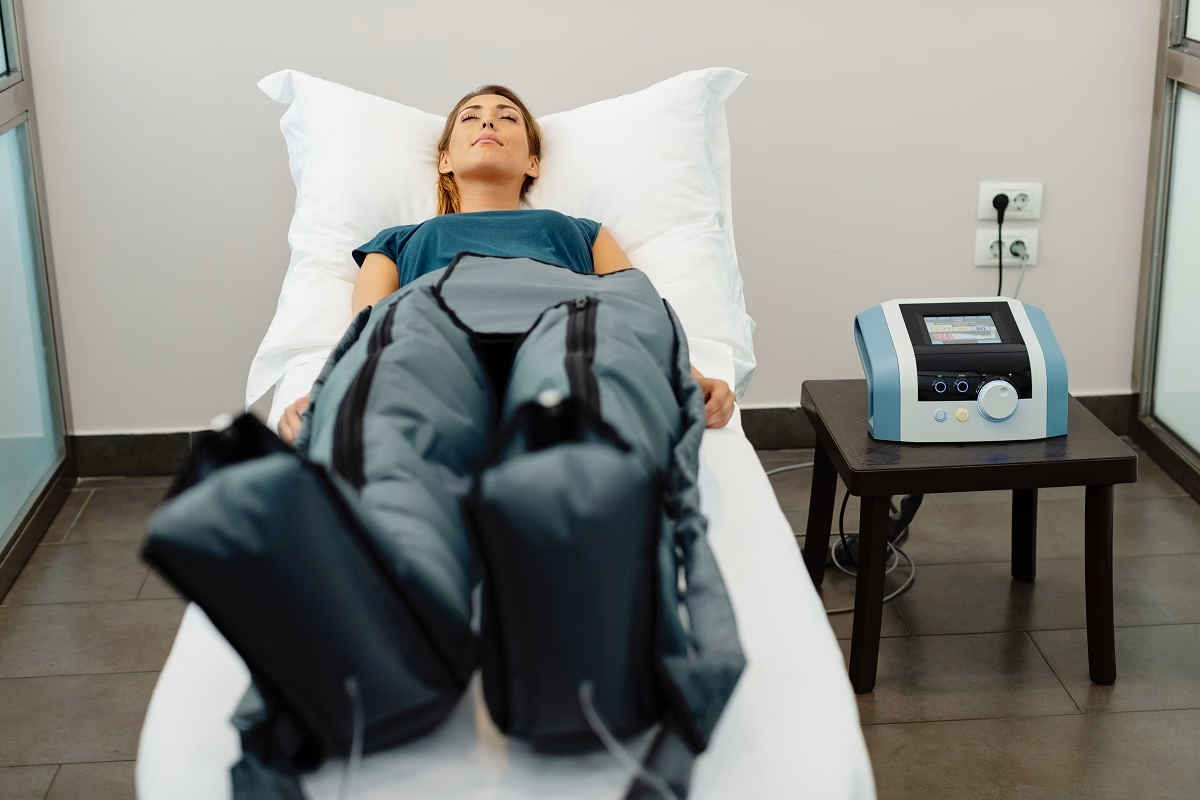
- Intermittent pneumatic compression (IPC) device – This device is a compression sleeve that is worn on the affected leg, usually in a hospital.
Lifestyle Changes
There are some lifestyle changes that can help improve the symptoms. Moreover, the following changes are an important part of the treatment. Commonly, doctors recommend the following actions. Examples include:
- Raise the legs above the level of the heart when you are sitting or lying down.
- Try to lose weight if you have excessive body weight (obesity)
- Regularly use moisturizers on the skin to prevent cracking and dryness
Physical Therapy
This treatment is used to learn people affected by post-thrombotic syndrome specific exercises that will strengthen the muscles of the affected limb. These exercises usually help improve flexibility, mobility, and cardiovascular endurance.
Surgical Procedures
Doctors commonly recommend surgery or an endovascular procedure (such as stenting) in severe cases to improve blood flow in the veins. Sometimes, these procedures can be performed when other treatments do not work.
Venous Ulcer Care
Without treatment, post-thrombotic syndrome can cause venous ulcers (open sores). These open sores require immediate treatment. Otherwise, it may lead to amputation of the affected limb. Check below some options often recommended by doctors:
- Regular wound cleaning
- Dressing or bandages to cover the ulcer
- Antibiotics
- Ointments
- Painkillers
- Specific procedures to remove dead tissue
Frequently Asked Questions
How long does post-thrombotic syndrome last?
Generally, this syndrome is a chronic disorder that cannot be cured. That’s why the treatment goal is to relieve the symptoms and improve your quality of life.
When should I see my healthcare provider?
You should visit a doctor if any of the post-thrombotic syndrome symptoms occur. Early detection and proper treatment can help reduce the risk of serious complications.
How to live with post-thrombotic syndrome?
In general, there are no treatments or preventive measures for this syndrome. However, those who suffer from this condition wear compression sleeves that help relieve pain and swelling. If you have any other questions, ask your healthcare provider.