
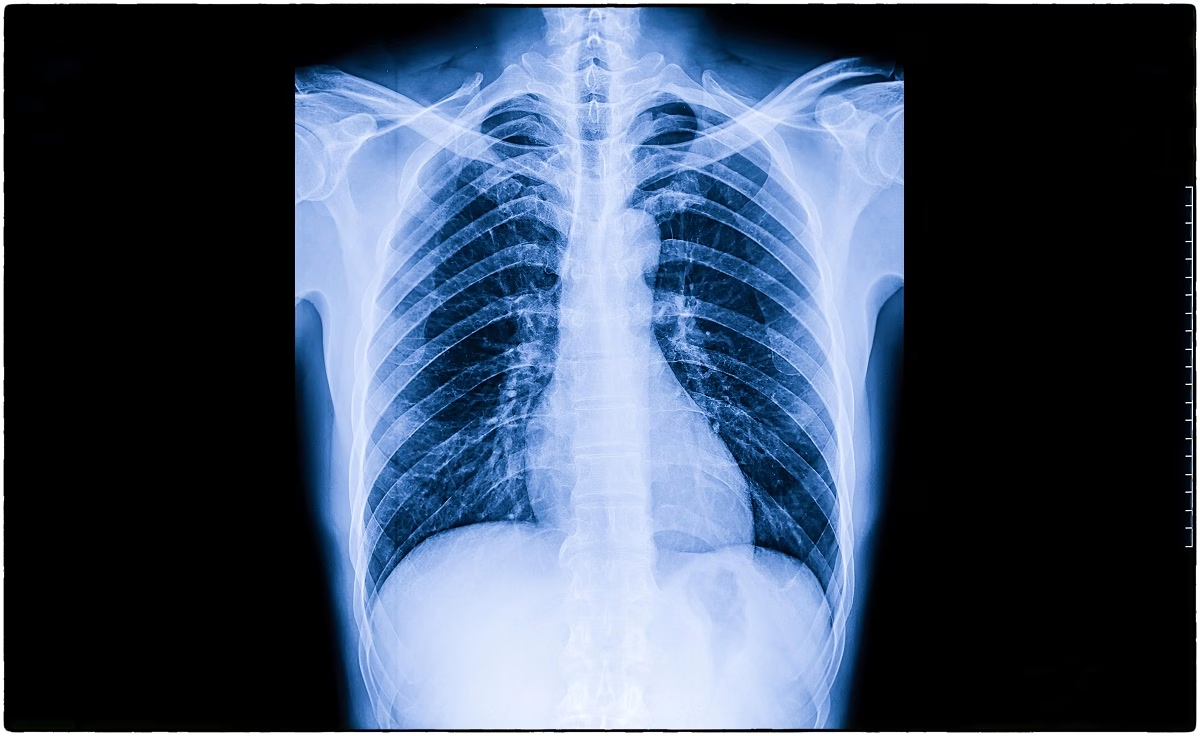
A health condition in which air enters the chest cavity and puts pressure against the lung is called pneumothorax (also known as collapsed lung). While this disorder can occur due to injuries, it may also happen due to underlying conditions, certain medical procedures, and other causes. However, it is very important to get medical care if you experience shortness of breath, chest pain, or blue skin, nails, or lips.
Sometimes, this condition is called a punctured lung, and it can be a medical emergency. If you think you have a collapsed lung, do not hesitate to visit a doctor.
Types of Pneumothorax
Experts have divided this disorder into 2 categories. These include:
Spontaneous Pneumothorax
In such cases, a collapsed lung occurs without an injury. For example:
- Primary spontaneous pneumothorax – This type does not have an underlying disorder, and it occurs when the abnormal air pockets in the lungs break and release air in the chest cavity.
- Secondary spontaneous pneumothorax – The secondary type of spontaneous collapsed lung usually happens due to a lung disease that blocks it.
Traumatic Pneumothorax
This type of collapsed lung occurs due to trauma or injury. Check below some types of traumatic pneumothorax:
- Injury-related pneumothorax – This type of collapsed lung occurs due to an injury to the chest, including a fractured rib, knife wound, or other injuries.
- Iatrogenic pneumothorax – Sometimes, people can develop pneumothorax during a medical procedure, such as a lung biopsy, central venous line insertion, and others.
Other Types of Pneumothorax
These include:
- Tension pneumothorax – This type of condition occurs when the air cannot get out of the lungs. Generally, this is a serious form of pneumothorax that requires immediate treatment. Otherwise, it may lead to death.
- Catamenial pneumothorax – This is a rare form of this disorder that may affect people with endometriosis. This is a condition in which endometrial tissue grows outside the uterus and can form cysts that cause bleeding into the pleural space.
Symptoms
Commonly, people who develop a collapsed lung experience the following symptoms. Examples include:
- Fast breathing
- Extreme tiredness (fatigue)
- Rapid heartbeats
- Cough
- Cyanosis (bluish skin, lips, or nails)
- Dyspnea (shortness of breath)
It is very important to get medical care if any of the previous symptoms occur. Otherwise, this condition can cause permanent damage to the lungs or even death.
Causes
In general, there are multiple reasons for pneumothorax, including diseases, injuries, and lifestyle factors. Check below some examples:
Diseases
- Emphysema
- Collagen vascular disease
- COPD (chronic obstructive pulmonary disease)
- Pneumonia
- Asthma
- Lung cancer
- Idiopathic pulmonary fibrosis
- Cystic fibrosis
- Tuberculosis
- ARDS (acute respiratory distress syndrome)
- Lymphangioleiomyomatosis
Injuries
These include:
- Gunshot wound
- Blunt force trauma
- Stab wounds
- Medical procedures, including a nerve block, lung biopsy, central venous line placement, or mechanical ventilation
Lifestyle Factors
- Smoking
- Scuba or deep-sea diving
- Flying that involves changes in air pressure
- Drug use (especially inhaled drugs)
Risk Factors
Healthcare professionals have identified some factors that may increase your risk of developing a pneumothorax. These include:
- A family history of pneumothorax – If you have a parent or sibling with this disorder, your risk of developing it significantly increases.
- Body type – People with a thin and tall body type are more likely to develop a collapsed lung, especially if you are a male.
- Marfan syndrome
- Endometriosis
- Pregnancy
- Genetic factors
Complications
People who develop this condition can also experience some complications, especially if it is left untreated. Check below some of them:
- Pulmonary edema
- Respiratory or heart failure
- Damage or infection (often caused by treatment)
- Tension pneumothorax
- Recurrent pneumothorax
- Bronchopleural fistula
- Pulmonary embolism
The previous list does not contain all possible complications of pneumothorax. In any case, you can consult with your healthcare provider about ways to reduce the risk or even prevent them.
How to Prevent Pneumothorax?
However, it is not always possible to prevent this condition, but the following tips can help reduce the risk. Examples include:
- Quit smoking – It is advised to consult with your doctor if you have problems with smoking cessation.
- Avoid or limit activities with significant changes in the air pressure – For example, scuba diving, flying, and others.
- Regularly monitor any lung disorders
Diagnosis
Usually, doctors begin the diagnosis of pneumothorax with a physical examination in which they listen to your lungs by using a stethoscope. Therefore, they can order some imaging tests to get more details about the disease. They often perform a chest X-ray, lung ultrasound, and CT (computerized tomography) scans. Commonly, doctors also perform an arterial blood gas test to measure the oxygen and carbon dioxide levels in the blood.

Treatment
Usually, physicians recommend different treatments for people with a collapsed lung. It depends on several factors, including the size and severity of the pneumothorax, overall health, age, and preferences. Check below some options used to treat a collapsed lung:
- Observation – If you develop a mild form of this disease, doctors may watch you for signs of heart or breathing problems.
- Oxygen therapy – This treatment is often recommended for people with dyspnea.
- Thoracentesis – During this treatment, doctors will place a temporary needle between the ribs on the side of the affected lung. It helps evacuate the air from your chest.
- Chest tube drainage – In more severe cases, doctors may recommend this treatment to reduce the air in the pleural space. As a result, the lung begins to re-expand and heal.
- Chemical pleurodesis – This procedure is usually recommended to prevent recurrent pneumothorax. It involves an incision (cut) and a tube that is inserted into the chest cavity. Therefore, doctors will send Doxycycline or Talcum powder through this tube to eliminate extra space.
Furthermore, some people may need surgery to repair damage caused by a collapsed lung. Usually, doctors recommend this surgery if you do not respond to other treatments or have:
- Persistent air leakage
- The lung does not expand despite chest tube insertion
- Recurrent pneumothorax
- This condition affects both lungs
- Traumatic lung injuries
Frequently Asked Questions
How serious is a punctured lung?
The severity of this disease often depends on the underlying cause and how much of the lung is collapsed. While some people do not have symptoms and do not need treatment, others may develop life-threatening pneumothorax types.
When should I go to the ER?
If you think you have symptoms of a punctured lung, it is advised to call 911 right away or go to the nearest emergency room (ER).
Can you fully recover from a punctured lung?
While most people heal without major treatments, they still have a chance of recurrent collapsed lung. In general, to reduce the risk of developing permanent damage to the lungs, you should get medical care right the condition starts. If you have any other questions, ask your healthcare provider.