
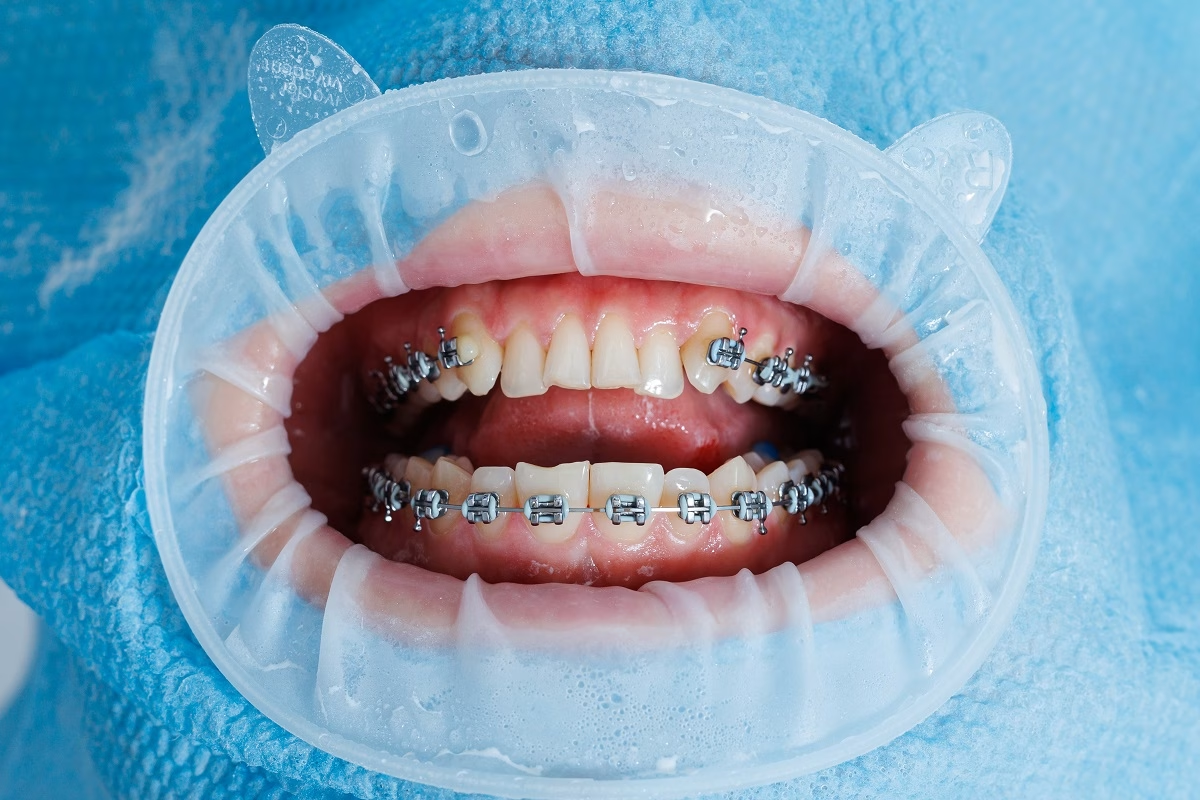
The medical term that describes a type of malocclusion (bad bite) is overjet (also known as buck teeth). It happens when the front teeth stick out further than they should. However, there is another condition called overbite (vertical overlap), and it is different from overjet (horizontal overlap). This health condition is often treated with orthodontics or oral surgery.
Usually, most people’s upper front teeth protrude past their lower front teeth by about 2 millimeters. In such cases, dentists consider it normal. When the lower teeth stick more than 2 millimeters, you have an overjet. The most common concern among people with overjet is appearance. There are a lot of people who are worried that overjet affects their smile. However, this condition may also affect other health and functions. For example, chewing difficulties, jaw pain, headaches, and other problems. While most people fix an overjet with braces, some of them may also need additional orthodontics or jaw surgery (especially in severe cases when the teeth stick out more than 8 millimeters).
What is The Difference between Overbite and Overjet?
There are a lot of people who say overbite when they really mean overjet. While both medical terms refer to types of malocclusion, they are not the same thing. For example, overbite is used to describe vertical distance, but overjet refers to the horizontal distance.
- Overbite – This is a deep bite that occurs when the upper front teeth overlap the lower front teeth more than they ought to. Typically, people have an overlap of 2 to 4 millimeters. When the front teeth cover more than 30% (approximately 4 to 6 millimeters) of the lower front teeth, it is considered an overbite.
- Overjet (also called buck teeth) – It refers to protruding teeth that occur when the upper teeth stick out further than 2 millimeters past your lower front teeth.
Symptoms
The symptoms of people with overjet are often different because it depends on whether your teeth protrude a little or a lot. Check below some symptoms that people with overjet often experience:
- Difficulty chewing or biting
- Inability to close the lips completely
- Ulcers or sore spots on the tongue or inner cheeks
- Tooth, face, or jaw pain
- Speech difficulties (rarely)
Do not hesitate to visit a doctor if any of the previous symptoms occur.
Causes
There are multiple factors that contribute to an overjet. Check some examples below:
- Genetics – If you have a parent or sibling with an overjet, your risk of developing it significantly increases.
- Tongue thrusting – It occurs when the tongue puts pressure against the back of the upper front teeth when you swallow. In most cases, tongue thrusting occurs in babies, but some adults may also develop it.
- Finger or thumb sucking – A lot of children such their thumbs or fingers to soothe themselves. While it is a natural behavior, after the age of 4, this habit may contribute to overjet.
- Pacifier use – Long-term use of a pacifier may also contribute to overjet. If you are concerned about your child’s pacifier use, discuss it with a pediatrician.
What Are The Possible Complications of Overjet?
In general, all types of malocclusion (including overjet) tend to worsen with age and may cause some complications, especially if it is left untreated. Check some examples below:
- Facial or jaw pain
- TMJ disorder
- Chronic headaches
- Tooth erosion
- An increased risk for cavities and gum disease
- Difficulty brushing and flossing properly
Sometimes, overjet may contribute to problems with function and appearance. Moreover, this article does not contain a full list of overjet complications. In any case, you can consult with your doctor about ways to reduce the risk or even prevent the previous complications.
How to Prevent Overjet?
There are a lot of people who are born with an overjet. In this case, it is not possible to prevent it. However, doctors may recommend some tips that will reduce your child’s risk of developing it. For example:
- Limit thumb sucking and pacifier use (especially after 4 years old)
- Visit a dentist if you notice tongue-thrusting habits
- Avoid traditional sippy cups because they can cause your child’s front teeth to stick out
Diagnosis
Usually, when doctors suspect an overjet, your child can be referred to a dentist for further testing. Thus, dentists often perform a dental examination in which they diagnose an overjet. During this procedure, they will measure the horizontal distance between the lower front teeth and upper front teeth. Sometimes, they need to perform a dental X-ray to get more information about the health of your child’s teeth and gums.
Treatment
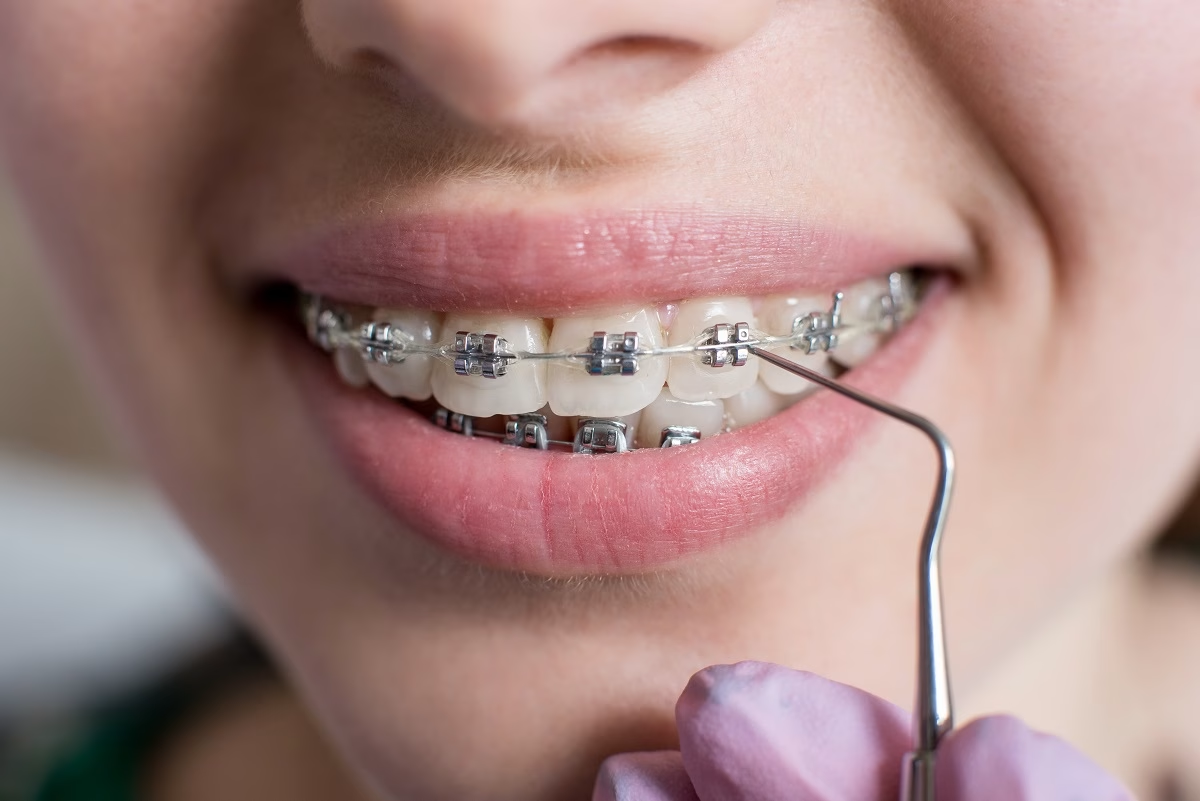
Doctors often recommend the following treatments to fix an overjet. Examples include:
- Braces
- Clear braces
- Headgear
- Herbst appliance
- Palate expanders
- Oral surgery
Commonly, orthodontists and dentists consider multiple factors when prescribing treatment. For example, your age, the severity of the overjet, and whether the condition interferes with oral health or chewing function.
How to Fix Overjet without Braces?
Unfortunately, there is no way to fix this condition without orthodontics or surgery. If you are concerned about appearance, doctors may recommend cosmetic dentistry to camouflage the problem. For example:
- Veneers
- Dental crowns
- Dental bonding
It is important to understand that the previous options do not treat the underlying condition, and if overjet affects teeth’s health and function, you will need braces or surgery to treat it.
Frequently Asked Questions
Do buck teeth go away?
No, this condition cannot go away on its own and requires treatment to fix it. If you suspect you have an overjet, do not hesitate to see a doctor.
When should I see my dentist?
If you develop any of the following symptoms, you should see a doctor for a diagnosis and treatment. These include toothaches, facial pain, or chewing difficulties.
Does overjet get worse with age?
Yes, an overjet can worsen over time, especially if it is left untreated. If you have any other questions, ask your healthcare provider.