
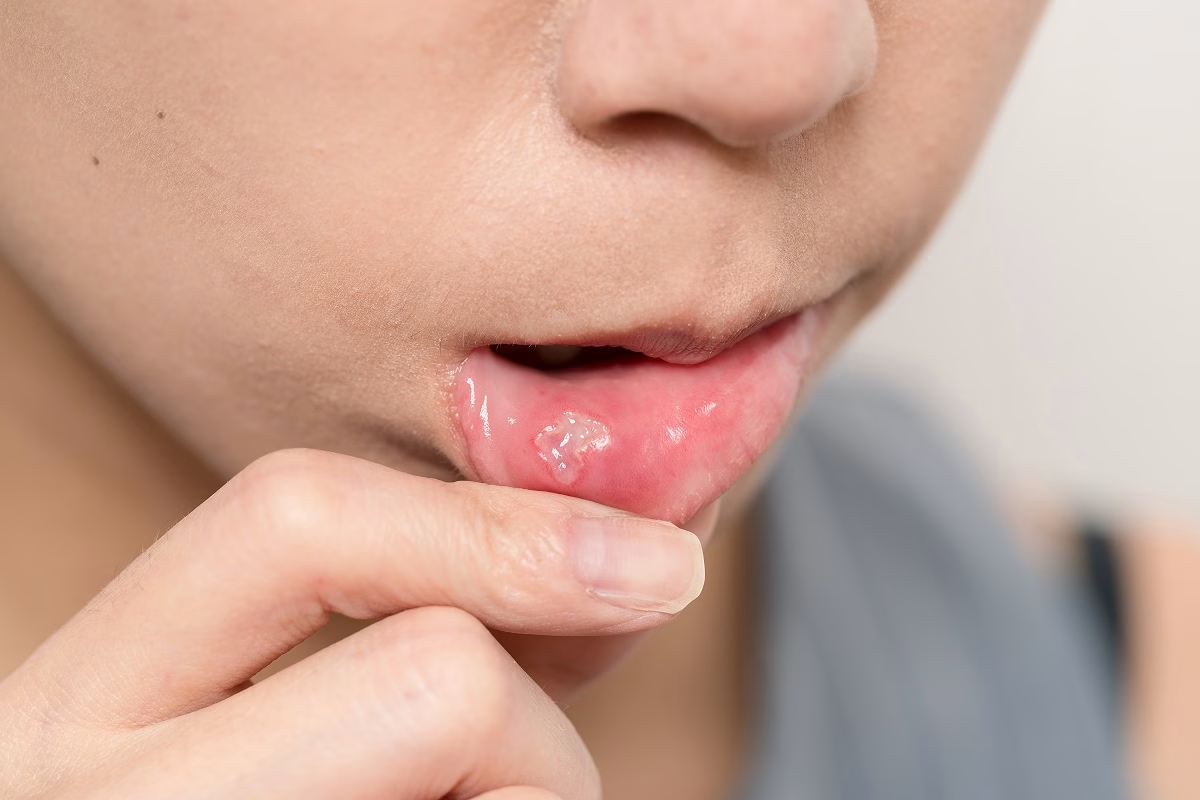
A common viral infection that causes cold sores to appear on the lips and nearby skin is called oral herpes. Once you get the virus that causes this condition, it sticks around for life. However, this virus does not cause symptoms frequently. In most cases, this condition is managed with antivirals. These medicines help ease the symptoms and reduce the frequency and severity of the symptoms once they occur.
This condition is caused by a type of herpes simplex virus (HSV) that negatively affects the mouth. Usually, an episode of oral herpes includes small blisters (cold sores) that appear on or around the lips. These episodes (outbreaks) often happen within 14 days after getting the virus. Sometimes, an episode may occur months or even years later. Mostly, people have this virus but do not realize they have it.
Furthermore, a lot of people often assume “herpes” is a sexually transmitted infection (STI). While it can spread to the mouth through sexual contact, in most cases, it spreads among people through non-sexual contact (such as when a parent with oral herpes kisses a child). Generally, all STIs are common and spread easily from one person to another. For instance, if you have genital herpes, it may spread to other people. Sometimes, oral herpes is called oral-facial herpes or herpes labialis.
Symptoms
While the most common symptom of oral herpes infection is cold sores, it may also cause other symptoms. These cold sores often appear on or around the lips (especially along the outer edge of the lips). In some cases, the symptoms appear on the cheeks, chin, or nose. The following symptoms usually appear when you are infected with HSV for the first time. For example:
- Fever
- Sore throat
- Swelling and redness in the throat
- Swollen lymph nodes
- Painful sores inside the mouth (including the gums, tongue, and roof of the mouth, also known as the palate)
In rare cases, people infected with this virus may not experience any symptoms. Furthermore, most people realize they have HSV when the first cold sores appear. When the first infection is treated, the virus remains dormant in the nerve cells in the head. Some people may say the virus is “asleep”. When it “wakes up”, a person may experience a cold sore outbreak. In addition, those who have a weakened immune system may experience more severe oral herpes outbreaks.
Causes
This condition is a viral infection caused by the herpes simplex virus. In general, there are 2 types of the virus that can cause oral herpes. These include HSV-1 and HSV-2. In most cases, people develop oral herpes due to HSV-1.
Commonly, people get infected with this virus when they come in direct contact with infected people’s skin or saliva. It often occurs when:
- You engage in sexual activity with an infected person
- Kiss someone with a cold sore
- Share objects (such as a cup, spoon, fork, or lip balm)
While this infection can affect people of all ages, it usually occurs in children. The risk of getting the virus is high during childhood because of adults who carry the virus. It usually spreads when an adult with cold sores kisses a child.
What Happens if Oral Herpes is Left Untreated?
In some cases, people with oral herpes may experience some complications, especially if they develop a severe form of the infection. Check below some examples:
- Ocular herpes
- Encephalitis
- Meningitis
- Meningoencephalitis
- Herpetic whitlow (in such cases, the infection affects the skin)
People with atopic dermatitis and oral herpes may develop a serious infection called eczema herpeticum. This complication often occurs when the virus spreads from the mouth to a part of the body that is affected by eczema. The virus enters the skin easily because eczema often causes breaks in the skin.
How to Prevent Oral Herpes?
The virus that causes oral herpes often spreads easily from one person to another. That’s why it is not always possible to prevent this condition. Check below some tips that doctors often recommend to reduce the risk:
- Do not share anything that touches another person’s mouth, including lip balm, kitchenware, and others. This is a good rule even if you or someone else does not have cold sores.
- Do not kiss someone with an oral herpes outbreak
- It is also recommended to avoid sexual contact with an infected person. Direct skin-to-skin contact can infect you.
Diagnosis
Usually, doctors begin the oral herpes diagnosis with a physical examination to check for abnormalities linked to the infection (such as cold sores). Thereafter, they may also ask some questions about your medical history and symptoms. It helps get more clues about the disease. While in most cases doctors recognize oral herpes through cold sores on or around the mouth, sometimes, they may perform some tests to confirm or rule out this infection. Physicians usually get a small sample of fluid from a cold sore for testing. This test is often performed in people with weakened immune systems.
People who do not have an outbreak may also carry the virus that causes this infection. Therefore, doctors often perform a blood test to check for antibodies against HSV-1 or HSV-2. If one of these viruses is present in the blood, it means you have had a primary HSV infection in the past, and it may reactivate in the future.
Treatment
Unfortunately, this infection cannot be cured. Once you get the virus, it will remain in the body for the rest of your life. That’s why the treatment goal is to relieve the symptoms and prevent outbreaks in the future. Check below some treatments that doctors often recommend for people with oral herpes:
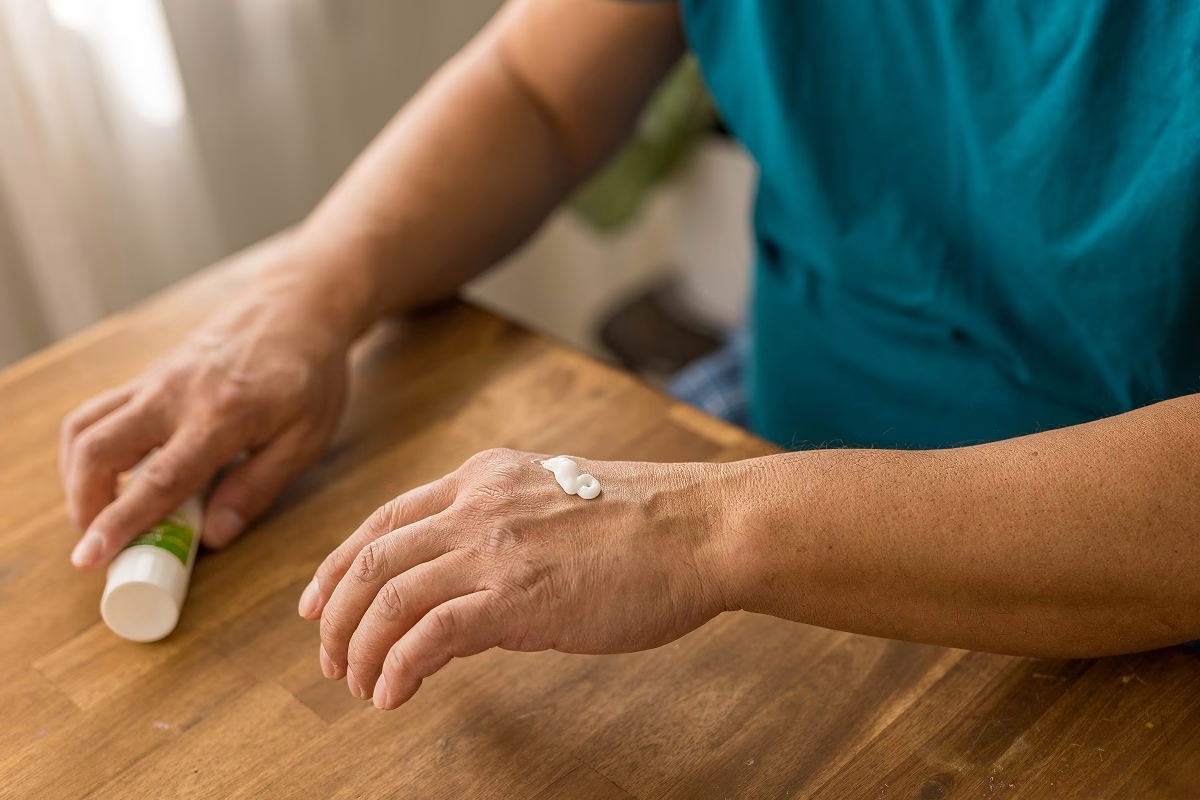
- Topical medicines – These are antiviral creams that are applied to the affected area. In some cases, physicians may also recommend over-the-counter (OTC) creams or ointments instead of prescription ones.
- Oral medicines – This category of medicines is administered orally. Most of them require a prescription. In general, antivirals help ease the symptoms caused by HSV-1 or HSV-2 and prevent future outbreaks.
Some people may also need topical anesthetics. These are specific creams or gels that are applied to the affected skin to numb it. They provide temporary and quick relief of pain caused by cold sores.
Frequently Asked Questions
How to get rid of oral herpes quickly?
The best way to relieve the symptoms and prevent future outbreaks is with antiviral medications. They are available in creams, ointments, gels, and pills. In most cases, people notice improvements within 2 days after starting the treatment.
Is oral herpes an STD?
In some cases, oral herpes is a sexually transmitted infection (STI). For instance, if you can develop oral herpes if you perform oral sex on a person with genital herpes, you can develop oral herpes. However, most people develop oral herpes without sexual contact.
When should I see my healthcare provider?
It is advised to contact your healthcare professional if you have an oral herpes outbreak and any of the following things are true. Examples include:
- You have a health condition that suppresses your immune system (such as HIV infection)
- This is the first outbreak
- Other symptoms besides cold sores, including sores inside the mouth, fever, or others
- Atopic dermatitis
- Severe outbreak
If you have additional questions, ask your healthcare professional.

