
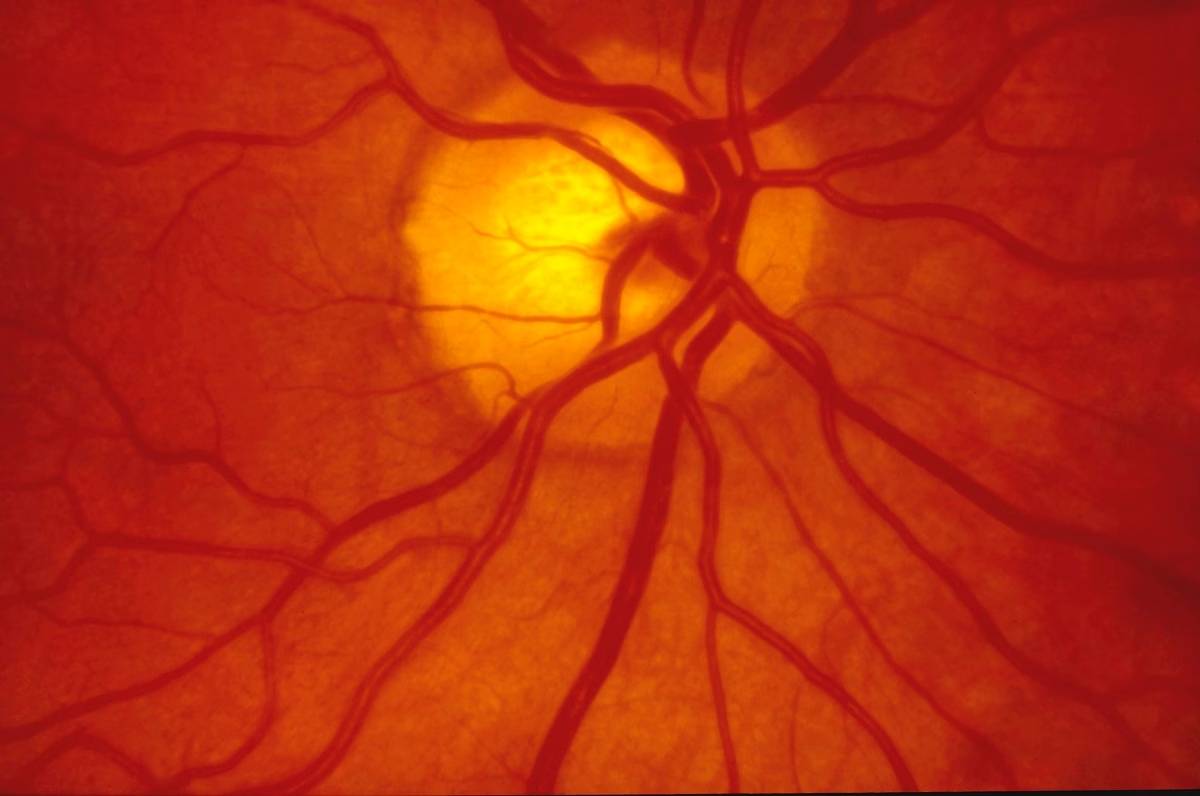
The medical term for damage to the optic nerve is known as optic atrophy. Normally, the optic nerve carries signals from the eyes to the brain. Damage to this nerve may lead to permanent loss of vision, especially if it is left untreated. Usually, people develop optic atrophy due to infections, inflammation, and reduced or lack of blood flow. The treatment goal is to manage the underlying cause, which can stop the progression of this condition.
In other words, a health condition that negatively affects the cells of the optic nerve that carry impulses from the eyes to the brain is called optic atrophy. Sometimes, this condition is called optic nerve atrophy, and it is a serious disorder that may lead to vision loss without treatment.
Symptoms
Commonly, people with optic atrophy experience the following symptoms. Examples include:
- Blurred vision
- A reduction in sharpness of vision
- Difficulties with peripheral and color vision
- Tunnel vision
- Blind spots
- Increased sensitivity to glare
- Eye pain or discomfort
- Nystagmus (fast and involuntary eye movements)
- Diplopia (double vision)
- Weakness or numbness in the face and limbs (this symptom often occurs when optic atrophy is a part of other neurological disorders)
If you experience any of the previous symptoms, immediately contact your healthcare professional.
Causes
The nerve optic is made by nerve fibers that send signals between the eyes and the brain. In people with optic atrophy, something affects the optic nerve’s ability to send these signals. Check below some possible causes of this disorder:
- Lack of proper blood flow (vascular/ischemia) – This is one of the most common causes of optic atrophy.
- Congenital (present at birth) disorders – There are some conditions that may cause loss of vision in one eye. One of them is Leber hereditary optic neuropathy.
- Extrinsic compression (pressure from outside) and intrinsic compression (inside the nerve) – Usually, this pressure on the nerve comes from a tumor. Some people may also develop optic atrophy due to glaucoma (including high eye pressure).
- Damage caused by inflammation or other health conditions in the optic nerve – For example, neuritis (inflammation of the optic nerve), hydrocephalus (fluid buildup in the brain), and others.
- Infections – There are some infections that may cause damage to the optic nerve, especially if they are left untreated. For example, syphilis, measles, and others.
- Trauma (eye injury) – Commonly, people get eye injuries in different ways, including industrial or car accidents, sports, or fighting.
- Retinal diseases – The following conditions cause damage to the retina. For example, diabetes-related retinopathy, retinal vein occlusion, and others.
- Damage caused by toxins, nutritional deficiencies, or medicines – In such cases, optic atrophy negatively affects both eyes.
Is Optic Atrophy Contagious?
While the condition itself is not contagious, some infections that cause it may spread from one person to another. For example:
- Syphilis
- Measles
- Tuberculosis
- Mumps
- Chickenpox
- Lyme disease
- Aspergillosis
- Cryptococcosis
Risk Factors
Physicians have identified some factors that may increase the risk of developing optic atrophy. Examples include:
- Ischemic optic neuropathy (ION) – This condition causes reduced or a lack of blood flow to the optic nerve, including both arteritic (associated with inflammation) and non-arteritic (more common).
- Diabetes
- Vascular disorders (such as giant cell arteritis)
- Shock (this condition can lead to poor blood supply to the optic nerve)
- Systemic inflammatory diseases (such as sarcoidosis, Behcet’s disease, and others)
- Certain medicines (including Ethambutol, Isoniazid, Chloramphenicol, Amiodarone, and Vincristine)
- Misuse of alcohol and tobacco use
- Prolonged exposure to toxins (such as Methanol) or heavy metals (such as Mercury)
- Metabolic disorders (including severe renal impairment)
- Tumors in the brain, pituitary gland, optic nerve sheath, and other parts of the body
- Increased intracranial pressure, such as idiopathic intracranial hypertension (IIH)
- Optic nerve drusen
- Bone abnormalities (including osteoporosis and fibrous dysplasia)
What Are The Potential Complications of Optic Atrophy?
While the most serious complication of optic atrophy is permanent vision loss, people with this condition may also experience other complications (such as tunnel vision, color vision problems, and other issues). Furthermore, you may also experience complications from underlying causes. These include:
- Multiple sclerosis (MS)
- Glaucoma
- Brain tumors
- Infections (including viral, bacterial, and parasitic infections)
- Vascular disease
- Inflammatory disorders
- Toxic or nutritional deficiencies
This document does not contain a complete list of optic atrophy complications. However, you can consult with your healthcare professional about ways to reduce the risk of developing them.
How to Prevent Optic Atrophy?
While most times it is not possible to prevent this condition, doctors may recommend the following tips to reduce the risk. For example:
- Get vaccines to prevent infections
- Practice safe sex (using condoms or dental dams) to prevent sexually transmitted infections (STIs)
- Wear protective equipment to prevent eye injuries
Diagnosis
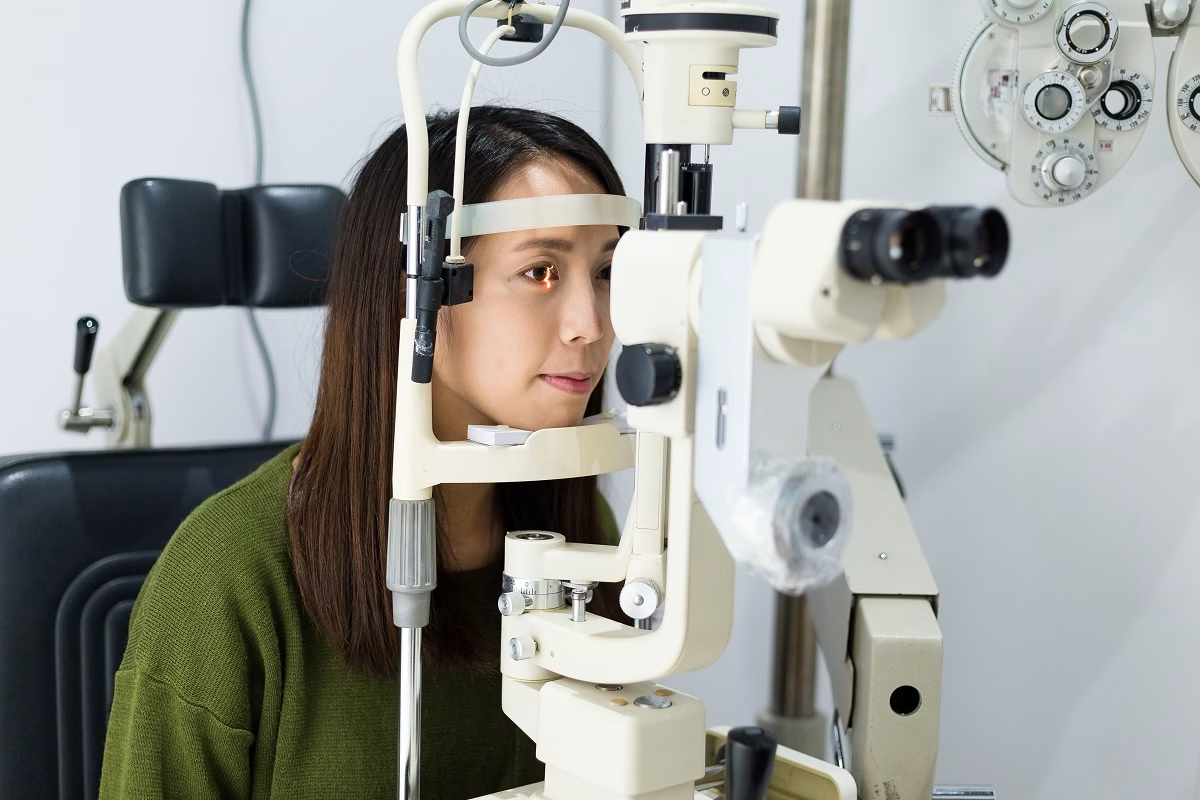
If you begin to experience vision problems, immediately visit a doctor. Usually, the diagnosis begins with questions about the symptoms and medical history. They may also ask some questions about what you eat, drink, and what medicines you are using (including supplements). Therefore, eye care specialists will perform an eye examination. However, to confirm or rule out this condition, doctors may perform the following tests. These include:
- Optical coherence tomography
- Visual field tests
- MRI (magnetic resonance imaging) scans
- Fluorescein angiography
- Ultrasound
- Blood tests
The previous tests can also identify the underlying cause of optic atrophy (including multiple sclerosis, brain tumors, and others)
Treatment
In general, the treatment goal is to relieve the symptoms and stop the disease progression. There is no cure for optic atrophy. That’s why it is important to have regular eye examinations. Sometimes, physicians may recommend treatment for the underlying condition. For instance, procedures to drain fluid from the brain and spinal cord, surgery to remove a tumor, and others.
Frequently Asked Questions
What can I expect if I have optic atrophy?
Usually, the prognosis of this disorder varies among people because it depends on the exact cause. For instance, if you develop optic atrophy due to optic neuritis, you can recover vision when the inflammation is treated. However, if you develop optic atrophy due to a more serious condition, loss of vision can be permanent.
How do you treat optic atrophy?
Usually, the treatment for this condition includes options to manage the underlying disorders (such as glaucoma or diabetes) and low-vision aids (including magnifiers, telescopic glasses, and undergoing visual rehabilitation).
What is the most common cause of optic neuropathy?
Most people develop this disorder due to an underlying hereditary condition or disease. Ask your healthcare provider if you have any other questions.