
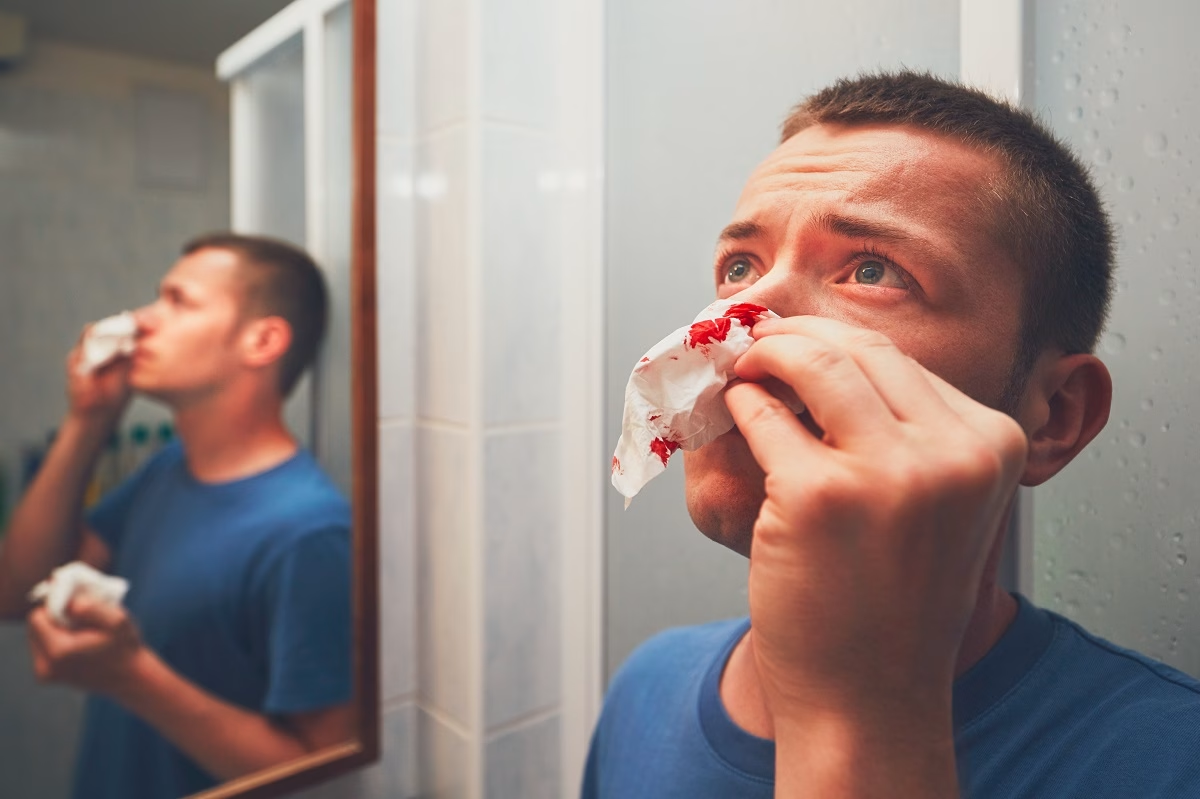
A nosebleed, also known as epistaxis, occurs when you lose blood from the tissue that lines the inside of the nose. Sometimes, nosebleeds may occur due to dry air. Usually, this condition does not cause serious health problems, and it is easy to treat.
In most cases, people have a nosebleed only in one nostril, but it may affect both. In the nose are located multiple small blood vessels that help warm and moisten the air you breathe. These blood vessels lie close to the inner surface of the nose, and when air moves through the nose, it can dry and irritate these vessels. As a result, it leads to a nosebleed.
Furthermore, about 6 in 10 people will have at least one nosebleed at some point in life. In most cases, nosebleeds are mild and go away with home remedies. In more severe cases, this condition can cause other symptoms (such as vomiting or breathing problems). In this case, you should visit a doctor right away.
Types of Nosebleeds
Physicians have divided this condition into 2 categories by the site of the bleeding. For example:
Anterior Nosebleed
This type of nosebleed starts in the front part of the nose on the lower part of the wall that separates the 2 sides of the nose (also called the septum). Tiny blood vessels and capillaries are located in the front area of the nose, and they are fragile, which means they can break easily and bleed. Anterior nosebleed is the most common type of this condition, and it is often mild. Most people treat this form of nosebleed at home.
Posterior Nosebleed
In such cases, bleeding begins deep inside the nose. It occurs due to bleeding of the large blood vessels located in the back part of the nose near the throat. Sometimes, people with posterior nosebleeds may experience heavy bleeding as it reaches the back of the throat. If it occurs, immediately seek medical help.
Symptoms
Some people may not develop any symptoms, but others may notice blood that comes from their nose. For instance, in people with a posterior nosebleed, some blood may drain down the back of the throat into the stomach. As a result, it may lead to a bad taste in the back of the throat and make you nauseated. If you are experiencing other symptoms, it may indicate other health conditions.
Causes
This condition typically affects only one nostril, but it can also occur in both nostrils simultaneously. In general, there are multiple causes of nosebleeds, and most of them are not serious. One of the most common causes of nosebleeds is dry air. Usually, it is drier in the following areas. For example:
- Hot and low-humidity climates
- Heated indoor spaces
- High altitudes
Nosebleeds occur because dry air affects the nasal membrane, causing it to become crusty or cracked. However, you may develop this condition due to other causes. These include:
- Administer blood-thinning (also known as anticoagulants), such as Aspirin, NSAIDs, or Warfarin
- Breathe in chemicals from fumes at the workspace, cleaning products, or other strong odors
- Use recreational drugs (such as cocaine)
- Frequent use of decongestant or antihistamine nasal sprays
- Have allergic or nonallergic rhinitis (inflammation of the nasal lining)
- Upper respiratory or sinus infections that make you keep sneezing, coughing, and blowing your nose
- Have a deviated septum
- Injure your nose or face
- Insert an object in the nose
Furthermore, there are other less common causes of nosebleeds. Examples include:
- Nasal polyps or tumors
- Immune thrombocytopenia
- Leukemia
- Pregnancy
- Hereditary hemorrhagic telangiectasia
- Facial or nasal surgery
- Atherosclerosis (this condition causes a buildup of plaque in the blood vessels)
- Hypertension (high blood pressure)
- Certain bleeding conditions, including von Willebrand disease and hemophilia
- Frequent alcohol drinking
Risk Factors
While anyone may develop this condition, some factors could increase your risk of developing it. Check some of them below:
- Children from 2 to 10 years old – Children are at increased risk of developing nosebleeds because they stick fingers and objects in their noses. Moreover, colds, allergies, and dry air could play a role.
- Adults between the ages of 45 and 80 – Commonly, blood may take longer to clot in older adults. Furthermore, older adults are more likely to have hypertension, atherosclerosis, or a bleeding disease.
- Pregnancy – Generally, blood vessels expand while you are pregnant, which puts more pressure on the tiny blood vessels in the nose.
- Anticoagulants – The risk of developing nosebleeds also increases in people who administer Aspirin, Warfarin, or other blood-thinning medicines.
- Blood clotting disorders – These include hemophilia and von Willebrand disease.
Complications
Those who develop nosebleeds and do not get treatment may also experience some complications. For example:
- Anemia (low red blood cell count)
- Psychological distress
- Airway problems
- Nasal structural issues (such as nasal septum hematomas or perforations)
- Infections
- Toxic shock syndrome (in severe cases)
- Hypovolemia
The previous list does not contain all possible complications, but you can consult with your doctor about ways to reduce the risk or even prevent them.
How to Prevent Nosebleeds?
Doctors often can recommend some tips that may help prevent nosebleeds. Check some examples below:
- Saline nasal spray is used several times per day in each nostril to keep the nasal passages moist.
- Use a humidifier in your furnace or in the bedroom at night to add moisture to the air.
- You can also use over-the-counter (OTC) ointments or gels
- Do not blow your nose too forcefully
- Sneeze through an open mouth
- Do not put anything solid into the nose (including the fingers)
- Limit the use of medicines that increase bleeding (such as Aspirin or Ibuprofen)
- Stop smoking – If you face problems with smoking cessation, discuss it with your doctor.
- Wear protective headgear to prevent injuries to the face or nose
Diagnosis
Doctors often begin the diagnosis with questions about the length of the nosebleed, the approximate amount of blood that came out, how frequently you experience them, and others. You should also inform your doctor about medicines you administer, family history of blood disorders, and the use of alcohol or recreational drugs. Therefore, physicians may examine your nose to determine the source of bleeding and its cause. Sometimes, they may perform imaging tests, such as X-rays and CT (computed tomography) scans, or blood tests to check for blood vessel abnormalities or nasal tumors.

Treatment
Doctors often prescribe different treatments because they depend on the exact cause. Check some treatments often recommended by doctors below:
- Nasal packing – During this treatment, doctors will insert gauze, special nasal sponges or foam, or an inflatable latex balloon into the nose to apply pressure at the site of the bleed.
- Cauterization – This procedure involves applying a chemical substance (silver nitrate) or heat energy (electrocautery) to seal the bleeding blood vessel.
- Medicine adjustment or new prescription – Doctors may reduce the dose of anticoagulants or prescribe a new medicine to help the blood clot. They often recommend Tranexamic.
- Foreign objects removal – Doctors will remove a foreign object from your nose if it is the cause of nosebleeds.
- Surgery – Some people may need to repair a broken nose or correct a deviated septum (also called septoplasty).
- Ligation – During this procedure, doctors will tie off the culprit blood vessel to stop bleeding.
Home Remedies
Mild forms of nosebleeds can be treated at home. Doctors often recommend:
- Keep calm and breathe through the mouth
- Sit up straight with the head slightly forward
- Use your thumb or index finger to pinch the soft sides of the nose
- Wait for the bleeding to stop
When the previous remedies do not stop bleeding, you should visit a doctor.
Frequently Asked Questions
Can I drink water after a nosebleed?
Yes, doctors often recommend drinking plenty of fluids after a nosebleed.
Can you die from a nosebleed?
While it is difficult to control a nosebleed that occurs deeper in the nose, nosebleeds are rarely fatal.
What causes nosebleeds while sleeping?
In general, the reason for nosebleeds that occur during the night is the same as why they occur during the day. These include allergies, upper respiratory infections, damage to the nasal passages, dry air, and others. Ask your healthcare provider if you have any other questions.