
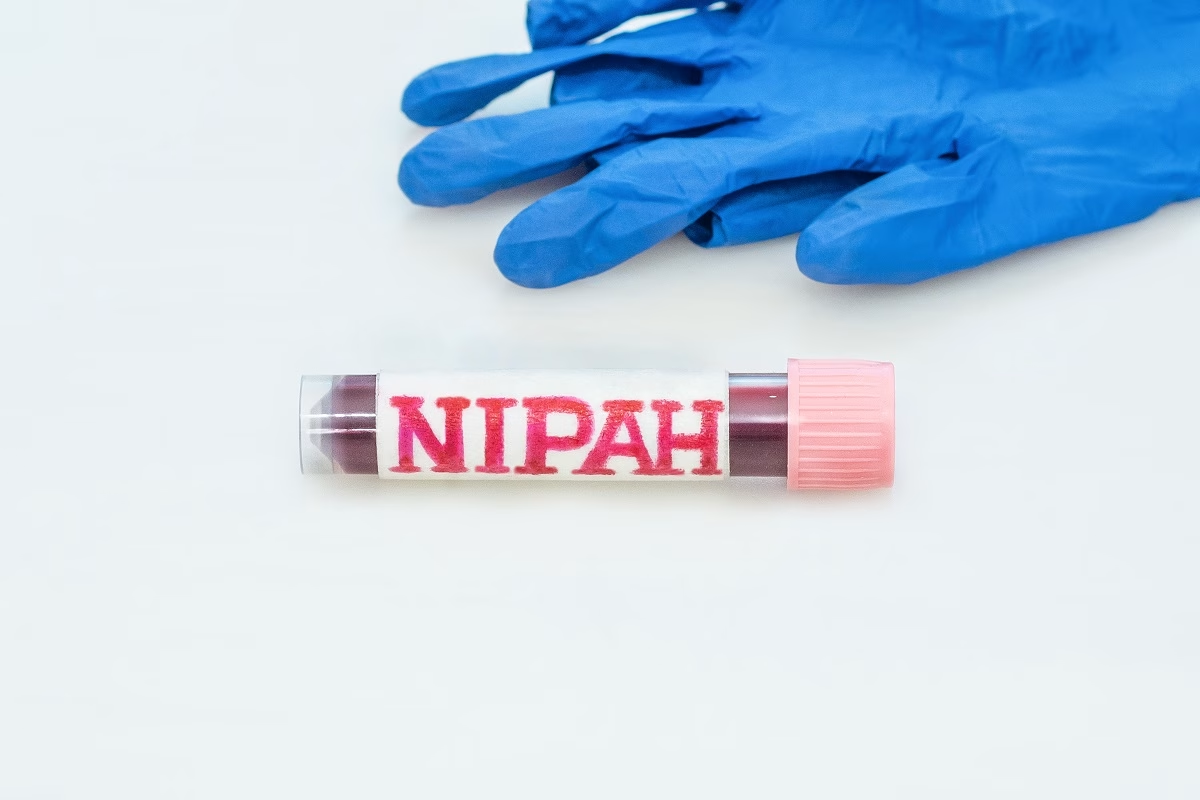
A virus that spreads primarily through fruit bats and causes severe symptoms (including death) is called the Nipah virus (NiV). Infection with this virus commonly occurs in Asia, mainly in Bangladesh and India. Unfortunately, there is no medicine or vaccine for this virus.
This virus can also spread between animals and people (also called a zoonotic virus). While it primarily spreads through fruit bats (also known as flying foxes), it may also spread through pigs and other animals, including goats, horses, dogs, or cats. Usually, this virus spreads when:
- People come in direct contact with the bodily fluids of infected animals. These include poop, blood, pee, and saliva.
- Eating foods that are contaminated with this virus
- People come in close contact with an infected person or animal
One of the best ways to prevent a Nipah virus infection is to avoid sick animals, especially in areas with known transmission. For example, avoiding foods that can be from infected animals or that can contaminate raw date palm sap or fruit. While this virus can cause mild symptoms, it may also cause severe symptoms such as encephalitis and even death. To prevent this virus, you should wear protective equipment and regularly disinfect surfaces.
Where is the Nipah Virus Found?
Outbreaks of this virus occur almost every year in parts of Asia, mainly in Bangladesh and India. This virus was discovered in 1999 because it caused 100 deaths in Malaysia and Singapore. Moreover, over 1 million pigs were killed because of this virus, which has caused a major economic impact on these countries. Since it was first discovered, there have been approximately 20 additional outbreaks.
If you visit or live in these countries, you should take extra precautions. In addition, other countries, including Cambodia, Indonesia, Madagascar, the Philippines, and Thailand, may also be susceptible to this virus because the bats that spread the virus live in these areas.
Symptoms
Usually, people with the Nipah virus experience the following symptoms. For example:
- Headaches
- Trouble breathing
- Cough and sore throat
- Diarrhea
- Vomiting
- Muscle pain
- Severe weakness
- Fever
In most cases, the symptoms begin within 14 days after exposure to this virus. Usually, the first symptoms are fever and headaches, and then people develop respiratory problems. However, if you develop a severe form of the Nipah virus, you may also experience a serious brain infection called encephalitis. Check below for other severe symptoms of Nipah virus infection:
Nowadays, doctors try to understand why some people with this virus have mild symptoms while others have severe ones. In any case, if you experience any of the previous symptoms, immediately visit a healthcare professional.
Causes and Risk Factors
The first diagnosed cases of this virus were in 1999, when people found they became very sick after exposure to pigs. Healthcare providers have determined that the original infection comes from bats that have passed the virus to those pigs. They also identified that this virus can spread to other animals and humans through bodily fluids. For example, the urine, stool, blood, or saliva. Furthermore, once a person gets infected with the Nipah virus, he/she can spread it to other people also through bodily fluids.
This virus may also infect humans through contaminated food products. For example, fruits, raw date palm sap, and others. In the areas where the Nipah virus is common, people frequently climb trees where bats sleep and rest. In addition, the Nipah virus can become airborne and spread to other people through respiratory droplets. It is often present in the air when an infected person sneezes or coughs.
The primary risk factor for the Nipah virus infection is direct contact with bats, pigs, and infected humans, especially in areas with virus outbreaks. It is also recommended to take extra care to avoid sick animals, consuming raw date palm sap, or fruits that can also be contaminated.
What Are The Long-term Effects of the Nipah Virus?
While some people develop a mild form of infection, others may experience severe symptoms and complications. Check some examples below:
- Convulsions
- Personality changes
- Encephalitis
- Atypical pneumonia
- Severe breathing problems
- Seizures
- Inflammation of the blood vessels (vasculitis)
- Persistent neurological problems, including memory loss, cognitive impairment, attention deficits, movement disorders, chronic fatigue (extreme tiredness), and others
- Neuropsychiatric problems (including depression)
This document does not contain a complete list of complications, but you can talk with your physician about ways to reduce the risk of developing them.
How to Prevent the Nipah Virus?
People who live or travel to areas where the Nipah virus is common should take the following precautions. Examples include:
- Regularly wash your hands with soap and warm water.
- Do not get into direct contact with sick pigs or bats.
- Disinfect and clean pig farms (infected animals should go into quarantine immediately)
- Do not eat or drink things that may be contaminated, including palm sap or fruit. If you collect palm sap, you should boil it first and peel all fruits before consuming them.
- Avoid contact with saliva, blood, or other bodily fluids of a potentially infected animal or person.
- Do not climb the trees where bats sleep or rest.
There are other infection control measures that may help prevent the spread of the Nipah virus, especially if you are caring for a person who is infected. You should use PPE (personal protective equipment). Check some examples of PPE below:
- Isolation or full coverage gowns
- Medical gloves
- Eye protection (such as safety glasses or goggles)
- Medical or surgical masks
Diagnosis
Doctors often ask questions about the symptoms and places where you have recently traveled to get more information about your disease. However, in the early stages of the Nipah virus infection, doctors may perform a real-time polymerase chain reaction (RT-PCR) to confirm this condition. To perform this test, doctors often use the following bodily fluids. For example:
- Blood
- Urine
- Cerebrospinal fluid (CSF)
- Nasal or throat swabs
Sometimes, this infection is diagnosed in late stages by performing a blood test to check for specific antibodies present in people with the Nipah virus. This test is called an enzyme-linked immunosorbent assay (ELISA).

Treatment
Unfortunately, there are no antiviral medicines that can kill this virus. Check below some options that doctors often recommend to ease the symptoms:
- Drink plenty of water and get plenty of rest
- Medicines to control nausea and vomiting
- Over-the-counter pain relievers (such as Acetaminophen and Ibuprofen)
- Antiseizure medicines
- Inhalers and nebulizers to improve breathing
Nowadays, researchers are studying monoclonal antibody treatment for the Nipah virus.
Frequently Asked Questions
Is there a cure for the Nipah virus?
No, this infection cannot be cured, and most of the time it is fatal. Approximately 75% of people who get this infection die from it.
What does the Nipah virus do to humans?
According to the Centers for Disease Control and Prevention (CDC), most people die from this infection, but it depends on how well doctors can manage the outbreak.
How does it spread?
In most cases, this virus spreads from animals to humans. However, it may also spread from one person to another through bodily fluids, including blood, saliva, urine, or stool.
How contagious is the Nipah virus?
This is a contagious virus that easily spreads from animals to humans through direct contact with bodily fluids. Moreover, infected people may also spread the virus when they sneeze or cough. In such cases, the virus becomes airborne. If you have additional questions, ask your healthcare provider.