
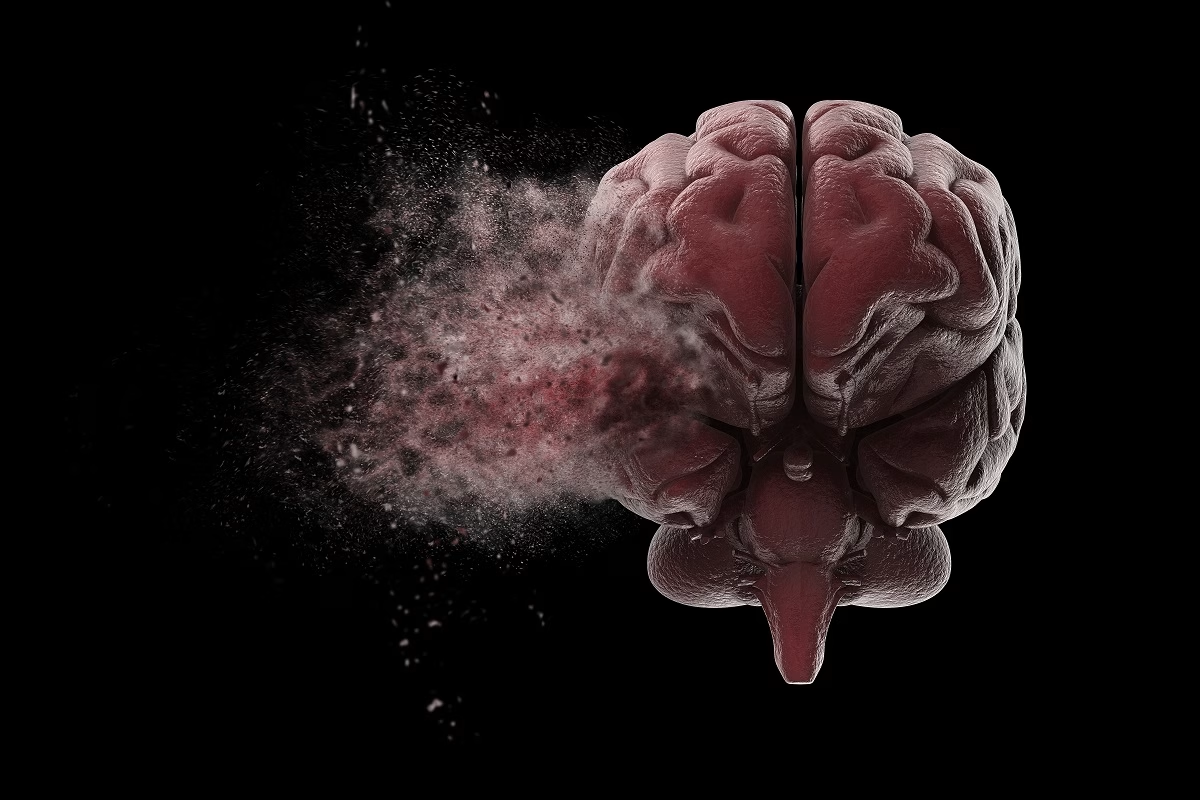
A type of brain disease that usually affects older adults and, without treatment, may lead to dementia, stroke, and walking problems, is called microvascular ischemic disease (MVID). In most cases, doctors treat this condition by reducing or managing risk factors, including high cholesterol, smoking, diabetes, and hypertension (high blood pressure).
Furthermore, MVID is an umbrella term used to describe different changes in small blood vessels of the brain. Complications of MVID often occur according to the severity of the condition and range from difficulty focusing to stroke. Sometimes, this condition is called cerebral small vessel disease (CSVD), chronic microvascular ischemic disease, or small vessel ischemic disease.
In general, MVID occurs commonly in older adults. According to some research, it causes about 45% of dementia and 25% of strokes.
Symptoms
Most of the time, healthcare professionals call this condition a silent disease because it does not cause any symptoms. Moreover, most people attribute symptoms to normal signs of aging. The symptoms often range from mild to severe, and some people may also experience serious health problems due to microvascular ischemic disease. Check some symptoms below:
Bladder
- Urinary incontinence (inability to control the bladder)
- Urinary urgency (sudden urge to urinate)
- Frequent urination
Cognition
For example:
- Dementia
- Problems with focusing and concentrating
- Mild cognitive impairment (problems with thinking clearly)
- Delirium (sudden confusion)
Neurology
The following symptoms often occur when MVID affects the nervous system. Examples include:
- Dysphagia (swallowing problems)
- Inability to control facial muscles
- Dysarthria (slurred speech)
- Pseudobulbar affect (inappropriate or uncontrollable outbursts of crying or laughing)
Mental Health Problems
- Anxiety
- Apathy
- Depression
- Irritability
- Fatigue (extreme tiredness)
Sleep
- Sleep disorders (such as sleep apnea)
- Difficult falling and staying asleep
Walking
- Balance problems
- Increased risk of falls
- Slow and shuffling walk
Immediately contact your healthcare provider if any of the previous symptoms occur. You should not consider them as a normal part of aging. Otherwise, it may lead to disability and other serious complications.
Causes and Risk Factors
People often develop microvascular ischemic disease due to the narrowing of certain tiny blood vessels from wall thickening to plaque buildup. Nowadays, experts continue to study the causes of this disorder. However, they think there are a lot of contributing factors.
While anyone may develop microvascular ischemic disease, the following factors could elevate your risk. Check some of them below:
- Age – This is the main risk factor for this disorder. While it affects only about 5% of people who are 50 years old, it also affects almost 100% of people over the age of 90.
- Chronic kidney disease (CKD)
- Diabetes
- High cholesterol (also known as hyperlipidemia)
- Obstructive sleep apnea
- Smoking (including the use of other tobacco products)
- Hypertension (high blood pressure), particularly 140/90 mm Hg (arterial hypertension)
- Obesity (excessive body weight)
- Family history – If you have a parent or sibling with vascular disorders, your risk of developing microvascular ischemic disease significantly increases.
- Cancer treatments (such as radiation therapy used to treat a type of cancer)
What Happens if Microvascular Ischemic Disease is Left Untreated?
People who develop this health condition may also have some complications, especially if they think it is a normal part of aging and do not manage it. Check some examples below:
- Vascular dementia and cognitive decline – MVID is one of the leading causes of vascular dementia because it reduces blood flow to the brain. It may also cause memory loss, mental decline, and cognitive changes.
- Ischemic stroke – This complication happens due to damaged small vessels where blood supply to the brain is cut off.
- White matter hyperintensities – This complication can be detected on an MRI scan, which often reveals white spots, which indicate chronic (long-term) damage to the brain’s white matter. It often causes cognitive impairment.
- Movement and balance problems – These issues often happen due to damage to the motor pathways in the brain.
- Parkinsonism – The symptoms of this complication often resemble Parkinson’s disease (including slow movement).
- Urinary dysfunction
- Mood disorders – These include anxiety, depression, frustration, and others.
This article does not contain a complete list of microvascular ischemic disease complications. However, you can talk with your physician about ways to reduce the risk or even prevent them.
How to Prevent Microvascular Ischemic Disease?
While it is not always possible to prevent this condition, doctors may recommend some tips that can reduce the risk of developing microvascular ischemic disease. Check some examples below:
- Dietary changes – Add to your diet multiple nutrients and reduce salt, saturated fats, and sugar.
- Physical exercise – Your physician may also recommend some physical exercise to improve your balance, strength, and heart health. Fitness trainers and physical therapists can make sure you perform exercises that are safe and effective for your needs.
- Stop smoking – If you face problems with smoking cessation, discuss it with your doctor or take part in science-based smoking cessation programs. It often includes support groups and counseling.
- Manage stress – Your physician may recommend the following relaxation strategies. These include yoga, meditation, physical exercise, and others.
Diagnosis
Most of the time, microvascular ischemic disease is diagnosed by an imaging test called MRI (magnetic resonance imaging). It makes detailed images of the different structures and organs in the body. Commonly, it helps detect the following structural signs. Examples include:
- Cerebral microbleeds (bleeding in the small blood vessels in the brain)
- Damage to the white matter that often appears as bright-white spots on the scan
- Lacunar infarcts – These are small strokes that may not cause symptoms but can be detected by MRI scans.

Treatment
If this condition is found in the early stages, doctors may recommend treatments to reverse some brain changes. However, microvascular ischemic disease tends to worsen and become irreversible if a person does not get treatment.
In general, there are no specific treatments for this disorder. That’s why the treatment goal is to manage risk factors and prevent serious complications (such as dementia or stroke). Check below some options often recommended by doctors for people with microvascular ischemic disease:
- Stop smoking and the use of any tobacco products
- Limit or avoid alcoholic drinks
- Adopt healthy habits (including eating more nutrients, regularly exercising, and others)
- Manage chronic health conditions (such as hypertension, high cholesterol, hyperglycemia, and others).
Frequently Asked Questions
What is the outlook for microvascular ischemic disease?
If you get treatment, it often helps slow down the progression of the disease and improve your quality of life. Otherwise, it may lead to serious complications, including severe cognitive decline, stroke, dementia, and others.
When should I go to the ER?
Immediately call 911 or go to the nearest emergency room (ER) if any of the following symptoms occur. Examples include:
- Loss of balance and coordination
- Numbness
- Weakness
- Severe headaches
- Loss of vision in one or both eyes
- Inability to talk
- Dizziness
Can stress cause microvascular ischemic disease?
Yes, people who experience significant and long-term mental stress may develop or worsen an existing microvascular ischemic disease. If you have additional questions, ask your healthcare provider.