

A disease in which the organs or tissue push through the pelvic floor muscles into the abdominal cavity is called a perineal hernia. People are usually at increased risk of this condition after pelvic surgery. However, injuries and pregnancy can also cause a perineal hernia. The most common symptom of this disorder is pain that can be as severe as it is not possible to sit. In most cases, doctors recommend surgery to treat this condition. Rarely, this condition can be present at birth (also known as a congenital perineal hernia).
To understand this disorder better, we should break down the meaning of each word. For example:
- Perineal – This word refers to the perineum, which is the part of the skin located between the anus and the outer part of the genitals. For instance, in the male reproductive system, this is the scrotum, and in the female reproductive system, it is the vagina.
- Hernias – It is a health condition in which an organ or fatty tissue pushes through a weak part of the muscle or fascia. Moreover, a fibrous connective tissue that holds the muscles, organs, nerves, bones, and blood vessels in place is called a fascia. In addition, the fascia and muscles are a part of the musculoskeletal system.
How Common is a Perineal Hernia?
Generally, hernias occur quite commonly and often affect people of all ages. One of the most common types of hernia that negatively affects people is the inguinal hernia. It occurs when a part of the small intestine pushes into the groin area. About 1 in every 3 people (in most cases, males) will develop an inguinal hernia at some point in their lives in the U.S.
However, perineal hernias occur very rarely and affect about 0.34% to 7% of people who have had pelvic surgeries. Additionally, perineal hernia occurs more commonly in women than in men.
Types of Perineal Hernia
Healthcare providers have divided this type of hernia into 3 categories. These include:
- Congenital (this type occurs very rarely and is present at birth)
- Secondary (it usually occurs after surgery)
- Acquired (in such cases, the condition occurs after an injury, disorder, or pregnancy)
Symptoms
There are some people who do not experience symptoms despite having a perineal hernia. However, the most common symptoms of this condition are discomfort and pain when sitting, but it may also cause other symptoms. Examples include:
- Small bowel or large bowel obstruction
- Swelling in one butt cheek
- Difficulty popping or peeing
- Pulling sensation or discomfort when standing
Do not hesitate to visit a doctor if any of the previous symptoms occur.
Causes
This type of hernia often occurs when something causes damage to muscle or fascia in the pelvic floor. As a result, the tissue is stretched or weakened. Commonly, damage is caused by injuries, other health conditions, pregnancy, or major pelvic surgeries. In general, the pelvic floor contains multiple muscles that support organs in the pelvis, such as the bladder and rectum. Moreover, it also supports the prostate (in males) and the uterus and vagina (in females).
Usually, people are at increased risk of developing a perineal hernia if they have a large incision in the abdomen after a pelvic surgery. However, this procedure often involves cutting or stretching multiple muscles and tissues in the pelvic area. In addition, this type of hernia tends to occur within 6 months to 5 years after a pelvic surgery.
This condition can affect multiple organs that eventually push through the pelvic floor into the abdominal cavity. These include the bladder, large intestine, omentum (a layer of fat that covers the intestines, liver, and stomach), small bowel, and uterus.
Risk Factors
While a perineal hernia can affect anyone, doctors have identified some factors that may increase your risk of developing it. Check some examples below:
- Sex – Women are more prone to a perineal hernia than men.
- Cancer treatments (these include chemotherapy, radiation therapy, and others)
- Smoking
- Hysterectomy
- Rectal tumors or cancer
- Immunosuppressants (a group of medicines used to reduce the reaction of the immune system)
Moreover, the risk of a perineal hernia may also increase after certain surgeries. In such cases, the disease is called a secondary perineal hernia. Check some of them below:
- Abdominoperineal resection – This surgery is often recommended by doctors for people with rectal or anal cancers. During this procedure, surgeons will remove the anus, rectum, and a part of the large intestine (also known as the sigmoid colon). However, in some cases, physicians may recommend a laparoscopic abdominoperineal resection that is performed through multiple small cuts (incisions) instead of a large one.
- Proctectomy (also known as low anterior resection) – This procedure is used to remove a part or all of a cancerous rectum through a cut in the lower abdomen (belly). However, this surgery can also be used to treat IBD (inflammatory bowel disease).
- Pelvic exenteration – Usually, doctors prescribe this treatment for people with rectal cancer, prostate cancer, cervical cancer, uterine cancer, vaginal cancer, or vulvar cancer. It involves the removal of the rectum and certain nearby organs, including the bladder, prostate, or uterus.
- Prostatectomy – During this surgery, the doctor will remove the prostate gland. Commonly, it involves open radical prostatectomy or laparoscopic prostatectomy.
How to Prevent a Perineal Hernia?
Fortunately, there are some ways that may help reduce the risk or even prevent a perineal hernia. These include:
- Kegel exercises (also known as pelvic floor exercises)
- Trying to treat health conditions without invasive procedures
- When other treatments do not work, follow all the recommendations of your doctor after surgery, especially about lifting heavy objects
Diagnosis
The diagnosis of this disorder often begins with a physical examination to check for irregularities linked to the disease. Usually, doctors are able to feel or see the bulging hernia sac. However, to confirm or rule out a perineal hernia, doctors often perform some imaging tests. These include a CT (computerized tomography) scan or an MRI (magnetic resonance imaging) scan.
Treatment
Most people with perineal hernias require surgery to put the protruding organ or tissue back into its proper place. During this procedure, surgeons may also stitch together the weakened muscle or fascia to better support the organs. Check below some surgeries often prescribed by doctors for people with this type of hernia:
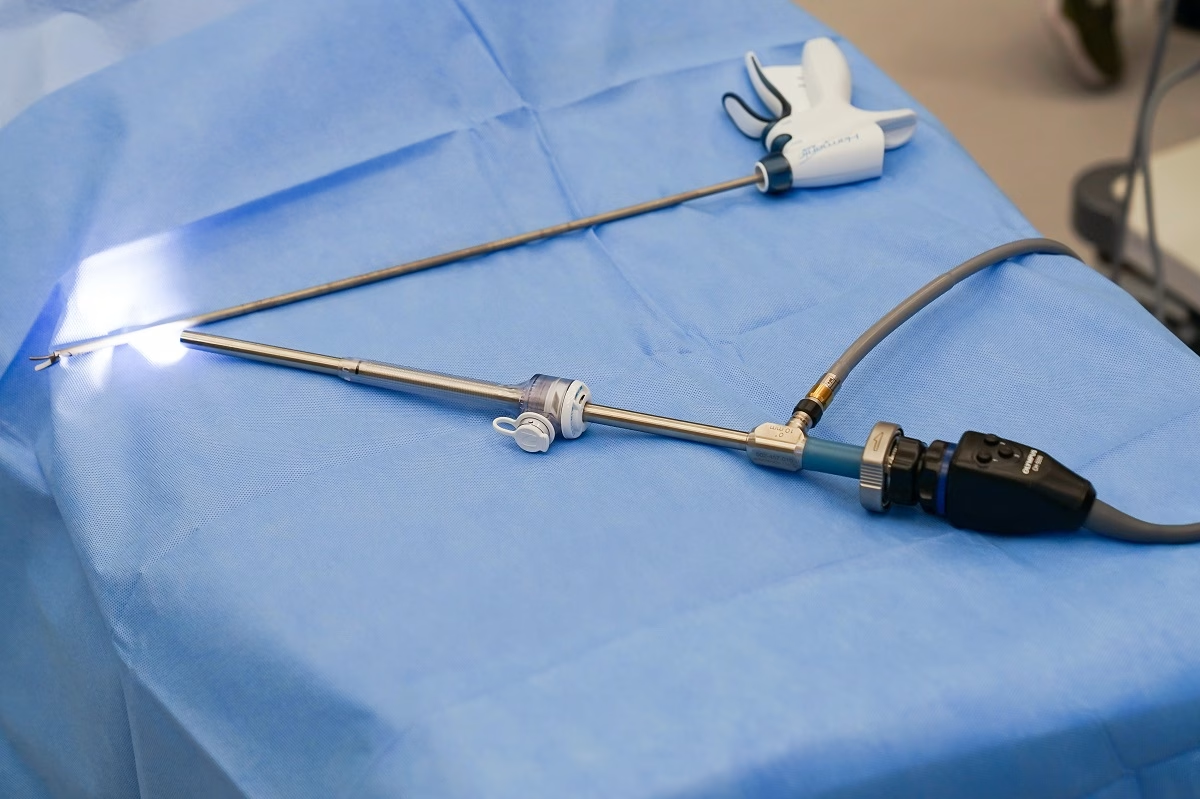
- Laparoscopy – This procedure uses a device with a lighted camera on the end, and it is performed through multiple small cuts (incisions).
- Robotic surgery
- Transabdominal surgery – It is performed through an abdominal cut at the site of the hernia.
- Transperineal surgery – In such cases, surgeons make only a small incision in the perineum.
Frequently Asked Questions
What is the outlook for someone with a perineal hernia?
In general, most surgeries used to treat a perineal hernia are successful. It means they help reduce the symptoms and prevent serious complications.
When should I call the doctor?
If you notice any of the following symptoms, immediately contact your healthcare professional. Examples include:
- A bulge in the perineum area or butt
- Discomfort or pain, especially when standing or sitting
- Unusual changes in urination or bowel movements
What happens if a perineal hernia is left untreated?
People who ignore the symptoms and leave this condition untreated may experience some complications. For example, incarceration, strangulation, chronic (long-lasting) pain, and other serious and even life-threatening complications. Ask your healthcare provider if you have additional questions.