
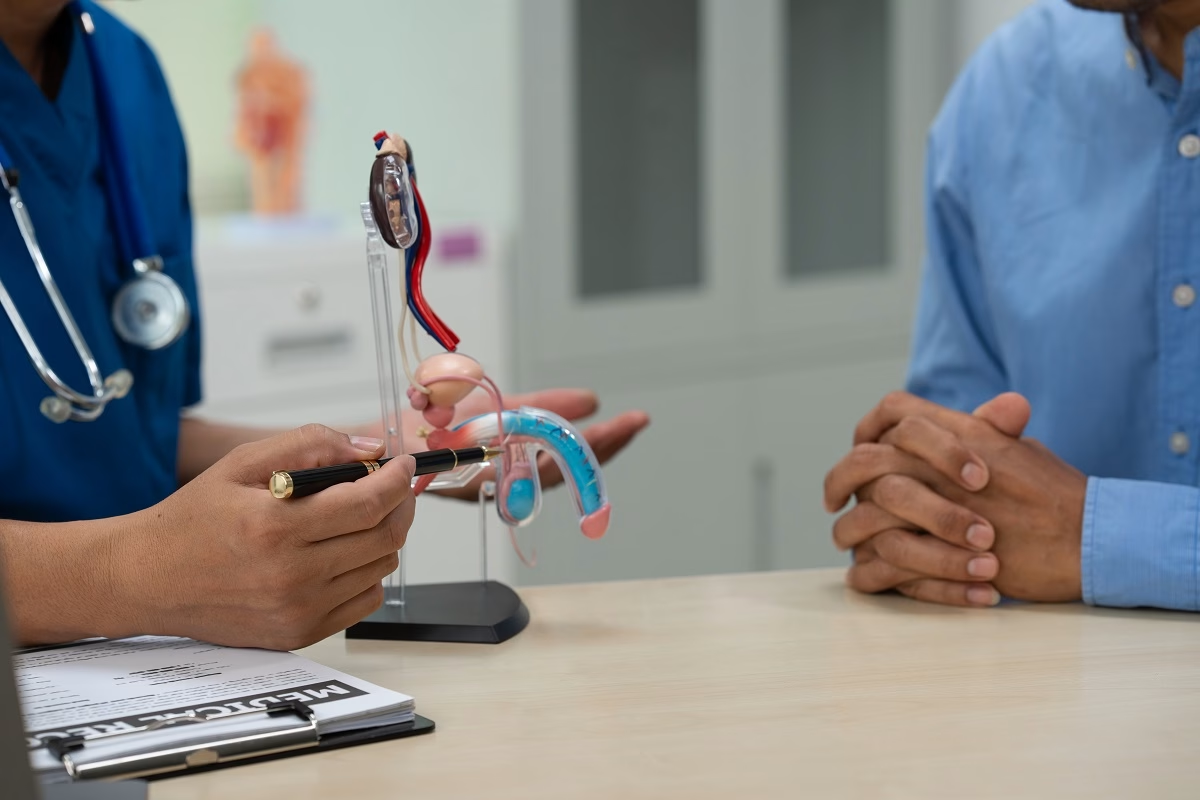
Health conditions that affect the penis are called penile diseases or disorders. The external reproductive male organ through which urine and semen leave the body is called the penis. The conditions that negatively affect the penis include penile fracture, balanitis, priapism, penile cancer, and erectile dysfunction (ED). Usually, doctors recommend different treatments because it depends on which condition you develop.
In other words, the penile is one of the external parts of the urinary and male reproductive systems that consists of 3 parts. For example:
- Root – This part of the penis cannot be seen with the naked eye because it exists between a fibrous membrane in the perineum (the space between the anus and genitals) and connective tissue (also called the superficial perineal pouch). These structures are located in the pelvic area. The tissues from the penis root help a man get an erection that is required for penetration during sexual activity. They are also responsible for muscles that remove urine and semen from the urethra.
- Body (also known as a shaft) – This part of the penis looks like a tube (it hangs from a joint between the hip bones). It also contains erectile tissues, including two chambers that run the length of the top of the penile (corpora cavernosa) and one chamber that runs along the bottom of the penis (corpus spongiosum). During an erection, these chambers are filled with blood.
- Glans penis (head) – This is the tip of the penis, and it contains the end of the urethra through which the urine and semen go out of the body. While most males have a foreskin at birth, this layer of skin that covers the glans can be removed (circumcision).
Changes in the penile tissue during an erection are allowed by the skin of the penis, which is loose and stretchy.
Disorders
Any condition that negatively affects the penis belongs to penile disorders. In general, there are multiple disorders that can affect the penis. Check below some examples:
Priapism
This is a painful penile condition in which the blood cannot drain from the penis after sexual intercourse. While it may last a few minutes, some people may experience it for hours. Furthermore, priapism may affect males even without arousal or any sexual stimulation of the penis. Usually, this condition is considered a medical emergency, and without immediate treatment, it can cause permanent damage to the male reproductive organ.
Penile Fracture
This disorder occurs when you severely bend or hit an erection as you tear the tunica albuginea. It is a strong fibrous connective tissue that covers the corpora cavernosa. Usually, when it tears, you can hear a popping or cracking sound and pain followed by immediate loss of erection. Some people may also notice bruising or blood in the urine. However, this penile disorder is also considered a medical emergency that requires immediate surgery.
Peyronie’s Disease
This is a serious disorder that causes scar tissue (plaques) to form in the erectile tissue. As a result, it may cause the penile to curve, bend, or lose length. While scar tissue often forms after an injury to the erect penis, it may also appear due to other reasons. Moreover, not everyone who develops Peyronie’s disease needs treatment. However, doctors often recommend therapies, medicines, and surgery for people with more severe cases.
Balanitis
This penile disease causes inflammation on the head of the penile. Usually, it affects people with foreskin because the warm and damp area between the glans and foreskin makes an ideal environment for bacteria and yeast. Furthermore, the most common causes of balanitis are bacteria and yeast. This disorder is often treated with antifungal creams or antibiotics. However, you can prevent it by practicing good genital hygiene.
Erectile Dysfunction
This is a serious condition that affects men’s ability to get and maintain an erection hard enough to have sex. Mostly, it affects people over 40 years old, or it may indicate an underlying disorder that negatively affects blood vessels throughout the body. However, it may occur due to other reasons. For example:
- Injuries to the penis or the surrounding area
- Disorders that affect the function of nerves or hormones
- Prescription and nonmedical medicines
- Psychological or emotional disorders
In general, there are multiple treatment options available to treat ED. These include medicines, therapies, and devices.
Ejaculation Disorders
This is a type of sexual dysfunction, and it affects how semen leaves the body. However, doctors have divided this condition into 3 categories. For example:
- Premature ejaculation – In such cases, ejaculation occurs sooner than you or your partner would like, before or shortly after beginning the sexual activity.
- Delayed ejaculation – This type occurs when it takes too much time to ejaculate during sexual intercourse.
- Retrograde ejaculation – It happens when semen goes backward into the bladder during orgasm instead of the urethra.
This form of sexual dysfunction can occur due to many reasons. While some of them are related to emotions (psychological), others may occur due to problems with the nervous system. Fortunately, there are multiple treatments that can help treat this disorder. Healthcare professionals often recommend lifestyle changes, consultation with a sex therapist, or medicines.
Phimosis
This disorder happens when you are unable to pull back the foreskin because it becomes so tight. However, it is normally in babies and young children (physiological phimosis), but it should loosen with age. Adults may develop phimosis due to other health conditions, including sexually transmitted infections (STIs), injuries, and others. It is often treated with corticosteroid creams, surgery, or circumcision.
Paraphimosis
This penile disease occurs when the foreskin pulls back toward the shaft, and you cannot bring it back to its primary position over the head of the penis. In general, this condition is considered a medical emergency, and without immediate treatment, it may lead to permanent damage to the penis. While doctors usually recommend circumcision, they can also make a slit in the foreskin to reduce the pressure and allow you to move the foreskin back into its proper position.
Penile Cancer
This is a rare type of cancer that often begins on the foreskin or the head of the penis. While physicians cannot identify the exact cause of penile cancer, they have identified some factors that could increase your risk of developing it. These include:
- Human papillomavirus (HPV) – In general, there are more than 100 types of HPV, and about 30 of them negatively affect the genitals (including the penis).
- Smoking – Tobacco products can cause damage to the cells that eventually turn into cancerous ones.
- Smegma – Poor hygiene may cause a buildup of smegma. Therefore, it causes inflammation and irritation that also increases the risk of getting cancer.
The most common treatments recommended by doctors to treat this type of cancer are chemotherapy and radiation therapy.
Symptoms
Usually, males with penile disorders experience the following symptoms. These include:
- Changes to the penis skin (such as rash, sores, warts, or bumps)
- Pain
- Swelling
- Skin color discoloration (it may also turn red, white, gray, or purple)
- Problems with urination
- Bleeding on the penis
- Hematuria (blood in the urine)
- Hematospermia (blood in the semen)
- Erection that occurs without arousal or stimulation
- Urinary retention (inability to fully empty the bladder)
- Ejaculation changes
If any of the previous symptoms occur, contact your healthcare professional right away.
How to Prevent Penile Disorders?
Unfortunately, there is no way to prevent all conditions that affect the penis. However, doctors may recommend some tips to reduce the risk. For example:
- Practice safe sex (use condoms or dental dams during sexual activity)
- Regular checkups for STIs, especially if you have multiple sex partners
- Wash your penis thoroughly each day with warm water and soap to prevent inflammation or irritation
- Avoid irritants or allergens that may cause a rash on the skin
- Wear protective equipment during contact sports
- Choose healthy lifestyle habits, including eating healthy foods, regular physical exercise, and maintaining a healthy weight
- Stop smoking (if you have problems with smoking cessation, discuss it with your doctor)
- Administer prescribed medicines exactly as recommended by your doctor
- It is also recommended to avoid injuries during sexual activity by using lubricants, guiding your penis during insertion, and carefully switching positions

Treatment
While mild damage to the penis does not require treatment, permanent damage treatment depends on how severe the injury is. In more serious cases, people need surgery. Check below some treatments often recommended by doctors for people with penile disorders:
- Waiting for disorders that do not cause symptoms
- Oral medicines (such as erectile dysfunction medicines)
- Topical medicines (including gels, creams, or ointments)
- Psychotherapy (also known as talk therapy) with a sex therapist
- Surgery
- Cancer treatments (such as chemotherapy, radiation therapy, immunotherapy, and others)
Frequently Asked Questions
What are the signs of poor penile hygiene?
These include:
- Smegma – This is a thick, white, or yellow cheesy-looking substance that usually accumulates under the foreskin in people with poor penile hygiene. In general, this substance is a combination of oils, dead skin cells, and other body fluids.
- Odors – The penis can smell foully due to body odors, smegma, sweat, bacteria, and infections.
- Skin rash – People with poor penile hygiene may also experience irritation and painful, flaky, scaly, and discolored skin.
- Dint or lint – These are a fuzzy collection of fibers from clothing.
When should I go to the ER?
You should call 911 or go to the nearest emergency room (ER) if any of the following symptoms occur. Examples include:
- Sharp or severe pain in the penile
- You hear a loud cracking or popping sound in the penis without having sexual intercourse or masturbating
- A burning feeling or pain during urination
- Bloody urine
- Discolored or smelly discharge from the penile
- Prolonged erection (if it lasts more than several hours)
What can I expect if I have a penile disorder?
Usually, penile diseases cause a wide range of emotions. In most cases, they are ashamed or embarrassed about the symptoms they experience. In any case, the prognosis of these disorders is good, especially if you visit a doctor right after you have noticed the symptoms. Ask your healthcare provider if you have any other questions.