
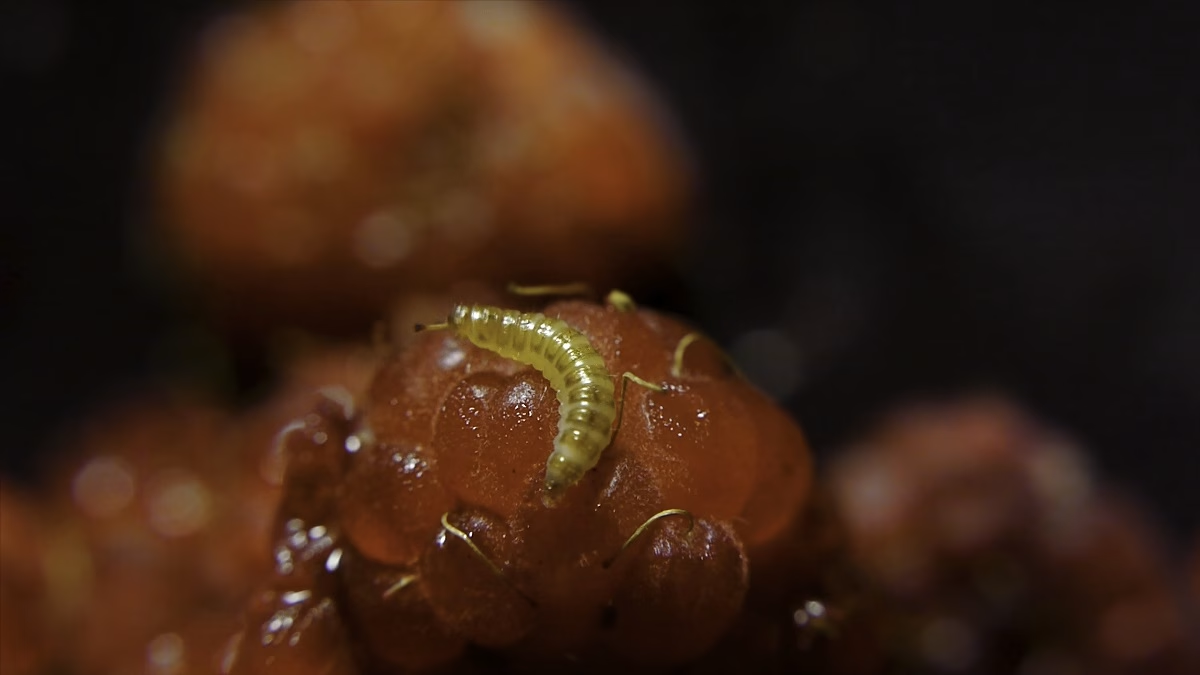
A parasitic infection that lives in contaminated soil and infects you through the skin is called strongyloidiasis. It is caused by a parasitic worm called Strongyloides. Sometimes, this infection can become chronic and last for years. People with weakened immune systems who get this infection may experience serious and even life-threatening complications.
In some cases, the parasite that causes strongyloidiasis is called Strongyloides. It enters the body through the skin and then makes its way to the lungs and intestines, where it becomes mature and begins to reproduce. While some people may develop a chronic form of this infection that often lasts for years, others may have intermittent or no symptoms at all.
Worms that cause this infection exist all over the world, but most commonly are found in warmer climates (tropical and subtropical areas) and rural or economically disadvantaged areas. Commonly, people with strongyloidiasis in the U.S. come from other areas of the world.
How Common is Strongyloidiasis?
According to some data, about 30 to 100 million people are infected with Strongyloides in the whole world. However, a lot of people with this infection do not have any symptoms, which makes it difficult to know the exact number of infected people.
Symptoms
In general, the symptoms caused by strongyloidiasis are very similar to those of other health conditions, and some people may not experience symptoms at all. The only way to determine whether you have strongyloidiasis or not is to perform some tests. Check below for the most common symptoms noticed in people with this parasitic infection:
- Upper abdominal (belly) pain that is very similar to heartburn or an ulcer
- Bloating
- Nausea
- Diarrhea
- Raised, red, and itchy rash (that usually occurs between the butt cheeks, on thighs, or on the wrists)
- Cough
- Scratchy throat
However, in most cases, people have symptoms that come and go or do not have symptoms at all.
Causes
Some types of Strongyloides live in the soil (dirt). Commonly, they live in warm climates and areas where poop can contaminate the soil. These parasites often enter the body through the skin, even if you do not have cuts or breaks in it. Thereafter, they move through the bloodstream to the intestines or lungs, where they reproduce.
Those who have a weakened immune system can develop a more serious form of strongyloidiasis because the body cannot prevent them from causing damage. A severe form of this parasitic infection is often called life-threatening strongyloidiasis or hyperinfection.
Furthermore, this condition is not contagious, but in rare cases, people may get the infection from other people or from transplanted organs.
What Happens if Strongyloidiasis is Left Untreated?
If you ignore the symptoms or do not get treatment for this infection, it may lead to some complications. Check below some examples:
- Gastrointestinal problems, including malabsorption, intestinal obstruction, massive bleeding, or perforation (in severe cases).
- Lung problems – These include dyspnea (shortness of breath), eosinophilic pneumonia, and even acute respiratory distress syndrome (ARDS).
- Skin issues – For example, urticaria, larva currens, and others.
- Neurologic disorders – In some cases, larvae can reach the central nervous system and cause meningitis or brain abscesses.
- Bacterial infections – Parasites can cause damage to the intestinal wall, which allows the bacteria from the gut to enter the bloodstream. Therefore, it may lead to bacteremia or sepsis.
This article does not contain all possible complications that can be caused by strongyloidiasis. Moreover, you can consult with your healthcare professional about ways to reduce the risk or prevent previous complications.
How to Prevent Strongyloidiasis?
There are some tips that may help reduce the risk of getting the parasite that causes strongyloidiasis. For example:
- Wear protective clothing, especially when you are around soil in areas where strongyloidiasis is common
- Be cautious in areas with inadequate sanitation
- Avoid areas where strongyloidiasis is common if you begin a treatment that weakens the immune system. Otherwise, it may lead to hyperinfection (a life-threatening form of strongyloidiasis).
Diagnosis
First, doctors will perform a physical examination to check for abnormalities linked with the disease. Thereafter, they may ask some questions about the symptoms and medical history. However, to confirm the condition, doctors may perform some tests. For example:
- Blood tests
- Stool tests
- They may also take some sputum (mucus coughed up from the lungs) for testing

Treatment
Usually, healthcare professionals prescribe antiparasitic medicines to treat strongyloidiasis. In most cases, they recommend Ivermectin and sometimes Albendazole. You should take these medications for 1-2 weeks to clear the infection. People who take immunosuppressants should reduce the dose while using antiparasitic medications. In addition, it is very important to treat this parasitic infection even if you do not have symptoms to decrease the risk of developing hyperinfection.
Frequently Asked Questions
Can strongyloidiasis be cured?
Yes, most people are successfully treated with antiparasitic medications. However, hyperinfection usually causes life-threatening complications that are more difficult to treat.
When should I go to the ER?
If you experience any of the following symptoms, immediately call 911 or go to the nearest emergency room (ER). For example:
- High fever, above 103 degrees F or 39.4 degrees C
- Hypotension (low blood pressure)
- Confusion
- Chest pain
- Reduced urination
- Difficulty breathing
What is Strongyloides hyperinfection?
In general, most people have strong immune systems to keep the parasite that causes strongyloidiasis from causing serious damage. However, if your immune system is weakened, these worms can cause significant damage to multiple parts of the body. As a result, you may develop life-threatening conditions, including pneumonia, sepsis, and others. The risk of developing hyperinfection increases in the following cases. For example:
- You are on corticosteroid therapy
- Have an HTLV-1 infection
- Has an organ or stem cell transplant
- Have disorders that negatively affect the blood or bone marrow (such as leukemia, lymphoma, and others)
What is autoinfection?
The worms that cause strongyloidiasis can complete their life cycle inside the body. It means they can reinfect you multiple times without coming in contact with contaminated soil (autoinfection). In such cases, people often develop chronic strongyloidiasis that may last for years if it is not treated. Ask your healthcare provider if you have additional questions.