
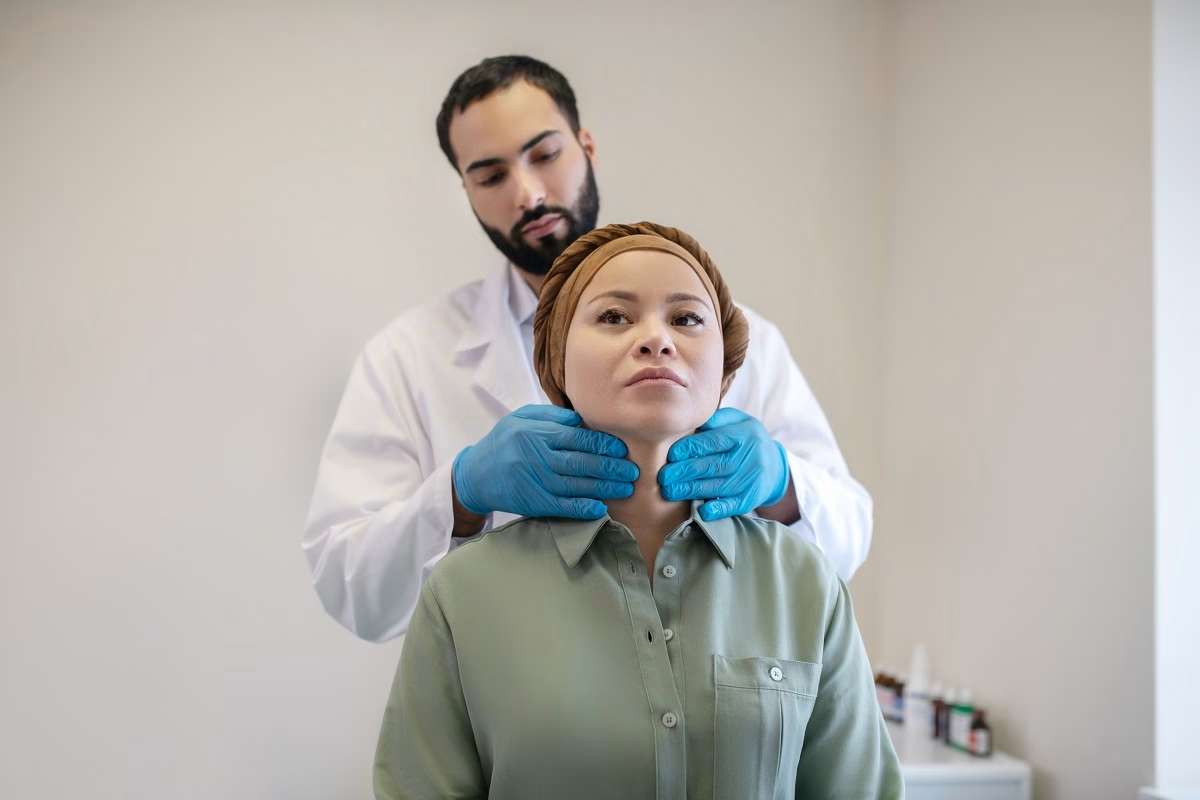
A health condition that causes benign (noncancerous) growths of white blood cells (histiocytes) is called Rosai-Dorfman disease (RDD). This condition occurs quite rarely and often causes lymph nodes in the neck to become swollen. However, it may also affect the skin and other organs.
In general, histiocytes are an important part of the immune system that help fight germs that can make you sick. If these cells become too much (such as in people with RDD), you may experience unpleasant symptoms or other health problems. Sometimes, this condition is called sinus histiocytosis with massive lymphadenopathy, which is a rare type of non-Langerhans cell histiocytosis.
Types of Rosai-Dorfman Disease
Healthcare providers have divided this condition into 2 categories based on the following differences. Usually, this condition looks and behaves differently among people because it may affect either one or multiple groups of lymph nodes.
- Classic (nodal) Rosai-Dorfman disease – This is the most common type of this disorder, and it causes lymph nodes to swell, especially those located in the neck. People with this type often experience different symptoms because it depends on how many lymph nodes are affected by excess histiocytes.
- Extranodal Rosai-Dorfman disease – This type often affects the skin. It is also known as cutaneous RDD (CRDD). Furthermore, other types of RDD may also involve overgrowths in the sinuses, eyes, eyelids, bones, and central nervous system (including the brain and spinal cord). In some cases, RDD can impact other body systems, such as the respiratory and gastrointestinal systems.
Approximately 40% of all diagnosed RDD cases have excess histiocytes in extranodal sites in addition to the lymph nodes.
In addition, this disorder occurs rarely and affects about 1 in every 200,000 people. In the United States, there are about 100 new cases each year.
Symptoms
People with RDD usually experience different symptoms because it depends on several factors. These include where the excess histiocytes overgrow in the body, the type of disorder, and age. Moreover, the symptoms can be severe if histiocytes prevent an organ from functioning properly.
Classical (nodal) RDD Symptoms
While the primary symptom of this type of RDD is swollen lumps on both sides of the neck, people with this disorder may also experience other symptoms. Generally, swollen lymph nodes may also affect the groin, armpits, and mediastinum (the center of the chest). Check below for other symptoms of classical RDD:
- Fatigue (extreme tiredness)
- Pale skin
- Night sweats
- Runny nose
- Unusual weight loss
- Fever
Extranodal RDD Symptoms
In such cases, the condition mostly affects the skin and may appear anywhere on the body. In such cases, histiocytes form growths that often grow slowly. Usually, the skin growths that appear may have different forms and colors. For example:
- Flat or raised
- Pus-filled or solid
- Purple, red, yellow, or brown
Sometimes, these growths can spread over the skin or be isolated to one area. If RDD negatively affects the eyes, you may experience double vision, seizures if it impacts the central nervous system, and a persistent cough and other respiratory symptoms if it affects the lungs. For more details, discuss it with your doctor.
Causes
Experts do not fully understand what exactly causes RDD. However, it affects people differently, which may indicate it has multiple causes. For instance, some recent studies have shown that CRDD has different causes compared to classic RDD. They have also discovered some gene mutations (changes) present in people with classic and extranodal RDD that are different from those found in people with CRDD.
However, a lot of people who develop RDD also have other health conditions. Moreover, there may be a connection between them, but more research is needed. Check below some health conditions that are often associated with RDD:
- Viral infections (such as herpes, Epstein-Barr, cytomegalovirus, HIV, and others)
- Cancer (including Hodgkin and non-Hodgkin lymphoma, cutaneous clear-cell carcinoma, and others)
- Autoimmune disorders (such as juvenile idiopathic arthritis, lupus, autoimmune hemolytic anemia, and others)
What Are The Possible Complications of Rosai-Dorfman Disease?
People with RDD may also experience some complications, especially if they do not get treatment. Check below some of them:
- Life-threatening infections
- Organ damage
- Anemia
- Bleeding
- Damage to the central nervous system (CNS), including the brain and spinal cord
- Respiratory failure
- Inflammation
- Malaise
- Psychological impact
This article does not contain all possible complications of RDD. However, you can consult with your healthcare professional about ways to reduce the risk or prevent previous complications.
Diagnosis
Usually, the diagnosis begins with a physical examination to check for abnormalities linked to the disease. Thereafter, physicians may ask some questions about your symptoms and medical history to see whether you have had disorders that are associated with RDD. However, to get more clues about the condition, they may also perform some tests. For example:
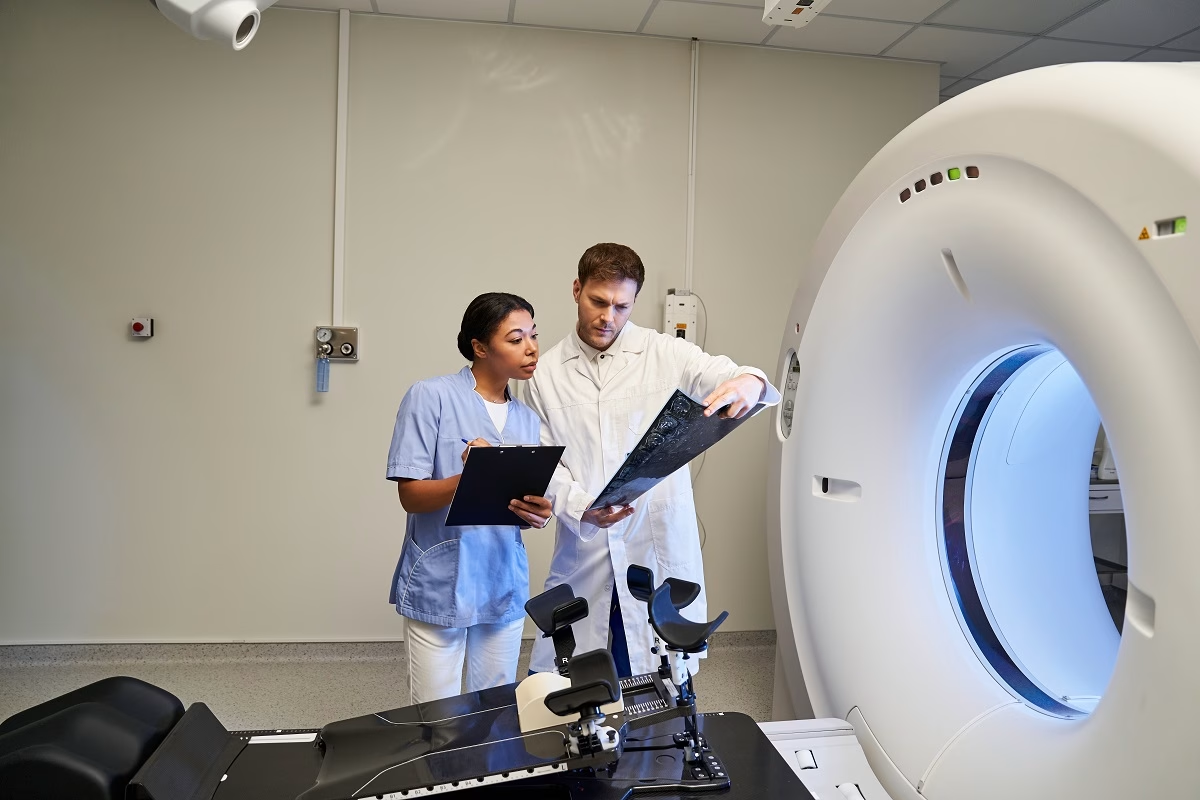
- Imaging tests – Doctors often perform this test when they suspect excess histiocytes. Usually, they perform X-rays, ultrasound, MRI (magnetic resonance imaging), CT (computed tomography), or PET (positron emission tomography) scans.
- Blood tests – Commonly, doctors perform a complete blood panel (CBC) and a comprehensive metabolic panel.
- Biopsy – During this test, doctors will take a small sample of affected tissue for testing. This test often helps exclude other disorders that may cause similar symptoms to RDD.
Treatment
While sometimes this condition goes away without treatment (also known as spontaneous remission), some people may need treatment for months or even years. However, doctors usually prescribe different treatments for people with RDD. Check below some of them:
- Surgery – This treatment is used to remove growths, and it is usually recommended when they block the airways or cause damage to the spinal cord.
- Radiation therapy – This therapy uses powerful energy beams to destroy abnormal cells. This energy often comes from X-rays or protons, but it may also come from other sources.
- Chemotherapy – It involves strong medications that are used to kill abnormal cells throughout the body. Commonly, doctors prescribe it for people with RDD when they develop a severe form of the condition or symptoms do not improve with other treatments.
- Corticosteroids – This group of medications is primarily used to reduce inflammation in the body. They may also help ease the symptoms and reduce swelling. Doctors usually prescribe Prednisone.
- Immunotherapy – This option involves specific medicines that boost the immune system to find and destroy excess histiocytes.
Frequently Asked Questions
Who does Rosa-Dorfman disease affect?
In most cases, this condition affects children and young adults. It often occurs at about 20 years old, but it may also impact people in their 70s. Some data showed that people of African descent who are male are more likely to develop RDD compared to other people.
Who discovered Rosai-Dorfman disease?
The first symptoms of RDD were discovered by Pierre Paul Louis Lucien Destombes in 1965. Thereafter, Juan Rosai and Ronald Dorfman studied additional patients with similar symptoms in 1969. While this disorder is commonly known as Rosai-Dorfman disease, it may also be called Rosai-Dorfman-Destombes disease.
Is Rosai-Dorfman disease malignant?
This is a benign (noncancerous) condition that does not spread to other parts of the body compared to malignancies (cancer). However, these abnormal growths can still impact other structures and organs in the body, causing symptoms and complications. If you think you have symptoms of RDD, do not hesitate to seek medical help. Ask your healthcare provider if you have additional questions.