
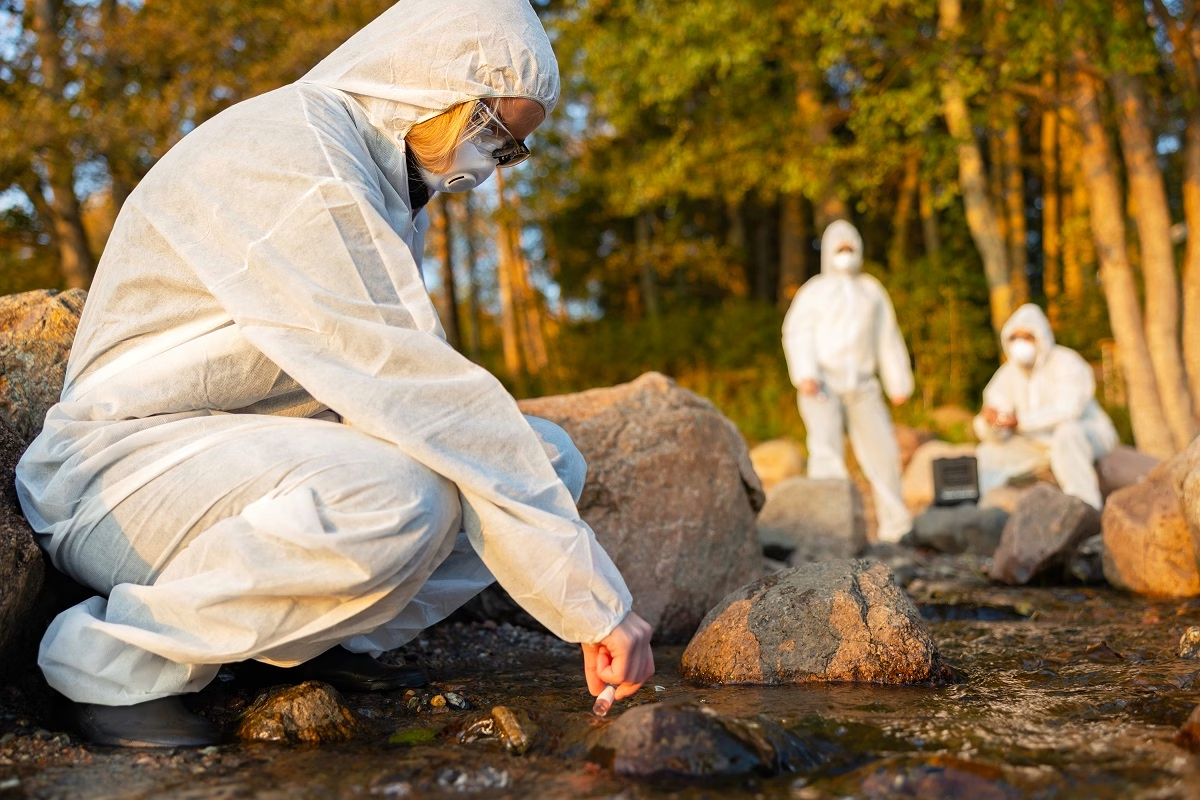
A toxic protein that comes from castor plant seeds is called ricin. When people eat these seeds, it may lead to a rare condition called ricin poisoning. Furthermore, ricin can be used for criminal purposes, but it is not common either. In general, this condition is very treatable, and most people survive.
Symptoms
People with ricin poisoning may experience different symptoms because it depends on how the toxin enters the body. While most people experience symptoms within 12 hours after exposure, in some cases, the symptoms may occur after a few days.
This toxin can enter the body in three ways. For example, ingestion (eating or drinking), inhalation (breathing), and injection. When ricin does not enter the body, it may cause mild irritation. Generally, ricin does not absorb through the skin well. That’s why this type of exposure is not considered dangerous. In most cases, it is absorbed through mucous membranes, including the lining of the nose and mouth.
Ingestion Symptoms
However, the castor seeds have a shell that allows them to pass through the digestive system intact, but if you are chewing them, you break the coat, which significantly increases the risk of ricin poisoning. Usually, the symptoms start within 6 hours after ingesting them. Check below some symptoms:
- Diarrhea
- Dizziness
- Passing out (often caused by low blood pressure)
- Blood in the vomit or poop
- Nausea
- Vomiting
Inhalation Symptoms
If you inhale ricin, the symptoms may occur about 4 to 8 hours later. For example:
- Cough
- Fever
- Chest pain
- Sore throat
- Dyspnea (shortness of breath)
- Wheezing
- Joint pain (arthralgia)
- Nausea
Injection Symptoms
This type of exposure usually does not cause symptoms right away. They often occur after 12 hours. Check below some of them:
- Headaches
- Fever
- Nausea
- Redness
- Swelling
- Loss of appetite
- Blisters
- Necrosis (tissue death around the injection site)
If any of the previous symptoms occur, immediately visit a healthcare professional.
Causes
While the main causes of ricin poisoning are ingesting ricin or exposure to processed ricin, both of them occur quite rarely. However, it is not difficult to find castor seeds, especially because of castor plant farming around the world. The oil from these seeds has many uses, especially industrial ones. These seeds also grow in the wild on every continent except Antarctica. Moreover, these seeds are often used ornamentally in the United States. That’s how children can accidentally ingest the seeds. In addition, there are some reports of people who chew these seeds to attempt suicide.
Other primary ways for ricin poisoning to happen are criminal use. For instance, the use of ricin to poison someone individually. While the U.S. Centers for Disease Control and Prevention (CDC) lists ricin as a potential bioweapon, they also note that it is moderately easy to spread and its deadliness potential is low.
What Happens if Ricin Poisoning is Left Untreated?
Usually, the most serious complications do not occur right away. One of the primary complications of ingesting ricin is organ failure. It often affects the kidneys, liver, or spleen. Check below some complications that may occur if you inhale ricin:
- Coughing up blood
- Pulmonary edema (fluid buildup in the lungs)
- Respiratory failure
However, people with injected ricin may experience multiple organ failure and hemorrhage (bleeding) in the brain, heart, lungs, and intestines. It is important to note that it does not matter how ricin enters the body. Death may occur if the dose you get is high or if you do not receive proper medical care.
How to Prevent Ricin Poisoning?
The only sure way to prevent this condition is not to ingest the seeds. It is also recommended to remove any castor plants if you have children or pets. Do not let your children play around castor plants without supervision.
Furthermore, research is ongoing to find a vaccine against ricin. In general, ricin is a protein that the body’s immune system can learn to defend against.
Diagnosis
Usually, doctors diagnose this condition by performing several tests. They may also ask some questions about the symptoms, medical history, and how your exposure happened. In most cases, they perform blood and urine tests to check for ricin.
Treatment
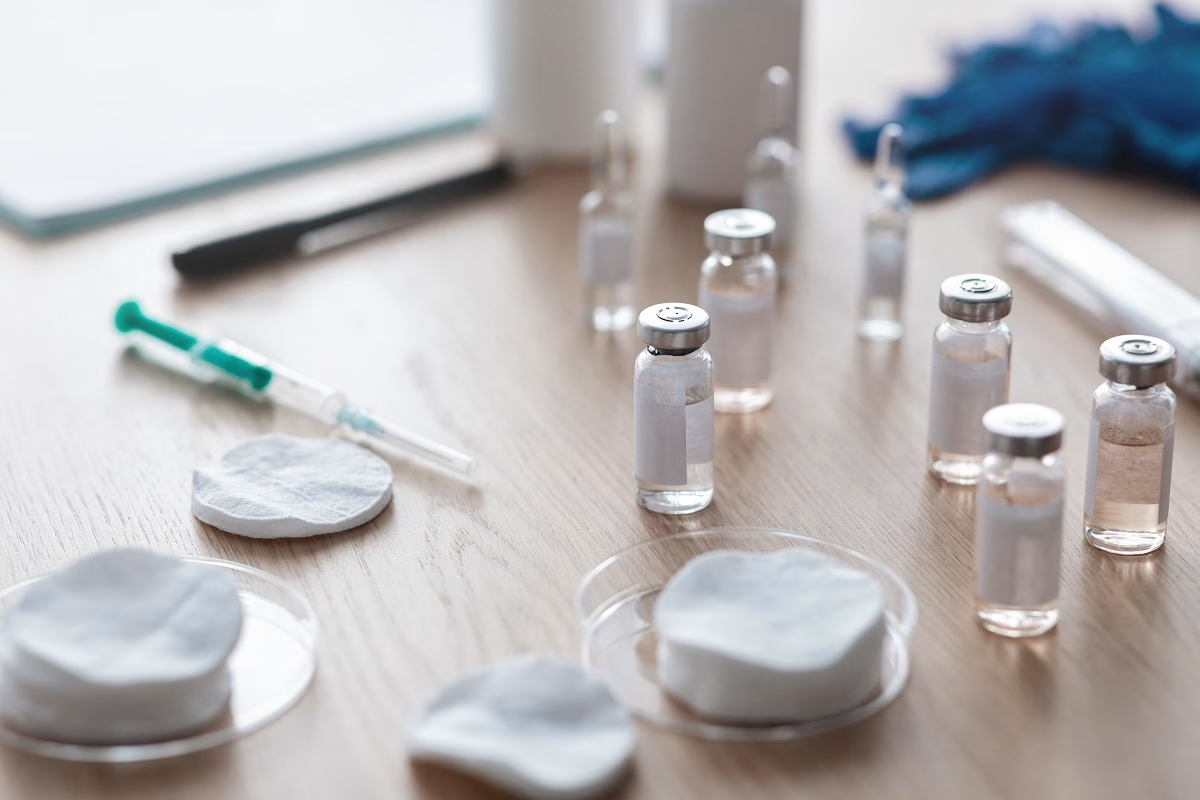
Commonly, all treatments recommended by doctors are supportive. They often include:
- A ventilator to keep breathing
- Intravenous (IV) fluids
- Medicines to manage arrhythmia and blood pressure
- Activated charcoal or stomach pumping (gastric lavage)
- Plasma exchange to replace plasma that contains ricin proteins
People who are diagnosed with ricin poisoning should stay in the hospital for a few days. It is done to make sure they do not develop severe symptoms or life-threatening complications.
Frequently Asked Questions
Is there a cure for ricin poisoning?
While there are multiple options to treat this condition, it cannot be cured. Most people who get treatment survive.
How many people have died from ricin?
Nowadays, about 6 deaths out of 50 ricin intoxications have occurred since 1980. The most common causes of ricin poisoning include accidents (including curiosity, self-medication, and confusion with other seeds).
What organs does ricin affect?
In most cases, this protein negatively affects the liver, spleen, and kidneys, which may stop working, which often leads to death. It occurs if the affected person does not get proper medical care. Ask your healthcare provider if you have any other questions.