
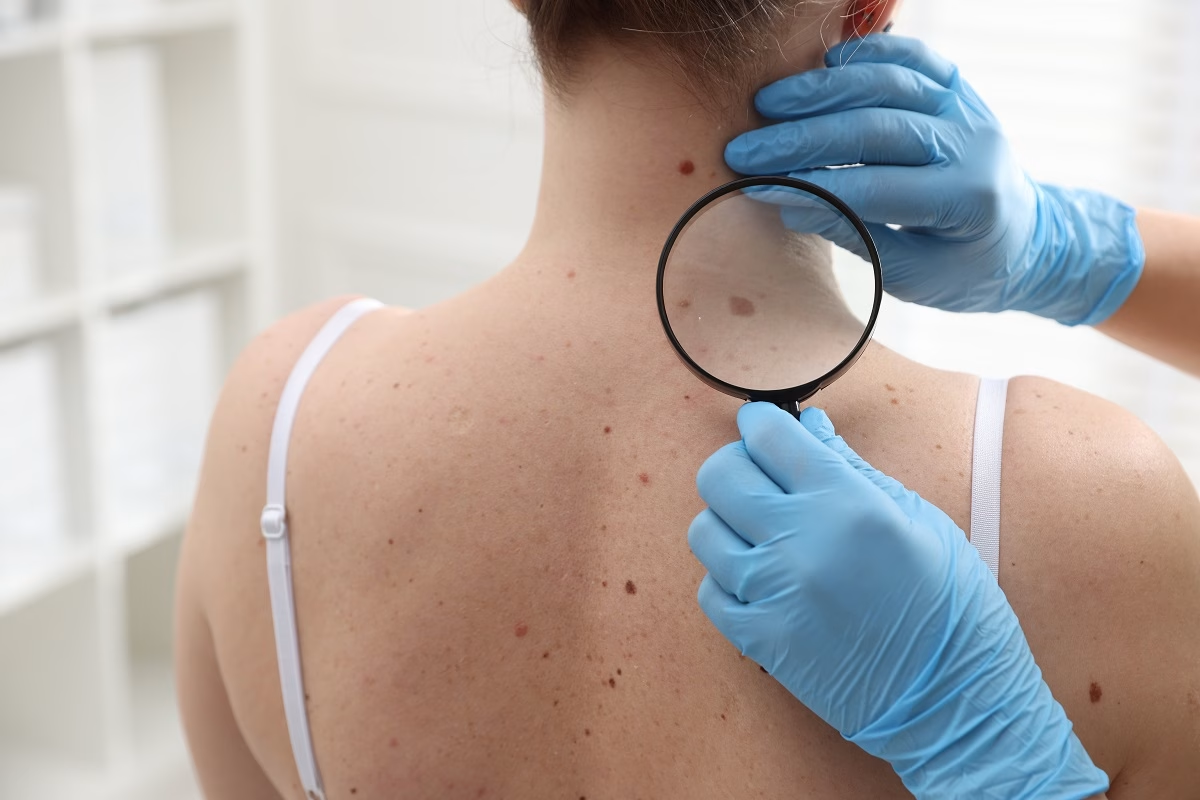
A noncancerous (benign) tumor that appears on the skin or mucous membranes, and is often associated with pregnancy, medicines, or injuries to the skin, is called a pyogenic granuloma. They are made of abnormal blood vessels that may break and bleed easily. Usually, doctors treat this condition with medicines and procedures. However, some people may develop them again even after a successful treatment.
In general, the name pyogenic granuloma is actually inaccurate. The pyogenic word means pus-producing, and a granuloma is a cluster of white blood cells that often react to an infection, causing a lump. However, this condition is rarely related to an infection and usually does not contain white blood cells or pus. More accurately, it would be if it were called lobular capillary hemangioma (a tumor made of abnormal blood vessels).
This condition occurs commonly, especially during pregnancy. Healthcare providers do not know the exact number of affected people because most cases are not reported.
Symptoms
The primary symptom of this condition is a benign tumor that appears on the skin or mucous membranes. Usually, it grows quickly (from several millimeters to about a half-inch). Usually, these tumors are described as looking similar to ground beef that can be pink, red, reddish-brown, or purple. Sometimes, people develop a scaly and white “collar” around the bottom.
When these growths develop, they are often attached to the skin by a stalk-like structure, but in some cases, they can attach directly to the skin. Moreover, this condition may also cause bleeding, pain, and discomfort (especially when they grow).
In addition, this is not a contagious condition. It means that it cannot spread from one person to another. While some people may develop only one pyogenic granuloma, sometimes, they may develop multiple at once.
Where Do Pyogenic Granulomas Occur?
Most of the time, these pyogenic granulomas appear on the skin or mucous membranes. The thin linings of cavities and canals that leave the body are called mucous membranes. These include the lining of the nose, mouth, and other parts of the body. However, most pyogenic granulomas appear on the following parts of the body. For example:
- Face
- Fingers and toes
- Mouth (gums), lips, tongue, or nose
Causes
While doctors do not fully understand why this condition occurs, it usually appears along with the following conditions and changes. For example:
- Hormonal changes (such as pregnancy or the use of birth control pills)
- Infection caused by a bacterium known as Staphylococcus aureus (staph infection)
- Minor irritation or injury to the skin or mucous membranes (including poor oral hygiene or piercings)
In addition, pyogenic granulomas are also linked with certain types of medicines. Check some examples below:
- Antineoplastics (a group of medicines used to treat cancer)
- Antiretrovirals (usually are prescribed by doctors for people with HIV infection)
- Immunosuppressants
- Retinoids (these are vitamin A compounds used to improve or heal skin)
Risk Factors
While it is not possible to determine the exact cause of a pyogenic granuloma, doctors have identified some factors that may increase your risk of developing it. Examples include:
- Age – This condition can affect people of all ages, but is mostly diagnosed in children around 6 years old, teens, and young adults.
- Pregnancy – This condition in pregnant women is also known as granuloma gravidarum, granuloma of pregnancy, or epulis gravidarum.
- Oral contraceptive pills
- Certain medicines (including retinoids)
- Viral infections
- Inflammatory systemic diseases
- Capillary malformations
- Health conditions that suppress the immune system
What Are The Potential Complications of Pyogenic Granuloma?
People with this condition may also experience some complications, especially if they do not treat it. Check some examples below:
- Bleeding
- Ulceration
- Anemia (low red blood cell count)
- Recurrent pyogenic granuloma
- Satellite lesions
- Scarring
- Bone loss
- Secondary infection
The previous list does not contain all possible complications, but you can consult with your doctor about ways to reduce the risk of developing them.
How to Prevent Pyogenic Granuloma?
Experts do not fully understand what exactly causes this condition, but they may recommend some tips that can reduce the risk. For example:
- Avoid injuries to the skin (such as piercing)
- Do not take medicines associated with this condition without your doctor’s approval
- Practice good oral hygiene
- Wash and bandage any cuts, scrapes, or burns to prevent infections
Diagnosis
During the pyogenic granuloma diagnosis, doctors will perform a physical examination to check for abnormalities linked to the disease, inquire whether you are pregnant, review all medicines you are administering, and ask questions about injury or irritation to the affected area. In most cases, doctors diagnose this condition based on the information alone. When it is not clear, they may perform a biopsy to confirm or rule out a pyogenic granuloma. During this test, they will remove a small sample of the affected tissue for testing.

Treatment
The only way to cure this condition is to remove the lesion and eliminate any suspected triggers (including medicines, piercings, or dental problems). If you develop a pyogenic granuloma during pregnancy, it should disappear after delivery. Check below some treatments often recommended by doctors for people with pyogenic granulomas:
- Eye drops (such as Timolol)
- Imiquimod skin cream
- Steroid injections (these are injected directly into the lesion)
- Chemicals, including Silver nitrate, Phenol, and Trichloroacetic acid (TCA)
- Cryotherapy
- Curettage
- Laser treatment
- Surgery
Frequently Asked Questions
Can you get a pyogenic granuloma multiple times?
Yes, there is approximately a 40% chance of getting this condition even after a successful treatment.
Is a pyogenic granuloma a tumor?
Yes, this is a noncancerous (benign) tumor made of abnormal blood vessels.
How do I take care of a pyogenic granuloma?
In general, if you notice something that resembles a pyogenic granuloma, you should see a doctor right away. However, if you ignore it, you should keep it covered with a bandage to prevent bleeding and infection. If you notice the following symptoms, contact your healthcare professional immediately. For example:
- Red or brown streaks on the skin
- Swelling near the lesion
- Moderate to severe pain or tenderness on or near the tumor
- Pus draining from the affected area
If you have any other questions, ask your healthcare professional.